Walking Water Experiment: An Incredible Ultimate Guide for Kids
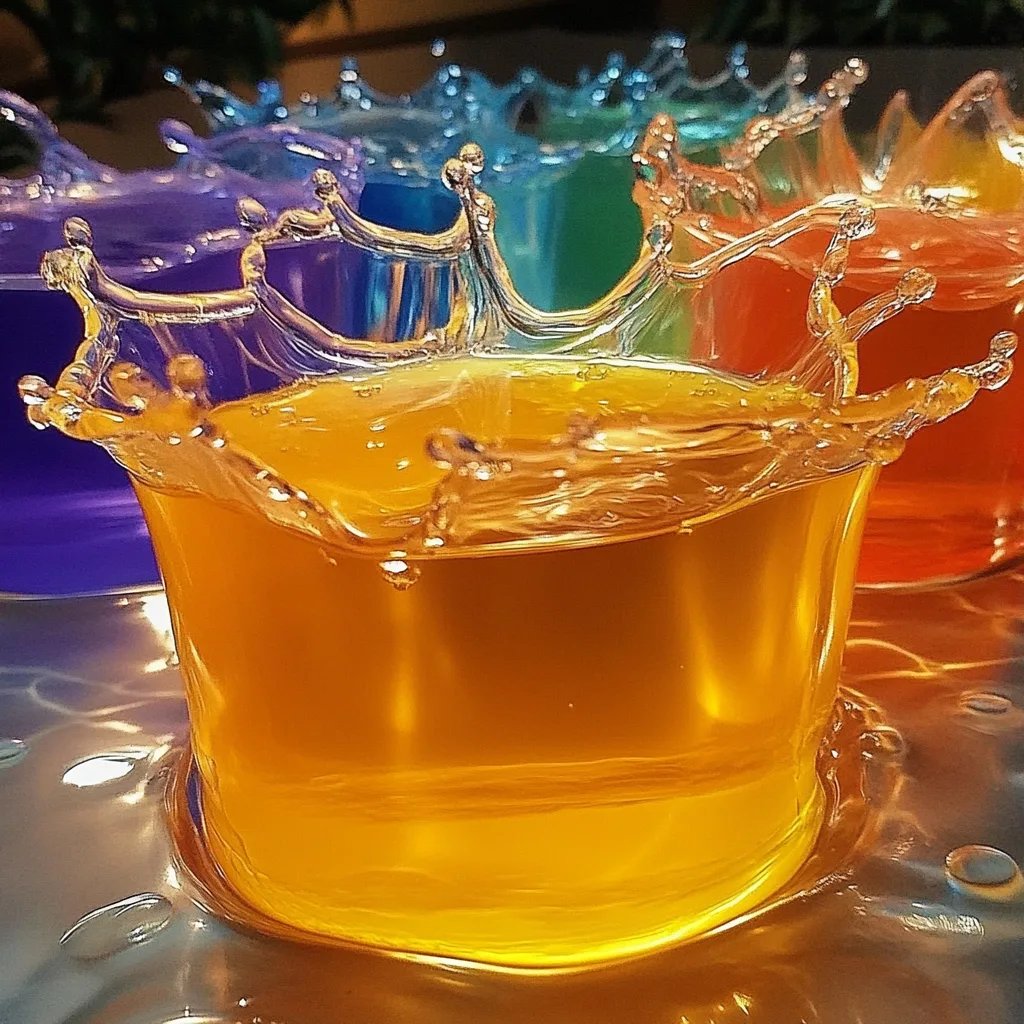
Walking Water Experiment is an amazing science activity that captures the curiosity of children and adults alike. This colorful and engaging experiment demonstrates capillary action—the way water moves through a material. Watching the water "walk" across the table grabs the attention of everyone involved and showcases basic scientific principles in a visually appealing and interactive way.
The beauty of the Walking Water Experiment lies not only in its simplicity but also in how it can inspire creativity and inquiry. Children can witness firsthand how colors mix, travel, and create patterns. This experiment encourages them to ask questions about the science behind what they see, making it an educational tool as well as a fun activity. Whether done at home or in a classroom, this incredible experiment sparks joy and learning in equal measure.
In this guide, you will learn everything you need to know about the Walking Water Experiment, from why it’s so enjoyable to detailed preparation steps, and how to carry out the experiment. Whether you're hosting a science themed birthday party or looking for an educational afternoon activity, you’ll find this guide invaluable!
Why You'll Love This Experiment
The Walking Water Experiment is a fantastic way to combine learning with fun. Here are several reasons why you and your kids will adore this activity:
- Visual Appeal: The vibrant colors create an eye-catching display that captivates everyone watching.
- Hands-On Learning: It's an interactive experience where kids can physically see the concepts of absorption and capillary action in action.
- Simple and Safe: With easy-to-find materials and no hazardous substances, this experiment can be performed safely at home.
- Minimal Cleanup: The materials used are common household items that are easy to clean up afterward, allowing for a worry-free experience.
- Encourages Inquiry: Children will naturally begin to ask questions about why and how things are happening, fostering their scientific thinking skills.
- Customizable: You can modify the experiment by using different colors, containers, or water amounts to change the outcome and explore various scientific principles.
These factors combine to make the Walking Water Experiment not just a demonstration of science, but an enriching experience that promotes curiosity and creativity. The excitement of discovery is guaranteed!
Preparation and Cooking Time
The total time to prepare and conduct the Walking Water Experiment is approximately 30 minutes. Here’s a breakdown of the time involved:
- Preparation Time: 10 minutes
- Experiment Duration: 20 minutes (observation and discussion)
This timeline is manageable for both parents and teachers, making it an excellent option for a quick yet engaging project.
Ingredients
Here is a simple list of materials needed for the Walking Water Experiment:
- 3 clear cups or containers
- Water
- Food coloring (at least 2 colors)
- Paper towels
- A tray or absorbent surface (to catch any spills)
Step-by-Step Instructions
Executing the Walking Water Experiment is straightforward when you follow these steps:
- Prepare the Cups: Place three clear cups in a row on the tray or absorbent surface.
- Fill with Water: Fill the first and third cups with water until they are about two-thirds full.
- Add Food Coloring: In the first cup, add several drops of one color of food coloring. In the third cup, add several drops of a different color. Leave the middle cup empty.
- Prepare Paper Towels: Take two paper towels and fold them lengthwise. You’ll need two strips—one for each colored cup.
- Create the Bridge: Place one end of a paper towel strip in the colored water of the first cup and the other end in the empty middle cup. Repeat this for the second cup with the different color.
- Observe the Action: Watch as the colored water travels up the paper towels and into the middle cup. Continue observing for about 15-20 minutes to see the effect.
This simple process leads to a wonderful visual representation of how water moves through absorbing materials, showcasing the principles of capillary action.
How to Serve
The Walking Water Experiment is best experienced in a way that maximizes engagement and interaction. Here are some tips for serving this activity:
- Engage Everyone: Invite children to comment on what they see during the process. This will foster discussion about the science behind the experiment.
- Interactive Questions: Ask open-ended questions, such as, "What do you think will happen if we tried a different color?" or "How does the water move through the paper towel?"
- Change Variables: After the initial experiment, encourage kids to modify aspects. Use different colors, or paper towel lengths, or try different reactions in varying containers.
- Document the Results: Encourage children to take notes or draw pictures of their findings and any changes that occur. This reinforces learning and provides a way to review what they observed.
- Celebrate Success: After the experiment, provide snacks or a fun activity related to water or science. This solidifies the experience as both educational and entertaining.
By making the Walking Water Experiment a fully interactive and engaging session, you ensure that participants not only learn but also enjoy the experience, fostering a love for science and discovery!
Additional Tips
- Experiment with Colors: Use a variety of food coloring to create unique patterns and designs. Mixing colors can lead to unexpected and beautiful results.
- Use Different Materials: Although paper towels are standard, try using coffee filters or fabric strips to see how they change absorption rates.
- Timing Matters: Patience is key! Some variations may take longer for the water to travel, so encourage kids to revisit the experiment after some time to see the final results.
- Discuss Results: After the experiment, have a discussion to analyze why some colors moved faster or slower than others. This reflection reinforces learning.
Recipe Variation
Feel free to experiment with this science project! Here are several variations you can try:
- Different Temperatures: Utilize warm and cold water in each cup to see how temperature affects capillary action.
- Incorporate Glitter: Add a small amount of non-toxic glitter to the water for a sparkly effect, making it even more visually appealing for kids.
- Rainbow Version: Use several cups lined up and mix different colors to create a spectrum effect, allowing kids to observe the blending of hues.
- Use Different Sized Containers: Changing the size and shape of the cups can show how these factors influence water movement.
Freezing and Storage
- Storage: This experiment doesn’t require storage, as it’s meant to be consumed or observed during the process. However, if you want to keep leftover supplies organized, store food coloring and any unused paper towels in a dry area.
- Expiration of Materials: When keeping materials for future experiments, ensure you check the expiration of food coloring and replace any that may have dried out.
Special Equipment
You will need a few essential items to successfully conduct the Walking Water Experiment:
- Clear Cups: Transparent containers allow for clear observation of the water movement.
- Paper Towels: For demonstrating capillary action through absorption.
- Tray or Absorbent Surface: This catches any spills and provides a neat workspace.
- Food Coloring: Essential for creating colorful water effects which are the primary focus of this experiment.
Frequently Asked Questions
What happens if I don’t use enough paper towels?
Using less material will slow down or prevent water from making the journey to the middle cup. Adequate coverage is vital for capillary action.
Can I substitute the paper towels with something else?
Absolutely! Coffee filters or fabric strips can also work well and provide different results based on their absorption capabilities.
How can I make this activity more educational?
Incorporate a discussion on plant biology and explain how capillary action is similar to how water travels in plants. This can help children relate the experiment to real-life applications.
Is there a way to document the results?
Yes! Encourage kids to take photos or draw diagrams of their observations. This helps reinforce learning through visual documentation.
Can older kids do this experiment independently?
Yes, with minimal supervision, older children can set up the experiment and record their results. It fosters independent learning and scientific exploration.
Conclusion
The Walking Water Experiment is an engaging and visually captivating science activity that teaches fundamental concepts like capillary action. It promotes curiosity, creativity, and scientific inquiry in a fun and interactive way. Perfect for classrooms or at-home learning, children will not only observe but also experiment with colors and materials, sparking their love for science. This colorful journey illustrates how science can be both educational and enchanting!