Unlocking the Universe: How to Create Your Very Own Space Sensory Bin
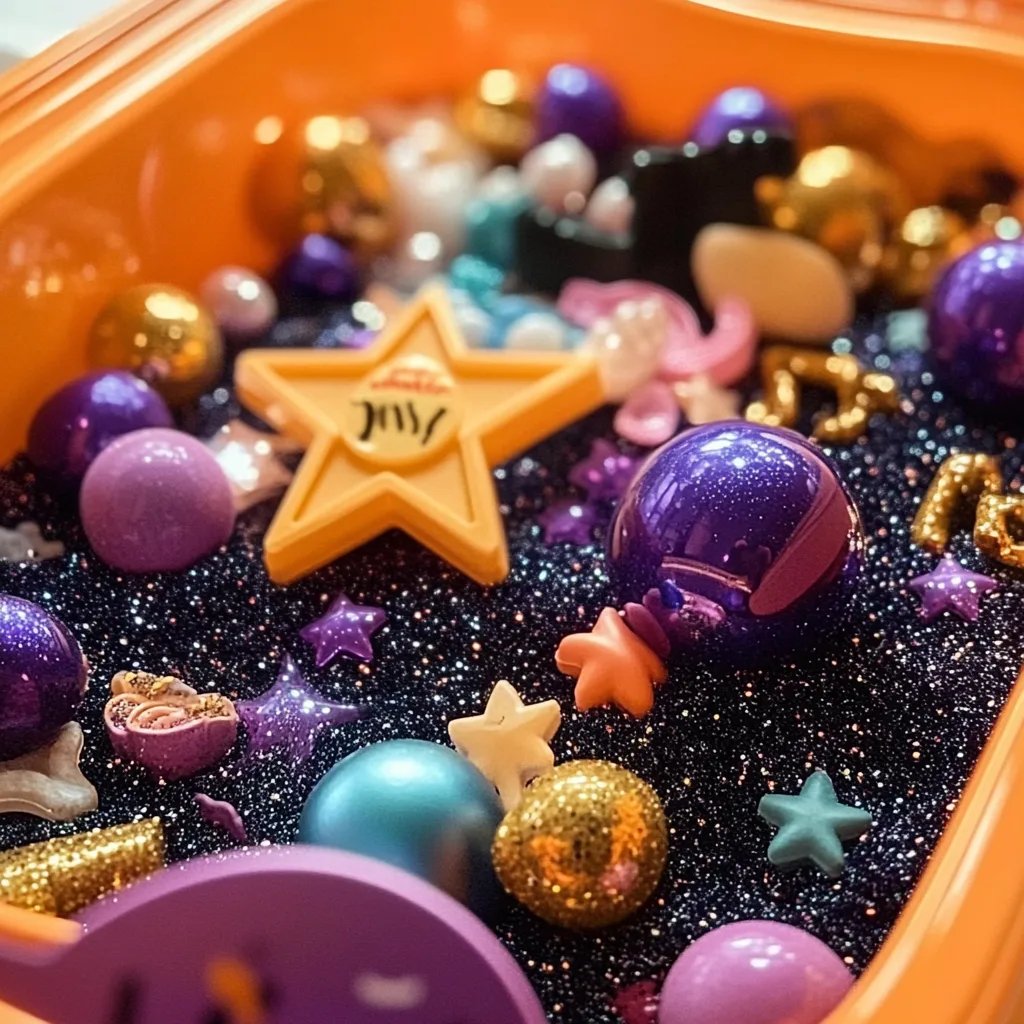
As an experienced crafter and an avid lover of early childhood education, I’m excited to share a project that not only sparks imagination but also provides a unique sensory experience—creating your very own Space Sensory Bin. This imaginative exploration of the cosmos has gained popularity among parents, educators, and sensory play advocates for good reason. It captivates children while enhancing their fine motor skills, fostering creativity, and encouraging imaginative play.
Why a Space Sensory Bin?
A sensory bin provides a tactile and visual platform for children to engage with various textures, colors, and materials. Children can embark on intergalactic adventures using their imagination, and the topics centered on space offer endless opportunities for learning about the universe. Whether it’s during a theme-based learning session in the classroom, playdates at home, or even during quiet time, a Space Sensory Bin is perfect for various occasions.
What You'll Need: A Comprehensive List
Before diving into creating your Space Sensory Bin, gather the following materials. These items are typically easy to find, either at local stores or maybe even already in your home:
Base Materials
- Bin or Container: A clear plastic or sensory bin (about 18-24 inches wide) allows for easy visibility and mess-free play.
- Base filler: Options include:
- Dried black beans
- Colored rice (dye it blue/green for Earth-like visuals or black for outer space)
- Kinetic sand
- Items for exploration:
- Small plastic figurines (astronauts, aliens, planets, rockets, etc.)
- Glow-in-the-dark stars or planets
- Blue and black glitter for added sparkle
- Foam or felt stars
Enhancements
- Tools:
- Tweezers (for improved fine motor skills)
- Small scoops or cups
- Funnels for pouring
- Decorative Elements:
- Silver or metallic beads (to represent stars)
- Space-themed stickers
- Craft pom-poms (to represent planets)
Creating Your Space Sensory Bin: Step-by-Step Tutorial
Now that you’ve gathered your materials, let's dive into the creation process. I’ll walk you through each step, sharing insights and tips along the way.
Step 1: Prepare Your Base
Why It Matters: The base sets the thematic tone for your sensory bin. A good base also provides the texture and color that define your space environment.
- Instructions: If you’re using dyed rice, pour 2 cups of rice into a bowl. Add a few drops of food coloring (or liquid watercolors) to achieve your desired color. Mix thoroughly until the color is even. Spread the rice out to dry for about an hour, and then pour it into your bin.
Potential Pitfalls: Sometimes, the colors may not distribute evenly. Don’t worry! Just add more food coloring and mix again!
Step 2: Add the Filler
Why It Matters: The filler mimics the vastness of space, infusing your bin with life through texture and color.
- Instructions: If using beans or kinetic sand, simply pour them directly into your sensory bin on top of the dyed rice. Aim for about 2-3 inches of depth.
Tip: Experiment with different layers. Combining beans with glittery rice creates a delightful visual and tactile experience.
Step 3: Introduce Space Elements
Why It Matters: Introduction of figurines and decorative elements makes the entire experience engaging and educational.
- Instructions: Scatter the plastic figures, glow-in-the-dark stars, foam stars, and beads throughout your bin. Let them rest among the filler, providing hidden gems for your little explorers to discover.
What Could Go Wrong: If your items sink to the bottom, try adding a thicker layer of base or sprinkling some filler on top after placing your figurines to ensure they’re visible.
Step 4: Enhance with Tools
Why It Matters: Tools like scoops and tweezers develop fine motor skills, enhancing the learning experience.
- Instructions: Place the scoops and tweezers in the bin for your child to use. This encourages them to dig, pick up, and examine the objects more closely.
Personal Anecdote: I once noticed my niece, who typically struggles with hand coordination, deftly using tweezers to pick up the tiny stars from the bin. The joy on her face as she succeeded was priceless!
Step 5: Add Final Touches
Why It Matters: Little details elevate the overall experience, making discovery more intentional.
- Instructions: Sprinkle glitter across the top layer for a magical sparkle or stick space-themed stickers on the sides of the bin to provide context for imaginative play.
Safety Warnings and Best Practices
- Supervision: Always supervise young children during sensory play, especially if small parts are included.
- Materials: Ensure that all materials used are non-toxic and safe for children. Stay away from items that could pose a choking hazard for little ones.
- Clean-Up: Be prepared for some mess, especially with glitter or rice. Consider laying down a mat under the bin for easy cleanup.
Alternative Materials and Methods
If you're in a pinch or wish to use what you have, consider these substitutions:
- Base Filler: Sand or flour can serve as alternatives, and dyed pasta also works fabulously.
- Space Items: Create DIY figurines using cardboard cutouts or salt dough models shaped like rockets and planets.
Creative Variations
- Themed Sensory Days: Pair your Space Sensory Bin with space-related stories or films for themed sensory storytelling.
- Science Exploration: Introduce concepts of gravity and space travel by asking questions about each object's purpose—"What do astronauts do?", "How do planets stay in orbit?"
- Fizzy Space Exploration: Add a baking soda and vinegar reaction with your space bin to simulate volcanic eruptions on planets!
Final Thoughts
Creating a Space Sensory Bin is not only a joyful activity but also an educational journey into the wonders of the cosmos. Whether it's a rainy day at home or a thoughtful classroom project, I encourage you to embark on this adventure. Remember, the key is to embrace the creativity and learning that naturally unfolds when children are given the freedom to explore.
So gather your materials, set your sights on the stars, and enjoy the boundless possibilities of your Space Sensory Bin! Happy crafting!