Unleashing Creativity: How to Make a Salt Volcano Experiment
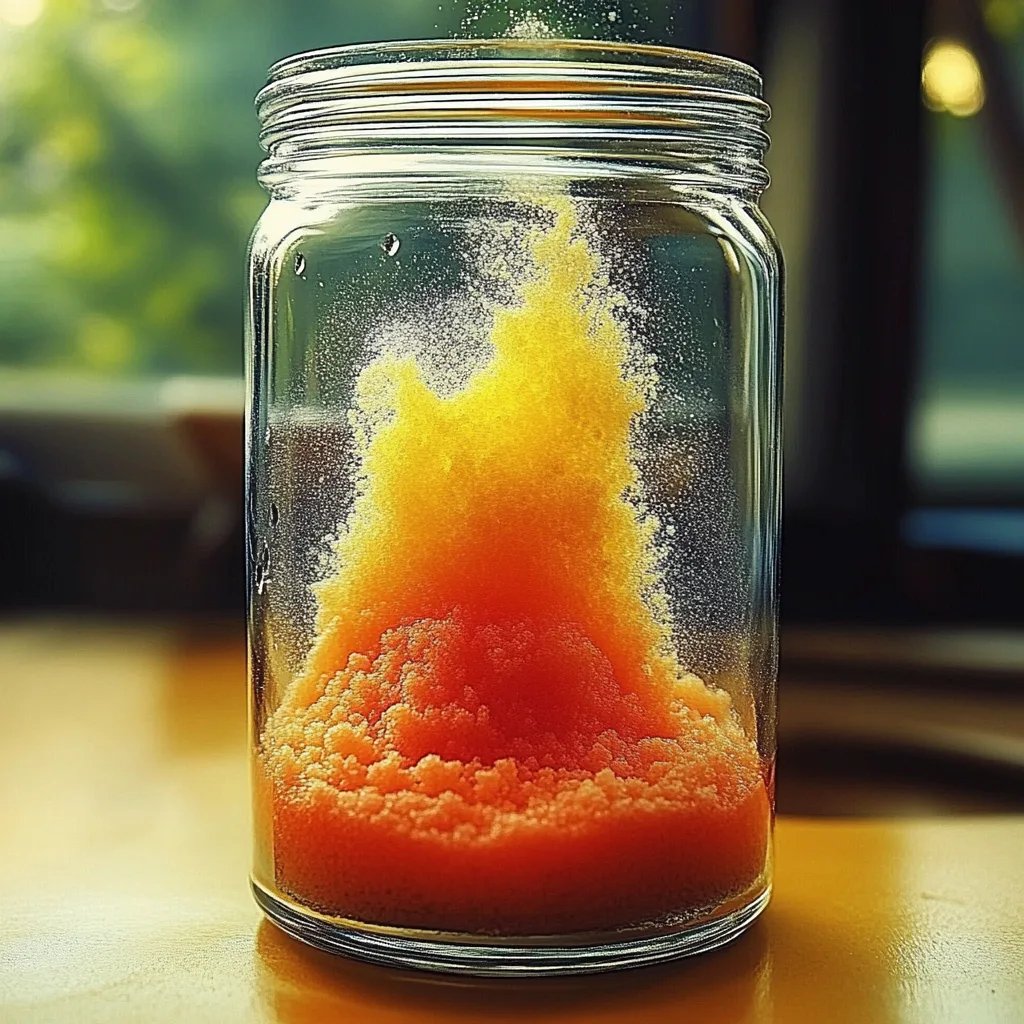
Hello there, fellow crafters and science enthusiasts! Today, I'm thrilled to share with you one of my all-time favorite DIY projects: the Salt Volcano Experiment. This fun and educational activity is perfect for curious minds—whether you're working with children, engaging in a classroom setting, or simply feeding your inner scientist.
What is the Salt Volcano Experiment?
The Salt Volcano Experiment is a playful and visually stimulating project that mimics volcanic eruptions using common kitchen ingredients. It's a delightful combination of science and artistry, leading to exciting reactions that can captivate anyone's attention. But why is this experiment so popular?
Well, it’s not just about the "ooze" that flows from the volcano. This experiment offers fantastic lessons in chemistry, geology, and the scientific method. You can utilize it during science fairs, birthday parties, or just as a fun afternoon project. The vibrant colors and dramatic eruptions make it a sensational visual treat as well!
Materials You’ll Need
Before diving into the steps, let’s gather the materials! Don’t worry; you likely already have most of them around your home:
Essential Supplies:
- Salt (table salt or rock salt): This is your primary agent for creating the eruption.
- Baking soda: Acts as a base in the reaction.
- Vinegar: The acid that will cause the eruption!
- Food coloring: My secret ingredient to turn the eruption into a mesmerizing spectacle. Choose your favorite colors!
- Small container or cup: This will act as the volcano’s core.
- Tray: To contain the mess (trust me, it can get messy!).
- Spoon: For mixing and stirring.
Optional Materials:
- Plastic figurines or toy dinosaurs: To make it more thematic or fun.
- Optional erupting volcano structure: You can build a cone-shape volcano using clay, sand, or even paper mache for an added creative twist.
Step-by-Step Guide to Creating Your Salt Volcano
Step 1: Prepare Your Volcano Structure
First things first, it’s time to create the structure of your volcano. If you’re using a dedicated volcano mold, that’s fantastic! If not, you can make a simple “volcano” shape using clay or even a mound of play sand.
Why it Matters: This structure will hold the eruption materials, so ensure it’s stable and sturdy.
Tips: If your volcano structure starts to crumble, simply add water to the mixture. This will make it more cohesive. A good rule of thumb is to make your volcano about 6-8 inches tall.
Step 2: Set Up Your Eruption Site
Pour some salt into the small container or cup and place it at the top of your volcano. You’ll want to create space for the baking soda to mix effectively, so a good amount of salt will do the trick.
Why it Matters: The salt helps retain the shape of the eruption when baking soda and vinegar react.
Possible Issues: If using table salt, you might find it doesn’t hold shape as well as rock salt. If you see this happening, you could mix a bit of water to make a thick paste that holds better together.
Step 3: Add Your Baking Soda
Now, sprinkle a generous amount of baking soda over the top of the salt in your volcano. This is where the fun begins!
Why it Matters: Baking soda is the secret ingredient that will react with the vinegar to create the bubbling eruption.
Tip: For maximum effect, consider mixing in a half teaspoon of baking soda with food coloring in a separate bowl before adding to the volcano, which creates a more colorful eruption.
Step 4: Prepare Your Eruption Mixture
In a separate bowl, mix about ½ cup of vinegar with a couple of drops of food coloring. This is what will give your eruption its vibrant colors and make it visually appealing.
Why it Matters: The vibrant colors not only enhance the visual appeal but also keep children engaged and interested.
Step 5: Erupt Your Volcano!
Pour your vinegar mixture directly into the container at the top of your volcano. Stand back and watch the magic happen as the chemical reaction between the vinegar and baking soda creates an eruption that oozes down the sides of your volcano!
Why it Matters: The reaction produces carbon dioxide gas, which forms bubbles and creates that thrilling eruption.
Troubleshooting Tips
- If the eruption is weak: Ensure you have added enough baking soda and vinegar. The proportions are key!
- If the eruption is too gaseous: This could mean adding your vinegar too quickly. Pour it slowly, allowing the bubbling reaction to occur naturally.
Creative Variations
Now, the fun doesn’t have to stop at a basic salt volcano! Here are some creative variations you may want to explore:
- Layered colors: Create a rainbow eruption by alternating layers of colored vinegar mixtures.
- More substances: Incorporate dish soap or corn syrup to change the texture and consistency of your eruption.
- Theme it: Turn your volcano into a themed centerpiece—perhaps add toy dinosaurs or other miniature figures for a prehistoric vibe!
Safety Warnings
While making the Salt Volcano Experiment is generally safe, here are a few safety tips to keep in mind:
- Supervision: Always supervise children while conducting experiments, especially with substances like vinegar that may cause irritation.
- Protective gear: Use an apron or old clothing, as this can get messy!
- Allergies: Check for any allergies particularly to baking soda or vinegar before starting.
Final Words of Encouragement
I hope you find joy and excitement in trying out the Salt Volcano Experiment! Remember that the essence of crafting—whether in science or art—is to explore and not stress about perfection. Embrace the learning process, and allow your creativity to flow as freely as the colorful lava pouring from your volcano.
Happy crafting and experimenting, my friends! If you have any questions or want to share your volcano stories, don’t hesitate to drop a comment below. Let’s ignite our imaginations together!