The Ultimate Guide to the Baking Soda Volcano Experiment: A Fun and Educational DIY Project
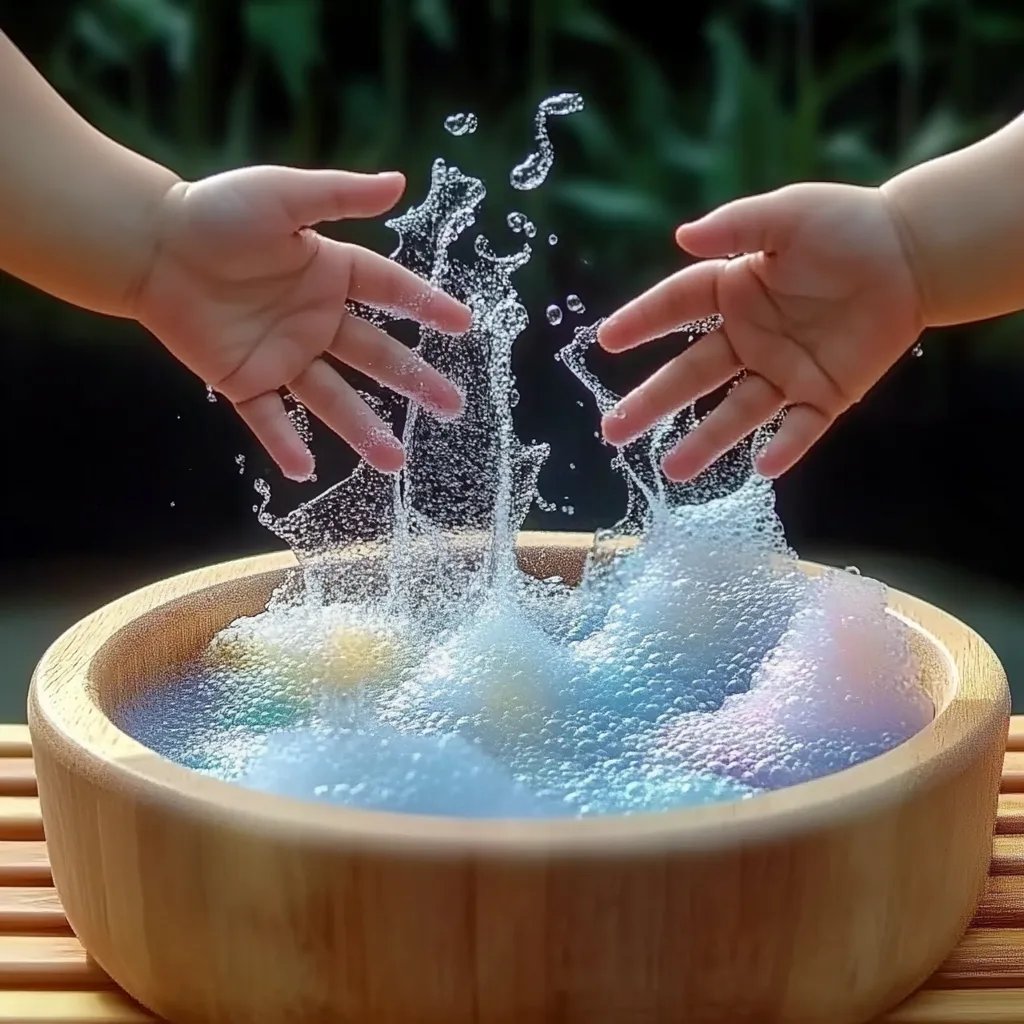
Hello there, fellow craft enthusiasts! Today, I’m thrilled to share with you one of my absolute favorite DIY experiments: the Baking Soda Volcano! This classic project isn’t just for science fairs—it's a delightful way to engage kids (and adults!) in hands-on learning while having a blast. Whether you're looking for a fun weekend project, a captivating science lesson for kids, or a unique birthday party activity, this volcano experiment is sure to impress.
With simple materials that you probably already have at home, you’ll transform the kitchen into a mini volcano site perfect for bubbling eruptions and ooey-gooey fun. So, roll up your sleeves, and let’s dive right into the fascinating world of baking soda volcanoes!
Why is the Baking Soda Volcano So Popular?
The Baking Soda Volcano experiment is renowned for a good reason: chemistry meets creativity! It's a visual spectacle that creates an explosive reaction your little ones will love, while also teaching them about chemical reactions in a fun and engaging way. Plus, it’s the perfect blend of science, art, and education, making it an ideal activity for parents, teachers, or any curious mind. This project is particularly popular around science fairs or as a rainy-day activity.
I remember my first volcano attempt as a child—I was mesmerized by the bubbling “lava." It sparked my interest in science, and whenever I see a volcano today, those memories come flooding back. So let's create some beautiful memories together!
What You’ll Need
Before we get started, you’ll want to gather your supplies. The great news is that most of these materials are everyday items that can be easily sourced. Here’s what you’ll need:
Materials:
- Baking soda (about 1-2 tablespoons)
- White vinegar (about 1 cup)
- Food coloring (optional, for colored lava)
- Dish soap (1-2 squirts, optional, to create thicker lava)
- Container for the volcano: You can use a plastic bottle, cardboard tube, or mound of clay.
- Tray or baking sheet: To catch overflow.
- Paper towel: For cleanup.
- Water: Optional, to create a base.
Alternative Ingredients/Materials:
- If you don’t have dish soap, you can skip it, but it helps to create a foamier eruption.
- Use cornstarch besides baking soda for a thicker lava if desired.
- If you’re really feeling adventurous, you could use colored glitter or confetti for added effect during the eruption!
Step-by-Step Tutorial
Step 1: Set Up Your Workspace
Start by choosing a spacious area where spills will be easy to manage—this can be outdoors or indoors on a large table covered with a waterproof cloth. Lay down your tray or baking sheet to catch any overflow from your volcano.
Step 2: Create Your Volcano Structure
Now comes the fun part—building your volcano! If you’re using a container like a plastic bottle, place it in the center of your tray. I love using modeling clay to mold around the base of the container, shaping it into a volcano. This gives it a more realistic, three-dimensional look!
*Tip*: If you don’t have clay, you can mound up dirt or sand to form your volcano. Just make sure your container is securely embedded so it won’t tip over during the eruption.
Step 3: Prepare Your Lava Mixture
In a small bowl, mix about 1-2 tablespoons of baking soda with a couple of squirts of dish soap and a few drops of food coloring. The dish soap isn’t mandatory, but it enhances the “lava” effect. Stir the mixture until it's well combined—this is what you'll pour into the volcano.
Step 4: The Big Eruption!
Take your baking soda mixture and carefully pour it into the container you’ve set up (this will be the volcano's crater). Now for the grand finale: pour about a cup of white vinegar into your volcano.
*Why this matters*: The reaction between baking soda (a base) and vinegar (an acid) creates carbon dioxide gas, which causes that explosive bubbling effect and mimics a real volcanic eruption!
*What could go wrong*: If you don’t see much action, your baking soda might be too old or clumpy. Make sure it’s fresh! If it’s not bubbling, try adding more vinegar.
Step 5: Observe and Enjoy!
Watch as the “lava” erupts from the crater! This is your chance to see principles of chemistry in action. For an added twist, you may want to experiment with different amounts of baking soda or vinegar or try it with a colored “lava” to see how it changes the effect.
*Cleaning Tip*: Keep a paper towel nearby for wiping down any mess from the eruption.
Personal Anecdotes and Insights
I remember the first time I did this with my niece—she was around six, and the look of astonishment on her face as the colorful lava flowed was priceless. We even named our volcano “Mount Giggles,” and it became a tradition. Ever since, every time we did our volcano, we’d create a story around it—who lived at the top, what kind of creatures, and what eruptions meant for the village!
Safety Warnings
While the ingredients are safe and non-toxic, here are a few things to keep in mind:
- Conduct this experiment in an open area to avoid staining surfaces.
- Always supervise children, especially if they are very young.
- If you have allergies, double-check the ingredients of the food coloring.
Creative Variations
Want to take your volcano to the next level? Here are some creative spins to try:
- Layered Lava: Mix different colors of food dye with separate baking soda batches, create layers, and see the multi-colored lava flow!
- Miniature Volcanoes: Create mini-volcanoes using bottle caps or yogurt containers for individual eruptions.
- Natural Ingredients: Experiment with citric acid and lemon juice for a more 'natural' volcano. The reaction will still create bubbling lava.
Final Thoughts
Creating a Baking Soda Volcano is not only an enjoyable experience, but it's also a powerful learning moment. It opens the door to discussions about geology, chemical reactions, and even environmental concepts, like the impact of volcanic eruptions on our planet.
Whether you're exploring concepts in science class, planning a fun activity at home, or just indulging in your curiosity, I hope this guide has made the process enjoyable and straightforward. So go ahead, unleash your inner scientist, and make some eruptive memories!
Happy crafting, and may your volcanoes always erupt with excitement!