The Ultimate Guide to Crystal Growing: A Sparkling Science Experiment You Can Do at Home
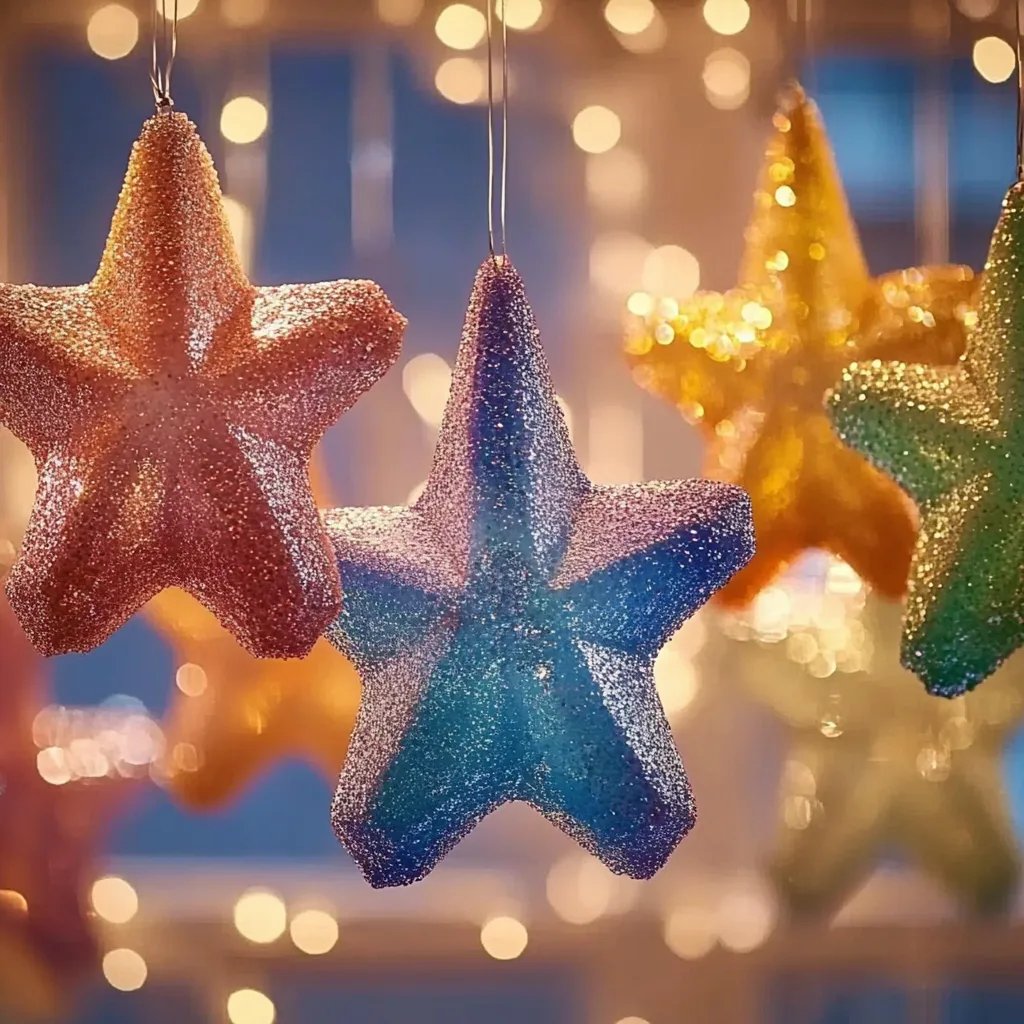
Greetings, fellow craft enthusiasts! Today, I’m thrilled to dive into one of the most enchanting and educational activities you can embark on: growing your very own crystals. This engaging experiment is not only a fantastic way to explore the wonders of science but also serves as a creative outlet that can transform your space into a glistening wonderland. Whether you’re a parent looking to inspire your youngsters, an educator seeking captivating classroom experiments, or just someone who loves DIY projects, this crystal-growing escapade is sure to please.
Why Crystal Growing is Popular
Crystal growing has repeatedly captured the imagination of both young and old. It combines science with art, providing a visual feast as you witness the gradual transformation of a simple solution into stunning, glittering formations. Not only is this activity popular in educational settings as an engaging science experiment, but it also makes for a delightful festive decoration or a thoughtful homemade gift. Plus, it’s a fantastic way to unplug and focus on the magical aspects of nature and chemistry.
Getting Started: What You’ll Need
Before we tuck in, let's gather our materials. The good news is you probably have most of these items at home:
Materials:
- Sugar or Salt: For flavor and stability in the growing process. I personally prefer using sugar as it tends to produce larger and more visually appealing crystals.
- Water: The universal solvent that will allow crystals to form.
- A heat source: A stove or microwave to dissolve the sugar or salt.
- Glass jar or container: To grow your crystals in. The wider the base, the better the crystal formation.
- String or skewer: To hang your crystal structure. This step can be adjusted based on your preferences.
- Food coloring (optional): To give your crystals some personality.
- Small saucepan: For boiling water.
- Stirring utensil: A spoon or stick to mix your solution.
Safety Tips
- Handle hot water carefully: Boiling water can cause burns, so ensure you’re using oven mitts when handling hot pots.
- Keep small items away from young children: If using skewers or small jars, be mindful of young ones who love to explore.
Step-by-Step Instructions
Step 1: Preparing the Solution
Begin by pouring 1 cup of water into your saucepan. Heat over medium heat until the water comes to a rolling boil.
Why this matters: Boiling the water allows for a greater saturation of the sugar or salt. The hot water will dissolve more of the substance than cold water.
*What could go wrong*: If you don’t let the water reach a full boil, you may not adequately dissolve the sugar or salt, resulting in fewer crystals forming.
Step 2: Adding the Sugar/Salt
Slowly start adding sugar or salt to the boiling water—about 1-2 tablespoons at a time. Stir after each addition until it completely dissolves before adding more.
Why this matters: We want a saturated solution, which means it can hold more solute than it can typically maintain at room temperature. Adding it slowly helps ensure it all dissolves properly.
*What could go wrong*: If you add too much too quickly, you might end up with undissolved chunks at the bottom, which won’t contribute to crystal formation.
Step 3: Adding Color (Optional)
Once all the sugar/salt is dissolved, this is your chance to infuse some personality into your growing crystals! Add a drop or two of food coloring and stir gently.
Step 4: Cooling the Solution
Remove the saucepan from heat and let the solution cool for about 10-15 minutes.
Why this matters: Allowing the solution to cool will take it to a state where the crystals can start forming once it is transferred to the jar.
*What could go wrong*: If you pour the solution into the jar while it's too hot, it may evaporate quickly and lead to small or no crystals at all.
Step 5: Transferring to the Jar
Carefully pour your cooled solution into a glass jar. Leave a little space at the top, as the crystals need room to grow.
Step 6: Starting the Growth Process
This is the magic moment! You can either take a piece of string, tie a weight (like a penny) to it, and hang it in the solution or if you prefer to use a skewer, submerge it in the solution, resting it across the top of the jar.
Step 7: Storing the Jar
Now, place the jar in a location where it won’t get disturbed (a sunny windowsill works well) and let nature work its magic. Crystals typically need 3-7 days to start forming, so patience is key!
Why this matters: A stable environment allows crystals to grow more uniformly. Sunlight can also enhance the aesthetic!
What to Expect
After a few days, you’ll start noticing the formation of crystals forming on the string or skewer. If you've been using a transparent jar, the view will be nothing short of mesmerizing!
*What could go wrong*: If your crystals seem to be tiny or scattered, it may indicate that your solution wasn’t saturated enough, or it may have been disturbed during the formation process.
Troubleshooting Common Problems
- Crystals won’t grow: Check for saturation of the solution or if the jar was moved.
- Crystals are fuzzy: This could occur from too much dust or interference in the formula.
Creative Variations
- Rock candy: Instead of plain sugar water, you can create rock candy—a sweet treat! The method is almost identical; simply add food coloring and enjoy the fruits of your labor.
- Amethyst Crystals: Substitute sugar with Epsom salt and see vibrant purple shades form with food coloring.
- Decorative Jars: Once you've grown your crystals, use them for centerpieces or decorations by arranging them in various glass containers.
Wrapping Up
Growing crystals is more than just an experiment; it’s a journey filled with wonder and excitement. I hope you feel inspired to embark on this sparkling adventure and share the beauty you've created with others. Remember, creativity knows no bounds, and both science and art can flourish together in harmony. So roll up your sleeves and let’s dig into the glittering world of crystal growth!