The Joy of Making Homemade Bubbles: A Crafty Guide to Delightful Fun
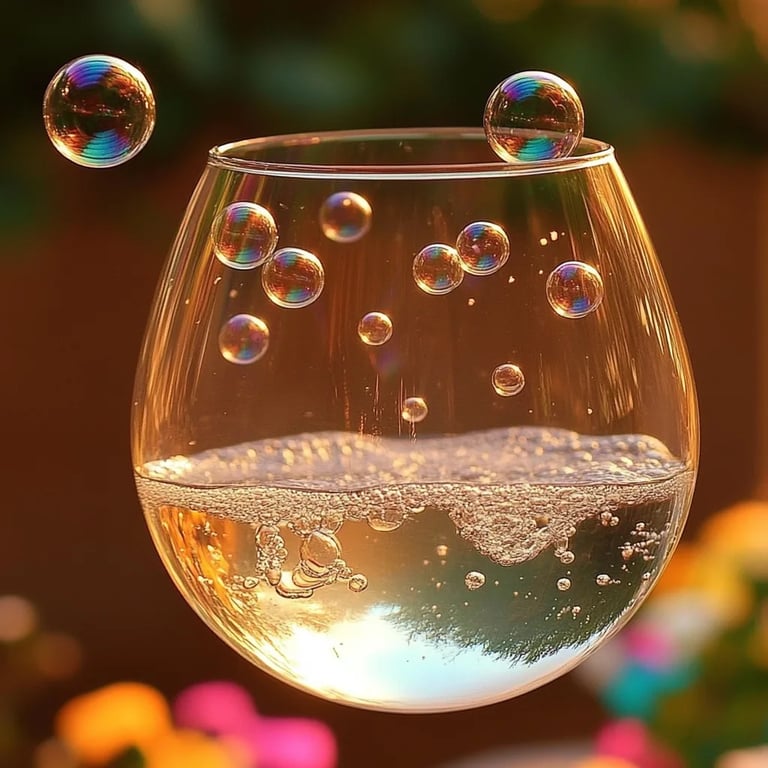
Hello, fellow crafters! If there's one joyful, magical childhood memory that transcends age and brings a smile to our faces, it's blowing bubbles. The shimmering, spherical wonders that dance through the air are captivating not just for children but for the young at heart as well. Whether it’s a sunny afternoon in the backyard, a playful gathering at the park, or a whimsical birthday party, homemade bubbles add an enchanting touch to any occasion. Today, I'm thrilled to share my tried-and-true recipe and tips for crafting bubbles right in your own home. Let’s dive in!
Why Make Homemade Bubbles?
Making homemade bubbles is a delightful experience that taps into our inner child. It’s an inexpensive activity that fosters creativity and fun. As a seasoned crafter, I've used bubble-making as a bonding activity with friends and family. Here are a few reasons why you might want to make your own bubble solution:
- Cost-Effective: Store-bought bubble solutions can add up, especially if you want to entertain a crowd.
- Customizable: You can tweak the recipe to suit your preferences, whether it’s making extra-giant bubbles or incorporating scents.
- Eco-Friendly: By creating your bubble solution at home, you can choose non-toxic ingredients, making it safer for children and pets.
- Fun Learning Experience: It's a great science experiment that can teach kids about solutions, surface tension, and even weather effects.
The Basic Bubble Recipe
Ingredients:
- Water – 1 cup (distilled is best, but tap water works)
- Dish Soap – 2 tablespoons (Dawn or Joy works remarkably well)
- Glycerin – 1 tablespoon (available at pharmacies or craft stores)
Tools:
- A mixing bowl
- A whisk or spoon for stirring
- A storage container (an empty bottle or jar)
Step-by-Step Tutorial
Step 1: Gather Your Materials
Before we start mixing, gather all the ingredients and tools to create an organized crafting space. This not only keeps things tidy but ensures you have everything within reach.
Step 2: Mix the Ingredients
- Combine Water and Dish Soap: In a mixing bowl, gently pour 1 cup of water and 2 tablespoons of dish soap. Stir slowly to combine. The goal here is to mix them without creating too many bubbles right off the bat. This process blends the soap into the water, creating the base for your bubble solution.
Why It Matters: Using too much force when mixing can create foam instead of a smooth solution. Too much foam can hinder the formation of bubbles later.
- Add Glycerin: Now, add 1 tablespoon of glycerin to the mixture. Glycerin thickens the bubble solution and adds elasticity, leading to larger, longer-lasting bubbles.
What Could Go Wrong: Using too little glycerin will produce weak bubbles that pop easily, while too much can create a slippery solution that's tough to work with.
- Stir Again: Give it another gentle stir until everything is well incorporated. It’s essential to ensure all ingredients are well mixed while avoiding foam.
Step 3: Let It Sit
If you can resist the urge to blow bubbles immediately, let your solution sit for at least an hour. For best results, let it sit overnight! This allows the ingredients to meld and enhances bubble quality.
Step 4: Find or Make a Bubble Wand
You can use a variety of tools to create bubbles. Some fantastic options include:
- Store-Bought Wands: You can buy them inexpensively.
- Homemade Wands: Transform a pipe cleaner into a swirl shape.
- Straws: Simple drinking straws work great for small bubbles.
- Loops: Even a wire hanger can be bent into fascinating shapes for giant bubbles.
Step 5: Start Blowing Bubbles!
Dip your wand into the solution, cover the end with a thin film, and give it a gentle puff of air. Voila! Watch as the bubbles float into the air, shimmering in the sunlight.
Tips for the Best Bubble Blowing Experience
- Humidity: Bubbles do best in humid weather. On a dry day, consider using a spray bottle to mist the area or try to time your bubble play when humidity levels are higher.
- Temperature: Avoid blowing bubbles on a very windy day, as they will pop or be carried away too quickly!
- Practice: Don’t worry if your first few attempts are duds; with a little practice, you’ll learn the optimal blowing technique for creating amazing bubbles.
Safety Warnings
While making and playing with bubble solutions is generally safe, always supervise children during bubble time—especially if they venture to try and eat a bubble. The glycerin isn’t toxic but certainly isn't meant for consumption either. Keep it out of reach of pets and curious mouths.
Creative Variations
- Sparkly Bubbles: Add a little biodegradable glitter to the solution for a dazzling effect during bubble play.
- Scented Bubbles: Include a few drops of essential oils like lavender or lemon to make bubble-blowing an aromatic experience.
- Colored Bubbles: Mix in a few drops of food coloring. (Warning: this might stain, so do this with caution!)
Personal Anecdotes
I remember one summer afternoon when my children and I decided to throw a bubble-themed garden party. We invited neighbors and turned our backyard into a bubble wonderland, complete with different bubble wands, colorful drinks, and a bubble-themed cake. Giggles filled the air as kids chased and popped oversized bubbles that floated lazily across the yard. Moments like these remind me that the simplest of activities can create the most enduring memories.
Final Thoughts
Making homemade bubbles is not just a craft; it’s an experience bursting with joy and creativity. It’s a reminder of the little pleasures and the simple joys of life. So gather your materials, invite some friends or family, and indulge in the nostalgia of bubble blowing! Whether you're young or just young at heart, the fun is limitless.
I hope this guide serves you well in your bubble-making journey, and may your bubbles always float high! If you have any tips or experiences of your own, I’d love to hear them in the comments below. Happy crafting!