The Balloon Baking Soda Experiment: A Fun and Memorable Science Project
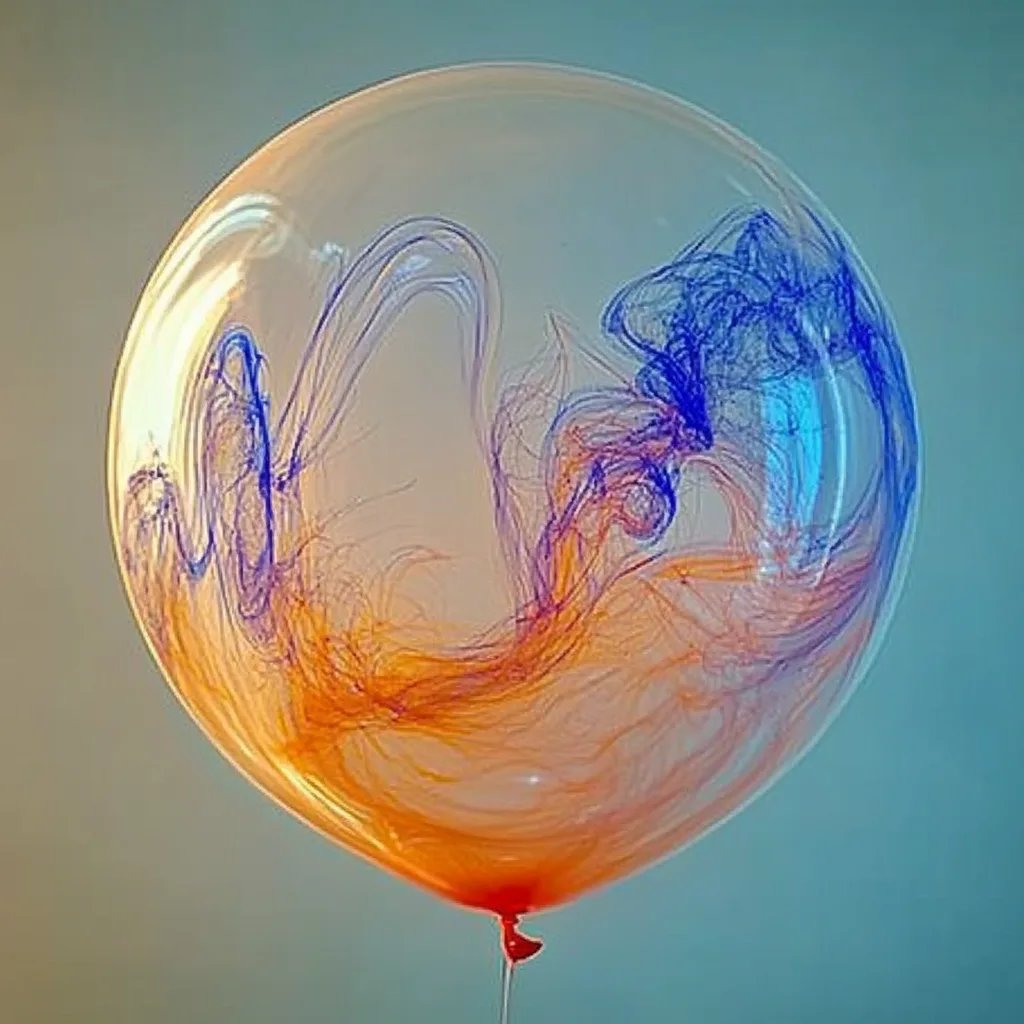
Greetings, fellow crafting enthusiasts! Today, I want to share with you one of my favorite science experiments—an engaging activity that's not only fun but also educational. It's the Balloon Baking Soda Experiment! This delightful method combines kitchen science and a dash of creativity, making it perfect for kids, classrooms, or even a curious adult looking to relive their inner child.
Why This Experiment is Popular
The Balloon Baking Soda Experiment is a classic that captivates the imagination with its combination of simple materials and spectacular results. It's popular because it’s quick, easy, and yields that gratifying ‘wow’ moment when the balloon inflates. This activity teaches basic chemical reactions using baking soda and vinegar, sparking curiosity about scientific principles in a fun way. Whether you’re looking to entertain children on a rainy day, teach your class about reactions, or simply explore the science of gases, this experiment fits the bill wonderfully.
When to Use the Experiment
You can conduct this experiment anytime you're in the mood for some fun learning. It works well:
- During family science nights
- As an engaging classroom demonstration
- On weekends with your little ones at home
- As a party activity at birthday celebrations
Let’s jump into the process of making this colorful, informative balloon experiment!
Materials You Will Need
To get started, gather the following materials. I recommend setting everything up on a table or a flat surface for ease.
- Balloons (2 for a backup)
- Baking Soda (about 2 tablespoons per balloon)
- Vinegar (about 1 cup)
- Empty plastic bottle (a water bottle works well)
- Funnel (a paper funnel works fine if you don’t have one)
- Measuring spoons
- Tissue or paper towel (optional, for cleaning)
- Gloves (for clean handling)
Step-by-Step Instructions
Step 1: Preparation
Why it Matters: Setting up your workspace is critical. A clutter-free area means a smoother process and less chance for accidents.
- Find a clean, flat surface for your experiment.
- Gather all your materials, checking that you have everything you need before you start.
Step 2: Prepare the Balloon
How to Do It: Using the funnel, add about 2 tablespoons of baking soda into the balloon. Here’s where those gloves come in handy—wear them to avoid any contact with your skin. The funnel helps prevent spills, which can occur if you try pouring directly.
What Could Go Wrong: If you add too much baking soda, the balloon may not inflate properly.
Fix: Use the right measurement; feel free to use less if you're unsure.
Step 3: Prepare the Bottle
Pour about 1 cup of vinegar into the empty plastic bottle. Why does vinegar matter? It acts as the acid in our chemical reaction and is what you need to create the bubbles that will inflate your balloon.
Safety Warning: Be safe when handling vinegar as it can be a mild irritant when in direct contact with your skin.
Step 4: Combine the Ingredients
Carefully stretch the balloon's opening over the bottle’s neck—make sure not to let any baking soda fall into the vinegar yet! This step might get a little tricky with the bottle moving, so steady your hand to help prevent spills.
What Could Go Wrong? If the balloon slips off, it can lead to a mess.
Fix: Ask someone to hold the bottle while you secure the balloon to it, or use a rubber band to secure the bottle to the table for extra stability.
Step 5: The Moment of Truth
Once the balloon is attached securely, lift the balloon allowing the baking soda to fall into the vinegar. This is where the magic happens! You’ll see bubbles begin to form right away, and the carbon dioxide produced will fill the balloon with gas.
Tips: Make sure you’re watching carefully and excitedly, as this initial reaction is quite mesmerizing!
Step 6: Observe and Discuss
Take a moment to observe how the balloon inflates. Discuss with your participants or yourself—why did this happen?
Personal Anecdote: I vividly remember performing this experiment for the first time with my niece. Seeing her eyes light up as the balloon expanded was priceless, and we spent the next half hour discussing chemistry in a fun and engaging way.
What If Things Go Wrong?
If your balloon doesn’t inflate completely, check three things:
- Ensure the baking soda fully enters the vinegar.
- Make sure the seal around the balloon and bottle is tight to prevent gas from escaping.
- If the balloon deflates quickly, it might mean the reaction was too vigorous; reduce the amount of vinegar or baking soda.
Alternative Methods
If you want to add a twist to your project:
- Color it Up: Add food coloring to the vinegar before the reaction for colorful results!
- Different Bottles: Experiment with different sizes of bottles to see how it affects the inflation speed.
- Replace Vinegar: Try using lemon juice instead of vinegar for a citrusy twist on the reaction!
Final Words of Encouragement
Remember, the most important part of this experiment is to have fun and learn along the way. Don’t be afraid to experiment with ratios, colors, or methods—each moment spent crafting, experimenting, and failing is a pathway to deeper understanding.
Whether you’re a budding scientist or a seasoned crafter, I hope this Balloon Baking Soda Experiment inspires curiosity and wonder. Happy experimenting!