The Art of Flower Preservation: A Step-By-Step Guide to Your Floral Keepsakes
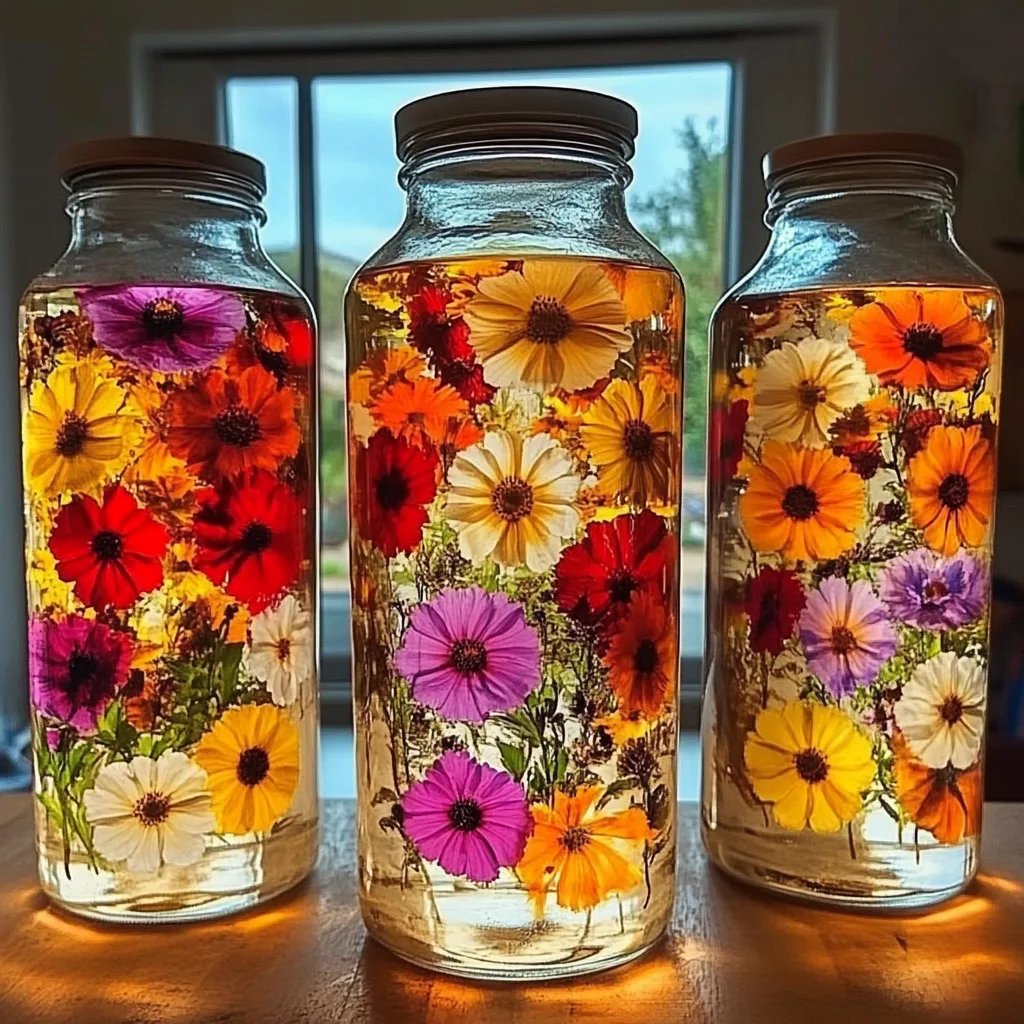
Ah, flowers—nature’s beautiful creations that capture our hearts and evoke emotions like few other things can. Whether it’s a gorgeous bouquet from your wedding, a thoughtful gift from a friend, or the vibrant blooms you picked during a sunny adventure in the park, flowers carry memories worth preserving. Over the years, I’ve developed a passion for flower preservation, turning these ephemeral beauties into lasting keepsakes. Today, I’m excited to share my step-by-step guide to preserving flowers, ensuring that you too can keep these stunning pieces of nature for years to come.
What is Flower Preservation?
Flower preservation is a technique used to retain the beauty and form of flowers long after they have wilted. This process has surged in popularity, especially with the growing trend of DIY crafts and home decor. Preserved flowers can be used in various ways: framed as art, incorporated into scrapbooks, made into jewelry, or even fashioned into shadow boxes. You might find yourself wanting to celebrate a wedding, honor a loved one, or simply add a touch of nature to your home. Whatever your motivation, the possibilities are endless!
Gather Your Materials
Before diving into the preservation process, let’s gather all the materials you’ll need. I recommend starting with:
Basic Supplies
- Fresh Flowers: Choose ones with sturdy stems and vibrant colors. Roses, daisies, and lilies are excellent options.
- Silica Gel: This is a desiccant that absorbs moisture, allowing the flowers to dry while maintaining their form.
- A Container: Preferably an airtight container, like a glass jar or plastic bin.
- Tweezers: Useful for handling delicate flowers.
- Paper Towels or Coffee Filters: To protect petals while absorbing excess moisture.
- Ribbon or String: For hanging, if you're creating arrangements or display pieces.
Optional Supplies
- Clear Sealant Spray: To add a glossy finish.
- Essentials Oils or Preservative Agents: If you want to enhance fragrance and longevity.
- Display Boxes or Frames: To showcase your finished piece.
Step-by-Step Process of Flower Preservation
Step 1: Choose Your Flowers Wisely
This is the foundation of your project! Pick flowers that are at their peak freshness—fully bloomed but not wilting. If you’re preserving a bunch, trim the stems at an angle for better hydration before starting the preservation process.
Tip:
If your flowers are garden-fresh, avoid any that have been treated with pesticides. Opt for organic options when possible.
Step 2: Prepare Your Flowers
Gently wipe any dirt or moisture off the petals. Handle them carefully with clean hands, as flowers can bruise easily. Once clean, remove any excess greenery from the stems and leaves.
Why This Matters:
Leaves can trap moisture and lead to mold during the drying process.
Step 3: Using Silica Gel
Fill your airtight container about 1-2 inches deep with silica gel. Place the flowers on top, ensuring they don’t touch, and gently cover them with more silica gel. Make sure that the petals are well-supported to maintain their shape.
Safety Warning:
Silica gel is safe to use, but avoid inhaling the dust and keep it out of reach of children and pets.
Step 4: Seal and Wait
Once the flowers are covered with silica gel, seal the container tightly. Set it in a cool, dry location away from direct sunlight. Now comes the most challenging part—waiting! Depending on the thickness of the petals, this process can take anywhere from 2 to 7 days.
Tip:
Check your flowers every couple of days. If they feel dry to the touch, you can start to carefully remove them.
Step 5: Remove and Clean
Using your tweezers, gently lift the flowers out of the silica gel. Some residual gel may stick to the petals; you can gently blow it off or use a soft brush for cleaning.
Common Issues:
- Brittleness: If your flowers feel fragile, it may be because they dried too quickly. Going slower and checking regularly will help prevent this.
- Mold: If you notice fuzzy growth, that’s moisture mishandling! Make sure to dry flowers completely and use fresh silica gel.
Step 6: Finishing Touches
At this point, your flowers are beautifully preserved, but they might look a little dull. A clear sealant spray can add a glossy finish and protect them from dust. Hang or attach them to your chosen backing or frame them to complete your display.
Creative Variations and Alternatives
- Pressing Flowers: Instead of silica gel, you can press flowers using wax paper and a heavy book. It’s a more time-consuming method, but it can yield beautiful, flat designs ideal for cards and bookmarks.
- Glycerin Preserving: For lush, vibrant flowers, immerse them in a glycerin solution (mix 1 part glycerin to 2 parts water) to maintain their color and flexibility.
- Resin Casting: If you’re feeling adventurous, try encasing your flowers in resin! This provides a unique, long-lasting showcase, perfect for keychains or coasters.
Personal Anecdotes
I remember the first bouquet I preserved: it was a beautiful arrangement from my sister’s wedding. I was nervous, fearing I’d ruin such a special keepsake, but being meticulous in each step led to a stunning piece now displayed prominently in my living room. Every time I glance at it, I’m transported back to that magical day.
Final Thoughts
Flower preservation is a charming craft that celebrates nature’s beauty while capturing personal memories. As you embark on this project, embrace the learning process and enjoy the journey. Mistakes will happen; I’ve had my share! Just remember that every attempt is a step towards becoming a pro at this delightful art. Happy crafting!