Stained Glass Glue Window Art: A Step-by-Step Guide for Budding Crafters
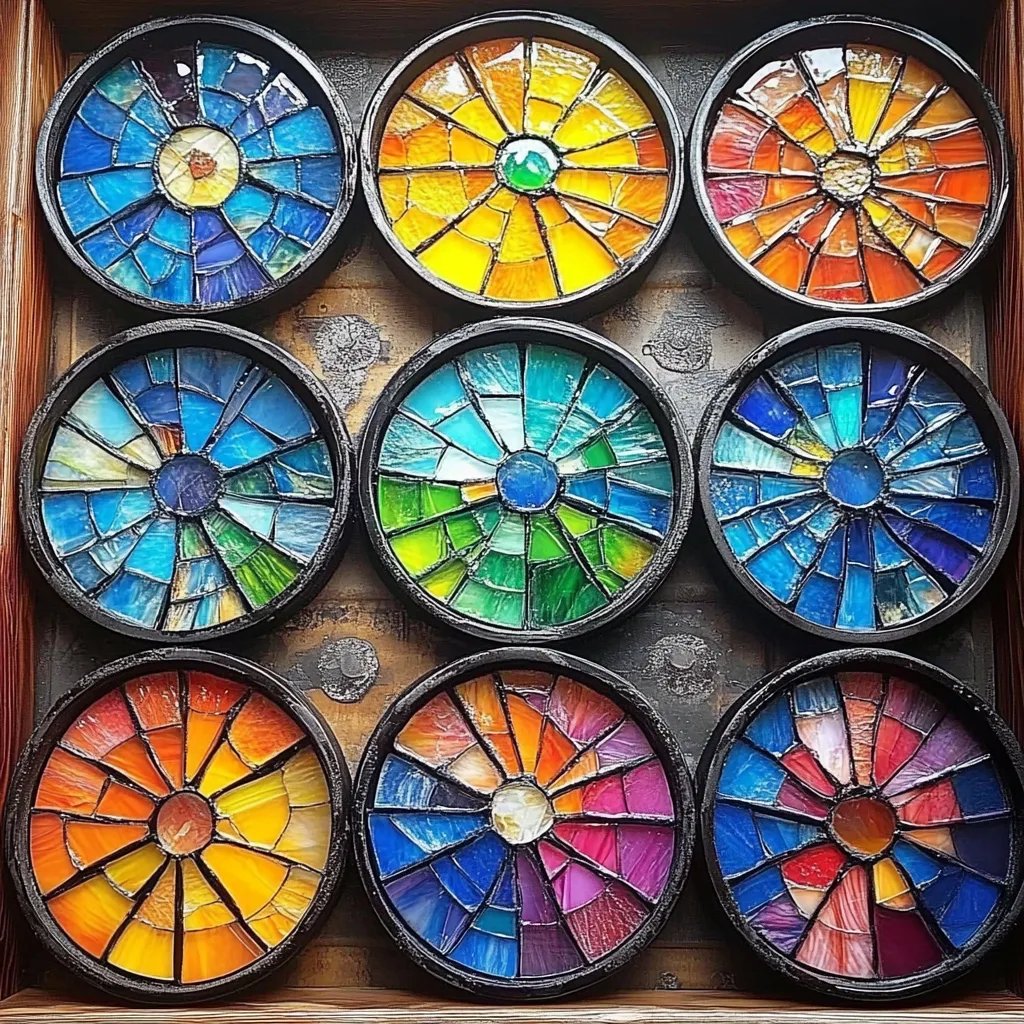
Creating stained glass art with glue is a delightful way to infuse any space with color and creativity, and I’m thrilled to share my personal experience in this captivating craft. There’s something magical about transforming simple materials into vibrant window art that dances with light. Whether it’s an enchanting sun catcher, a festive decoration for holidays, or a personalized gift for a loved one, stained glass glue window art has become a cherished favorite among crafters and art enthusiasts alike.
Why Stained Glass Glue Art?
Stained glass glue art has surged in popularity thanks to its accessibility and the immediate gratification it offers. Unlike traditional stained glass, which requires specialized skills and equipment, this art form allows any beginner to express their creativity with minimal investment and mess. Perfect for home décor, children’s rooms, or even as a fun family project, it’s an engaging way to brighten up a space. Plus, it’s an excellent conversation starter!
Materials You’ll Need
Before diving into the crafting process, let’s gather the essentials. Here’s what you’ll need:
- Clear Contact Paper or Pellon Fabric: This serves as the base for your stained glass art.
- Colorful Tissue Paper: Choose vibrant colors that reflect your style and vision.
- White School Glue: This will mimic the look of lead lines found in traditional stained glass.
- Paintbrush: For applying the glue neatly.
- Scissors: To cut the tissue paper into desired shapes.
- Pencil or Marker: For sketching your design.
- Tray or Protections Sheets: To protect your working surface from spills.
- Optional: Glitter or sequins for added sparkle!
Step-by-Step Tutorial
Step 1: Designing Your Artwork
Begin by sketching your design on a piece of paper. It could be a simple pattern—like flowers or geometric shapes—stay true to your artistic voice! Ensure your design is not overly intricate because the tissue paper pieces should be manageable.
Tip: If you find sketching challenging, print out a design template online and trace it. This saves time and eliminates frustration.
Step 2: Preparing the Base
Next, cut your clear contact paper or Pellon fabric to your desired size. If using contact paper, peel off the backing layer, and place it sticky side up on a flat surface.
Why It Matters: This creates a transparent canvas for your colorful designs, allowing the final piece to catch and reflect light beautifully.
Step 3: Cutting the Tissue Paper
Use your scissors to cut the tissue paper into your desired shapes and sizes. Remember, varying the shapes can create exciting patterns and depth in your artwork!
What Could Go Wrong: Be cautious not to make the pieces too small; they may be difficult to work with and could tear easily.
Personal Insight: I love to mix colors like deep blues with vibrant yellows, giving my windows a sunset feel!
Step 4: Applying the Glue
Now comes the fun part! Using your paintbrush, start applying a thin layer of white school glue to the contact paper.
Tip: Work in small sections, applying glue where you want to place your first piece of tissue paper.
Step 5: Placing the Tissue Paper
Carefully place your cut tissue paper shapes onto the glued areas, pressing them down gently. Continue this process, filling up your canvas with colors and shapes, allowing some overlap to create that stunning stained glass effect.
Troubleshooting: If you accidentally place a piece incorrectly, quickly lift it off and reposition it before the glue dries.
Creative Variation: For a textured look, crumple the tissue paper before applying it. The raised areas will catch the light differently, creating beautiful variations.
Step 6: Finalizing Your Design
Once the entire area is covered and you’re satisfied with your creation, seal everything with a final layer of glue. This step strengthens the bond and gives your artwork a polished finish.
Tip: Let the piece dry completely—this can take several hours to overnight depending on the glue and environmental conditions.
Step 7: Displaying Your Art
Once dried, carefully cut around your stained glass art, leaving a small border if desired. If using contact paper, simply peel and stick it directly onto a window!
Safety Warning: If displaying in direct sunlight for long periods, be mindful that temperatures can rise, and certain papers may wilt or warp.
Alternatives & Substitutions
- Using Mod Podge: Consider substituting white school glue with Mod Podge for a stronger hold and a glossy finish. It also offers the ability to decoupage without losing the transparency effect.
- Clear Acrylic Sheets: If traditional contact paper isn’t your style, use clear acrylic sheets for added durability.
Final Thoughts
Throughout my crafting journey, stained glass glue window art has brought joy not just to me but also to everyone who has seen the finished pieces. It’s a craft that celebrates both simplicity and the breathtaking results that can arise from the creativity of anyone.
So, gather your materials, unleash your imagination, and start creating your own stunning stained glass glue window art. Remember, crafting is a journey—embrace the experimentation, the mess, and most importantly, the joy of creating something uniquely yours. Happy crafting!