Sink or Float Experiment: An Incredible Ultimate Guide to 10 Amazing Tests
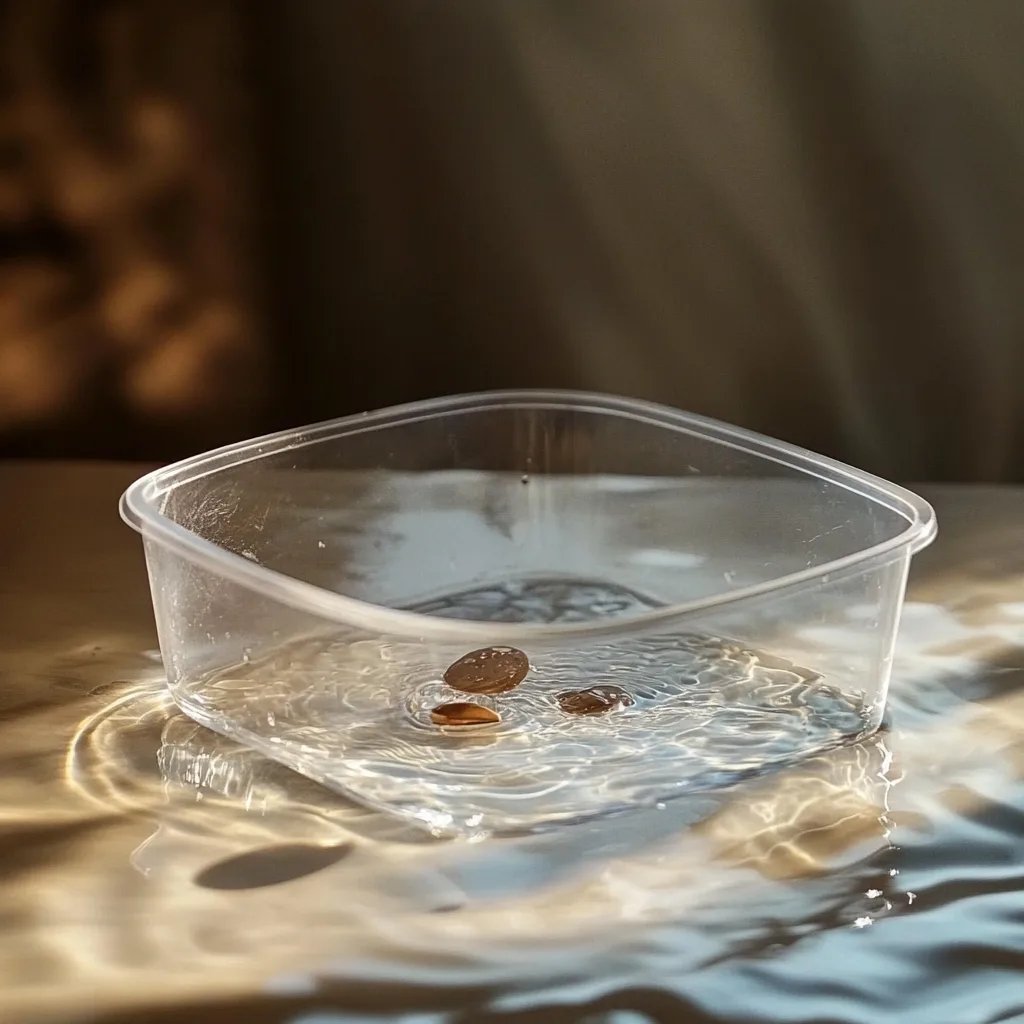
Sink or Float Experiment is a captivating activity that is not only fascinating but also educational. This hands-on science experiment helps children and adults alike explore the concepts of density, buoyancy, and the properties of different materials. Through this amazing exploration, participants can learn to predict which objects will sink and which will float in water. This intriguing experiment fosters curiosity and critical thinking skills, making it a must-try for classrooms, homes, or science fairs.
The idea of the Sink or Float Experiment is simple: gather a variety of objects, fill a container with water, and observe whether each object sinks or floats. However, the underlying principles are essential to understand why certain items behave as they do. Children, in particular, enjoy these visual and tactile experiences, which allow them to engage with their environment actively.
This experiment is perfect for a rainy day, a weekend project, or a school science lesson—ideal for curious minds eager to understand the world around them! As we dive deeper into the various aspects of the Sink or Float Experiment, you will discover why this is an ultimate activity that captivates interest and promotes learning. Grab your materials, and let’s embark on this incredible scientific journey!
Why You’ll Love This Experiment
The Sink or Float Experiment is not just fun; it is educational. Here are several reasons why you’ll enjoy conducting this experiment:
- Easy to Set Up: The materials needed are simple and often found around the house.
- Encourages Critical Thinking: Participants make predictions before conducting the experiment, enhancing their analytical skills.
- Flexible for Different Ages: This experiment can be tailored for young children or older students.
- Fosters Teamwork: It can be performed individually or in groups, promoting collaboration.
- Visual Learning: Seeing objects sink or float provides an engaging visual experience that solidifies concepts.
- Reinforces Science Curriculum: Great for reinforcing lessons about density, buoyancy, and physical properties.
With its myriad of benefits, conducting the Sink or Float Experiment can enhance learning while being enjoyable for everyone involved.
Preparation and Experiment Time
In total, preparing and conducting the Sink or Float Experiment takes about 20-30 minutes. Here's the time breakdown:
- Preparation Time: 10 minutes to gather materials.
- Experiment Time: 10-20 minutes depending on the number of objects tested.
Remember, the more objects you choose, the more time you might need for discussion and learning!
Materials Needed
- A large container (like a tub or basin)
- Water
- A variety of objects (toys, fruits, coins, paper clips, etc.)
- A notebook and pen (for recording predictions and results)
- A ruler or measuring tape (optional, for measuring the objects)
Step-by-Step Instructions
- Gather Materials: Collect a wide range of objects that you want to test in the experiment.
- Fill the Container: Pour enough water into the container until it is about three-quarters full.
- Make Predictions: Before each test, ask participants to predict whether the object will sink or float and write down their forecasts.
- Test Each Object: One by one, place each object into the water and observe its behavior—does it sink or float?
- Record Results: Note the actual behavior in the notebook next to the predictions.
- Discuss the Outcomes: Talk about why certain objects floated while others sank, touching on concepts like density.
- Repeat with New Objects: You can conduct the experiment multiple times with different materials or variations.
- Explore Variations: Consider making hypotheses about why some objects could change from sinking to floating if modified (e.g., adding air or changing shape).
- Reflect on Learning: Encourage participants to share what they learned from the experiment.
- Extend the Experiment: For more advanced learners, explore the effects of changing water temperature or salinity.
Through these steps, the Sink or Float Experiment becomes an interactive activity sparking discussions and critical thinking.
How to Serve
Once your experiment is complete, consider sharing your findings and experiences in the following ways:
- Presentation: Develop a simple poster or visual aid detailing your experiment process and outcomes.
- Sharing with Peers: Present your findings to classmates or family members, explaining the science behind what you observed.
- Create a Science Journal: Record your experiments and results in a dedicated journal. This can be an excellent tool for future reference.
- Extend Learning: Encourage others to perform their own variations of the experiment at home, perhaps testing different liquids beyond water.
- Discuss Applications: Talk about real-world applications of buoyancy in different contexts (boats, submarines, etc.), fostering further interest in science.
By reflecting on and sharing your Sink or Float Experiment, you strengthen the learning experience while inspiring curiosity in your audience. Enjoy this scientific adventure and the joy of discovery that accompanies it!
Additional Tips
- Experiment with Objects: Use various materials for testing, such as rubber, wood, and metal. This diversity helps illustrate the principles of density and buoyancy more effectively.
- Safety Precautions: If conducting this experiment with young children, supervise them closely, especially around water. Ensure no small objects are used that could pose a choking hazard.
- Encourage Questions: Prompt participants to ask questions during the experiment. This curiosity can lead to deeper discussions about science concepts.
- Document Findings: Maintain detailed records of each test. This could include sketches or photographs of objects, which can enrich the learning experience and encourage future experiments.
Recipe Variation
The beauty of the Sink or Float Experiment lies in its adaptability. Here are a few variations to keep it exciting:
- Different Mediums: Instead of using water, try testing objects in different liquids, such as oil, saltwater, or alcohol. This variation demonstrates how buoyancy can change in different environments.
- Temperature Variations: Test how temperature affects floating and sinking by conducting the experiment with hot and cold water.
- Modify Objects: Change the shape or size of objects, such as flattening a ball or adding weights. Observe how this affects their buoyancy properties.
Freezing and Storage
While the Sink or Float Experiment does not involve edible items, ensuring a setup is carefully managed allows for repeated trials:
- Storage of Objects: Keep objects organized in separate containers to avoid confusion during the experiment.
- Reusing Water: If you plan to conduct multiple tests, use the same water while maintaining cleanliness. It’s essential to replace the water if it becomes dirty.
Special Equipment
While the experiment requires minimal tools, having the right equipment enhances the experience:
- Clear Plastic Container: This allows for easy visibility while conducting the test.
- Spoon: Use a spoon to gently lower objects into the water without splashing.
- Measuring Tools: If you're measuring the volume of water or the size of objects, have measuring cups or rulers handy.
Frequently Asked Questions
What types of objects should I choose?
Select a mix of objects with varying densities, including heavy (metal) and light (foam) materials.
Can this experiment be adapted for older students?
Yes, older students can be encouraged to develop hypotheses and write follow-up reports on their findings.
What concepts can we explore further after this experiment?
Consider diving into topics such as Archimedes' principle or the physics of boats and submarines.
How can I make the experiment more interactive?
Incorporate a friendly competition where participants guess outcomes before testing each object.
Is there a way to expand this into a longer project?
Absolutely! Expand the project to explore natural bodies of water and how density affects marine life.
Conclusion
The Sink or Float Experiment is a captivating educational activity that promotes hands-on learning. By exploring the concepts of buoyancy and density, participants gain a better understanding of scientific principles. This experiment is a fun way to engage kids and adults alike in interactive learning experiences that bolster curiosity. Remember to adapt and expand upon the journey, making it a memorable scientific adventure!