Sensory Bottles: The Incredible Ultimate Guide to 5 Amazing Recipes
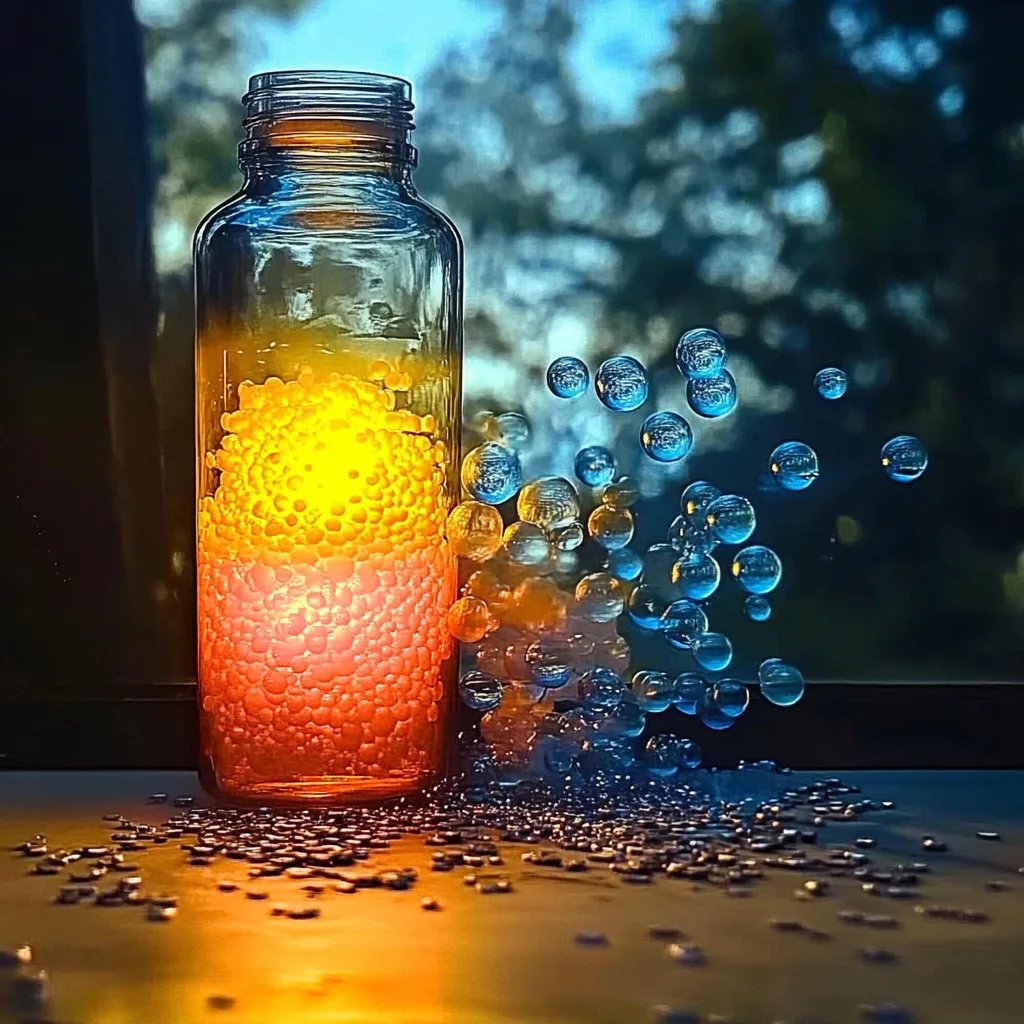
Sensory bottles are truly amazing tools for engaging children’s senses and promoting learning through play. These delightful creations captivate attention, soothe anxiety, and offer endless opportunities for exploration. Parents and educators alike have embraced sensory bottles as an effective way to teach concepts like colors, shapes, and numbers while improving fine motor skills and encouraging quiet time. By simply shaking, rolling, or observing, children enjoy a sensory-rich experience that can calm their minds and inspire creativity.
With a variety of themes and styles, sensory bottles can be customized to suit the interests of any child. From ocean-themed bottles to those filled with glitter, there’s no limit to the fascinating combinations you can create. This ultimate guide will introduce you to some incredible sensory bottle recipes that are not only easy to make but also provide hours of engagement for little learners. So, let’s dive into the wonderful world of sensory bottles and discover why they are such a beloved activity!
Why You'll Love This Recipe
Creating sensory bottles can be a wonderfully rewarding experience for both parents and children. Here are several reasons why you’ll fall in love with making these amazing sensory tools:
- Simplicity: Most sensory bottles require minimal ingredients, many of which you likely already have at home.
- Creativity: These bottles allow for endless creativity. You can personalize them with colors, themes, and textures that reflect your child's interests.
- Educational Value: Sensory bottles can support learning in various areas, including science, math, and language development.
- Calming Effects: Many children find sensory bottles soothing, which can help them focus or decompress during stressful moments.
- Interactive Play: These bottles stimulate inquisitive minds, offering engaging ways to explore concepts such as buoyancy and motion.
- Reusable and Sustainable: You can keep them for a long time or refresh their contents, ensuring continued interest and use.
With all these fabulous benefits, it's easy to understand why sensory bottles have become a staple in homes and classrooms across the globe!
Preparation and Cooking Time
Creating sensory bottles is a fairly quick process that is both enjoyable and rewarding. Here's an estimated breakdown of the time you'll need to prepare these engaging learning tools:
- Preparation Time: Approximately 15 minutes per bottle (based on the chosen recipe and complexity).
- Total Time for Multiple Bottles: If you plan to make several, set aside around 30-60 minutes, depending on the number and complexity of the bottles.
Remember, the process is meant to be fun, so take your time and enjoy the creative experience!
Ingredients
Here’s a basic list of ingredients you may need to create various types of sensory bottles. Note that these ingredients can be adjusted or modified based on the chosen theme:
- Clear plastic bottles (100ml, 200ml, or larger)
- Clear liquid glue or clear corn syrup
- Water
- Vegetable oil (optional)
- Glitter (various colors)
- Food coloring (liquid or gel)
- Small items for filling (e.g., beads, pom-poms, buttons, seashells)
- Jingle bells or small toys (themes such as animals, dinosaurs, etc.)
- Salt (for a snow globe effect)
- Epsom salt (for a shimmering effect)
Each recipe will provide specific components to use for a unique sensory bottle experience!
Step-by-Step Instructions
Follow these simple steps for creating your sensory bottles. Here are five different recipes to get you started:
1. Ocean Waves Bottle
- Fill a clean plastic bottle 1/3 full with water.
- Add a few drops of blue food coloring and mix.
- Pour in 1/3 cup of clear liquid glue.
- Add decorative items, such as seashells or fish figurines.
- Top off the bottle with more water and secure the cap.
- Shake gently to watch the “waves.”
2. Glitter Calm Down Bottle
- Fill a bottle 2/3 with water.
- Pour in 1 cup of clear liquid glue or corn syrup.
- Add 2-3 tablespoons of glitter and a small pinch of salt.
- Add a few drops of food coloring if desired.
- Fill the bottle to the top with more water.
- Secure the cap tightly and shake to see the glitter swirl.
3. Winter Wonderland Bottle
- Add distilled water to fill a bottle halfway.
- Mix in 2 tablespoons of Epsom salt and ½ teaspoon of glitter.
- Pour in white food coloring for that “snowy” effect.
- Add small snowflakes or foam shapes and fill the bottle with water to the top.
- Secure the cap and shake gently for a snowy effect!
4. Nature Exploration Bottle
- Collect nature items like dried leaves, twigs, and flowers.
- Place them into a bottle and fill halfway with water.
- Add clear glue for density and a slight tint if desired.
- Finish filling with vegetable oil and secure the cap tightly.
- This bottle simulates a mini ecosystem!
5. Color Mixing Bottle
- Fill a bottle 1/2 full with water.
- Add 2-3 drops of two different food coloring colors separately.
- Top it off with vegetable oil for a swirly effect.
- Secure the cap and shake to mix colors, then watch them separate again.
How to Serve
Displaying and utilizing sensory bottles can enhance the experience, making it memorable for children. Here are ways to serve up sensory fun:
- Engaging Play Areas: Designate a quiet play area for your sensory bottles. This helps children focus on their playtime.
- Themed Play: Align bottles with seasonal or thematic units (e.g., holidays, nature walks) for even more engagement.
- Open-Ended Exploration: Allow children to explore the bottles freely. Encourage discussions about what they see and feel.
- Calm Down Space: Use bottles as part of a calming corner in your home or classroom, providing a tool for self-soothing.
- Group Interaction: Encourage group play by letting children share and discuss their sensory bottles with peers.
With these serving suggestions, sensory bottles can provide both educational and calming experiences that will engage children for hours on end. Dive into the creative world of sensory bottles, customize these recipes according to your child’s interests, and enjoy the magic of hands-on learning!
Additional Tips
Creating sensory bottles can be an enjoyable process, but there are some additional tips to consider for even better results:
- Use Clear Bottles: Opt for clear plastic bottles to enhance the visual appeal. This allows the contents to be seen and creates captivating displays.
- Supervise Young Kids: Always supervise children, especially young ones, while they are using sensory bottles. Ensure the bottle caps are tightly secured to prevent spills.
- Experiment with Textures: Introduce various materials like foam shapes, marbles, and natural items to create diverse sensory experiences.
- Label Your Bottles: If making multiple sensory bottles, consider labeling them with the contents or theme. This can spark conversations and aid in learning.
- Involve Your Child: Engage your child in the process of creating sensory bottles. Doing this strengthens bonds and allows them to express their creativity.
- Change It Up: Regularly refresh the contents of the bottles or create new themes to keep your child's interest alive.
Recipe Variation
Feel free to customize and experiment with the following variations for each sensory bottle recipe:
- Ocean Waves Bottle: Add small plastic sea creatures or colorful marbles for added visual elements.
- Glitter Calm Down Bottle: Use different colors of glitter for personalized sparkle. Experimenting with different glue types can result in varied swirling effects.
- Winter Wonderland Bottle: Introduce sequins or faux snowflakes to create a more magical snowy scene.
- Nature Exploration Bottle: Use edible items like pasta or dried beans for a playful twist on natural elements.
- Color Mixing Bottle: Incorporate more colors to create layers. Use small containers within the bottle to separate them before shaking.
Freezing and Storage
While sensory bottles don't require cooking, managing and storing them effectively is important. Here are some guidelines:
- Storage: Store sensory bottles in a cool, dry place. They should be kept at room temperature, away from direct sunlight to avoid fading colors.
- Longevity: If sealed properly, these bottles can last indefinitely. However, refreshing the contents every few months keeps the experience exciting.
- Transportation: If you plan to take them on outings, ensure the caps are secured tightly to prevent spills.
Special Equipment
You may not require many special tools, but these items can help simplify the sensory bottle-making process:
- Measuring Cups: For accurately measuring liquids and solids, so you achieve the desired viscosity and look.
- Funnel: Helps in pouring small items into the bottles without spilling, especially useful with glitter and beads.
- Scissors: If using items like foam shapes, you might need scissors to make the desired sizes.
Frequently Asked Questions
What age group is suitable for sensory bottles?
Sensory bottles are suitable for children of all ages, even for infants under supervision. Generally, toddlers and preschoolers benefit the most.
Are sensory bottles safe?
Yes, sensory bottles are generally safe as long as small parts are secured inside and the bottles are made from non-toxic materials.
How can sensory bottles aid learning?
Sensory bottles can introduce concepts such as colors, counting, and science-related ideas like buoyancy and motion through hands-on exploration.
Can I use food items in sensory bottles?
While you can include food items, it's important to monitor their condition. It’s best to stick with non-perishable or dried items to avoid spoilage.
Can sensory bottles be adapted for older kids?
Absolutely! You can introduce more complex themes and topics, such as emotional exploration or science concepts, which help engage older children.
Conclusion
Sensory bottles are a unique and practical way to encourage sensory exploration and learning in young children. With endless possibilities for themes and variations, they can be an excellent addition to any playtime routine. Crafting these bottles not only allows for creativity but also fosters engagement in educational activities and provides calming experiences for little ones. As you create and share these special sensory bottles with your child, you cultivate moments filled with discovery and joy.