Seashell Dissolving Experiment: An Incredible Ultimate Guide
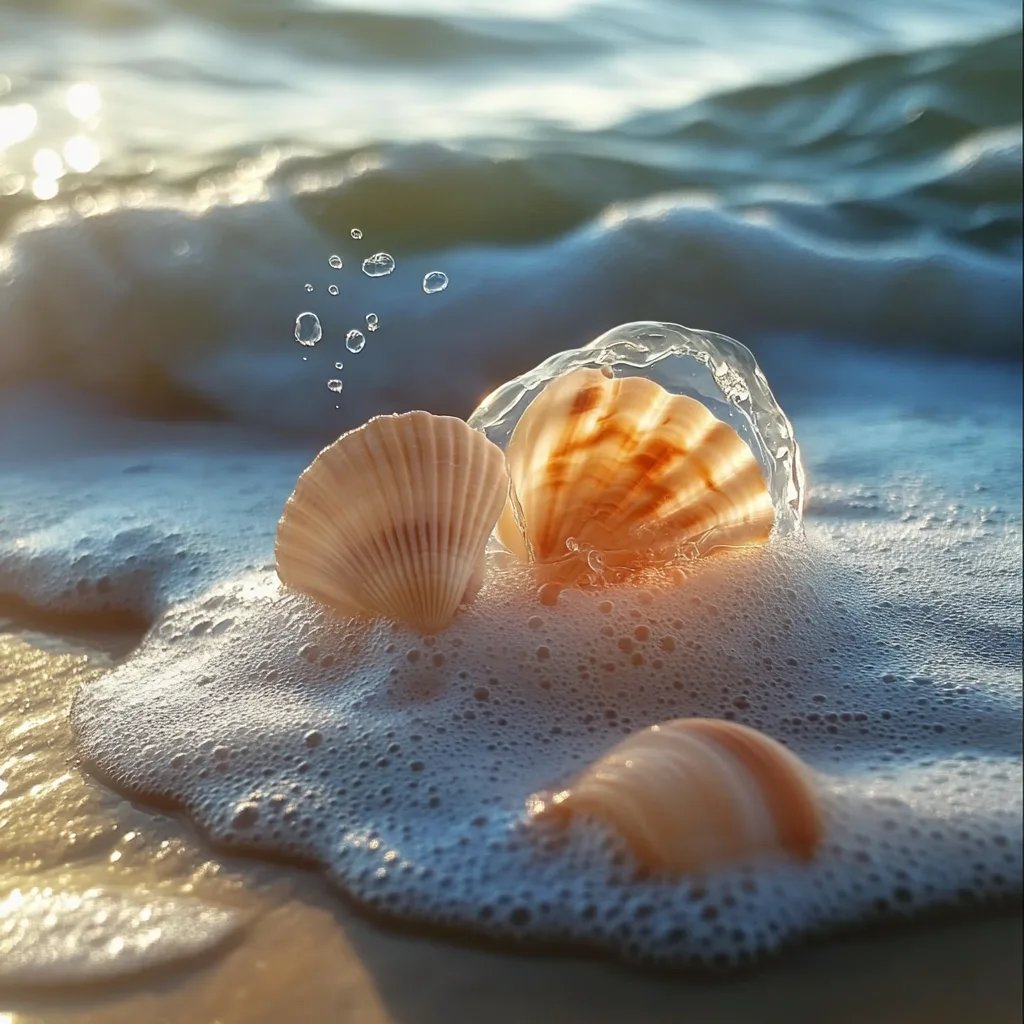
Seashell dissolving experiment is a fascinating way to engage with the natural world. This incredible experiment reveals the effects of acid on calcium carbonate found in seashells. As you observe, you will see how these beautiful oceanic formations react to different solutions. Not only is this experiment educational, but it’s also a lot of fun, making it perfect for classrooms, science fairs, or even family bonding time.
The importance of understanding the chemistry behind seashells cannot be overstated. As we explore ocean life and ecosystems, knowing how seashells are formed and how they can change in different environments is vital. By conducting this experiment, you will grasp the scientific principles, including concepts of solubility, reaction rates, and ecological impacts. It provides a hands-on learning experience that is both interactive and informative.
If you've ever been curious about the chemistry of the ocean, this experiment opens a window to understanding the vital role that seashells play in marine ecosystems. It highlights not only the beauty of these natural wonders but also their vulnerability. The insights you'll gain from this experiment can lead to deeper discussions about environmental conservation and the effects of pollution on marine life.
In this guide, we’ll break down everything you need to know about the seashell dissolving experiment. From preparation time to procedures and potential outcomes, you'll find comprehensive information to help you create an engaging learning experience. Whether you’re a teacher, a parent, or simply a curious individual, you’ll discover why this experiment is essential for understanding marine science.
Why You’ll Love This Experiment
The seashell dissolving experiment is not just a fun activity; it is a learning experience that resonates with people of all ages. Here’s why you will be excited to dive into this experiment:
- Visual Transformation: Watching seashells change is captivating. The observable effects of acid on shells provide immediate and profound insight into chemical reactions.
- Easy to Execute: This experiment requires simple materials that are easy to gather, making it highly accessible for anyone interested in science.
- Educational Value: The experiment teaches important lessons in chemistry, biology, and environmental science. It encourages critical thinking and inquiry.
- Interactive Learning: It fosters hands-on participation, allowing observers to engage directly with the experiment and its outcomes.
- Promotes Environmental Awareness: By studying the effects of chemicals on seashells, participants gain a greater understanding of marine conservation and the importance of preserving ocean ecosystems.
- Flexible Learning Styles: Whether you're a visual learner, a hands-on experimenter, or someone who enjoys observing results, this experiment caters to various learning styles.
With these appealing aspects, it's no wonder that the seashell dissolving experiment is a favorite among science educators and students alike. It embodies the spirit of discovery that comes from exploring the world around us.
Preparation and Cooking Time
The total time for the seashell dissolving experiment varies based on individual setups but generally allows for flexibility. Here’s a breakdown of the activities involved:
- Preparation Time: 15-20 minutes
- Observation Time: 30 minutes to several hours (depending on the reaction)
- Cleanup Time: 10-15 minutes
This framework ensures you have a clear idea of the time commitment for the entire experiment, making it easy to plan and execute effectively.
Ingredients
- Seashells (variety of types, such as calcite or aragonite)
- Vinegar (acetic acid)
- Baking soda (optional for a comparison reaction)
- Clear plastic cups or glass containers
- Marker (for labeling containers)
- Eye droppers (for more precision)
- Safety goggles (for protection)
Step-by-Step Instructions
Conducting the seashell dissolving experiment is straightforward. Follow these steps for a successful and enlightening experience:
- Gather Materials: Collect all the necessary materials listed above.
- Set Up Workspace: Choose a clear, flat surface to conduct the experiment. Make sure to protect the area, especially if using vinegar, which can stain.
- Label Containers: Use a marker to label each container with different solutions (e.g., "Vinegar" and "Water").
- Add Seashells: Place one or two seashells in each container. Observe and note their appearance initially.
- Add Acid: Pour vinegar into the container labeled "Vinegar" until the seashells are submerged. Observe the immediate reaction.
- Conduct Control: If desired, fill another container with water only and place seashells in that for comparison.
- Observation: Allow the seashells to sit in the vinegar and water for varying durations. Record changes in both containers over time.
- Compare Results: After the observation period, compare the effects seen in both the vinegar and water. Discuss why the shells reacted as they did in each solution.
- Optional Step: For further exploration, add baking soda to the vinegar and observe the reaction. Note the fizzing reaction and its relevance to acid-base chemistry.
- Cleanup: Dispose of the materials responsibly. Clean your workspace to avoid any residues from the materials used.
Following these steps will ensure a thorough and engaging seashell dissolving experiment, allowing you to see the chemistry unfold before your eyes.
How to Serve
Presenting results from the seashell dissolving experiment can enhance learning for everyone involved. Here are some ideas for how you can effectively serve the insights gained from your observations:
- Discussion Session: Gather participants to discuss their observations. Encourage them to share what they noticed and how it relates to chemistry concepts.
- Visual Representation: Create a display or poster with images of the seashells before and after the experiment, summarizing findings.
- Follow-Up Activities: Consider launching follow-up activities, such as researching different types of seashells or the impact of ocean acidity on marine life.
- Write Observations: Encourage participants to keep a science journal recording their procedures and observations for review.
- Experiential Learning: If possible, arrange a field trip to a beach or marine center to further explore marine biology and similar ecosystems.
By thoughtfully guiding the presentation of results, you create a lasting impact and enhance understanding, making the seashell dissolving experiment a memorable experience.
Additional Tips
- Safety First: Always wear safety goggles when handling acids to protect your eyes.
- Optional Measurements: If you want more precise measurements, consider using a digital scale for the seashells and solutions.
- Document Your Experiment: Keeping a journal of your observations and reflections encourages better understanding and retention of the concepts learned.
- Engage All Senses: While observing, take notes on the sounds and any smells. This multi-sensory approach aids memory and curiosity.
- Use Different Shell Types: Experiment with a variety of seashells to see if their composition affects the dissolution rates.
Recipe Variation
You can add your own twist to the seashell dissolving experiment with these variations:
- Different Acids: Instead of vinegar, explore the effects of lemon juice or soda, analyzing the outcomes of each on seashell dissolution.
- Temperature Effects: Conduct the experiment with vinegar at different temperatures—room temperature, warm, and cold—to observe how it affects the reaction rate.
- Colorful Experiment: Add food coloring to vinegar for a visually engaging study while monitoring the seashell reactions.
Freezing and Storage
- Storage: As the seashell dissolving experiment involves substances like vinegar, the materials don't last long. Dispose of them responsibly after use.
- No Freezing Needed: Since this experiment is designed for immediate observation, there’s no need to freeze or store materials.
Special Equipment
While the seashell dissolving experiment is straightforward, here’s a quick list of essential tools you might require:
- Measuring Cups: For accurately measuring liquids like vinegar and water.
- Stopwatch or Timer: To track the observation times effectively.
- Camera or Smartphone: To document the changes in seashells for analysis and discussion.
Frequently Asked Questions
What types of seashells work best for this experiment?
You can use a variety of seashells, but those made of calcium carbonate, like clams and oysters, will show more significant reactions.
How can I make this experiment more advanced?
Consider conducting pH tests of the solutions before and after the experiment to further explore the effects of acid on calcium carbonate.
Is it possible to do this experiment with young children?
Yes! With adult supervision, children can safely observe the reactions and learn about chemical processes.
What should I do if there is no noticeable reaction?
If there is minimal reaction, try using fresher seashells or ensuring that your vinegar is potent enough.
Can I repeat the experiment multiple times?
Absolutely! Repeating the experiment with variations can deepen understanding and provide richer insights.
Conclusion
The seashell dissolving experiment is not only an exciting way to learn about chemistry but also an important exploration of marine life. Through observing the interactions between seashells and acidic solutions, participants gain a greater appreciation for natural ecosystems and the delicate balance within them. This hands-on approach cultivates curiosity and promotes critical thinking, making it an invaluable resource for educators and families alike. Engage with the process, share your findings, and inspire discussions around conservation, chemistry, and the wonders of the ocean.