Potion Experiment for Kids: An Amazing Ultimate Guide with 5 Fun Recipes
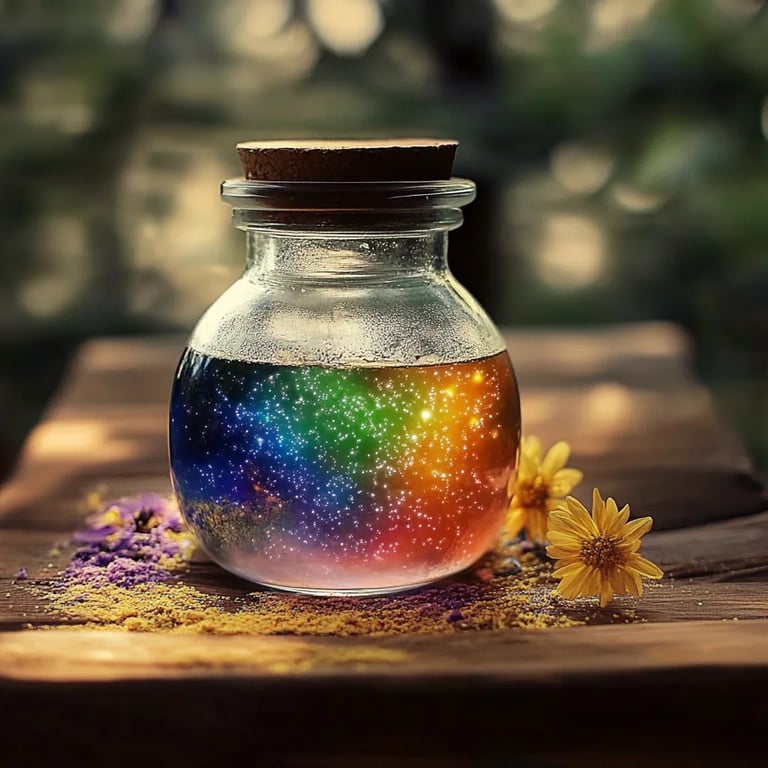
Potion Experiment for Kids is a delightful way to spark creativity and ignite curiosity in young minds. Whether your child is a budding scientist or just loves magic, this collection of potion recipes is sure to enchant. Each experiment offers not only a hands-on science lesson but also a chance to explore colors, reactions, and the principles of chemistry in a safe and fun atmosphere.
Making potions can be an incredible bonding activity for the family. It encourages teamwork and inquisitive minds. With simple, household ingredients, your young wizards can concoct bubbling brews right in your kitchen. The joy on their faces as they watch these potions fizz, change color, or surprise them with unexpected outcomes is truly wonderful. This guide will walk you through the essentials of potion experimentation, why these recipes are fantastic fun, and the steps to create each one.
In this article, you’ll find five exciting potion recipes designed specifically for kids. Each one has been tested to ensure safety and ease of preparation. Parents can rest easy knowing these projects are not only fun but educational, providing brilliant opportunities to learn about chemical reactions, colors, and measurements. Let's dive into the magical world of potion making!
Why You’ll Love This Recipe
Potion experiments for kids are not just about mixing colorful liquids. They provide educational experiences wrapped in exciting activities. Here’s why you will love these fun and engaging potion recipes:
- Educational Value: Each potion teaches basic science concepts such as chemical reactions and measurements.
- Easy to Prepare: Most ingredients can be found at home; there’s no need for special trips to the store.
- Safe and Non-Toxic: With careful supervision, all experiments are kid-friendly and safe.
- Creative Expression: Kids can create their own magical stories or characters to go along with their potions.
- Encourages Problem Solving: Experimentation fosters critical thinking as kids predict outcomes and test hypotheses.
These factors make potion experiments a wonderful addition to your child’s educational journey while having an amazing time!
Preparation and Cooking Time
Preparing potion experiments for kids can be quick and enjoyable. Here's how long each potion generally takes:
- Preparation Time: 10 to 15 minutes for setup and gathering materials.
- Experiment Time: Each potion will take about 15 to 30 minutes, depending on the complexity of the recipe.
Overall, expect to spend around 30 to 45 minutes on each potion recipe, allowing for experimentation and cleanup.
Ingredients
These potion recipes utilize simple ingredients that are commonly found at home or in stores. Here’s a list of the essential ingredients required for each potion experiment:
Basic Ingredients for All Potions
- Water
- Baking soda
- Vinegar
- Food coloring (various colors)
- Dish soap
- Cornstarch
- Glitter (optional)
- Salt (for the volcano potion)
Specific Ingredients Depending on the Potion
- Essential oils (for scented potions)
- Fruit juice (for color and fragrance)
- Instant coffee or cocoa powder (for dark potions)
- Honey or syrup (for sweetness and texture)
Having these ingredients on hand will make for a smooth and magical potion-making experience!
Step-by-Step Instructions
Here are five enchanting potion experiments that kids will enjoy creating:
1. Magic Volcano Potion
- In a small plate, add 1/2 cup of baking soda.
- Add a few drops of dish soap for a bubbly effect.
- Pour in 1/2 cup of vinegar and watch the eruption!
- Optionally, add food coloring to create lava in different colors.
2. Color-Changing Potion
- Fill a clear cup with warm water.
- Dissolve 1 tablespoon of baking soda in the water.
- Dip a piece of paper towel in vinegar and hold it above the colored liquid for a few seconds.
- Watch as the color transforms due to the chemical reaction!
3. Glittering Magic Potion
- In a jar, mix 1 cup of water with 1/4 cup of baby oil.
- Add a few drops of food coloring.
- Sprinkle in a handful of glitter for sparkle.
- Seal the jar and shake to create a glowing potion.
4. Scented Potion
- Combine 1 cup of water with 1 tablespoon of cornstarch in a bowl.
- Stir until the mixture thickens; this will be your base.
- Add a few drops of essential oils or fruit juice for scent.
- Pour the mixture into a small jar for a pleasant potion to keep.
5. Fizzy Potion
- In a cup, mix 1/4 cup of vinegar with 1/4 cup of warm water.
- Stir in one teaspoon of baking soda slowly.
- Watch the fizzing reaction occur and bubbles rise!
- Optionally, add food coloring for visual fun.
These experiments are straightforward and offer opportunities for hands-on learning and exploration.
How to Serve
To make potion experiments even more enjoyable for kids, consider these tips when serving the magical concoctions they created:
- Creativity in Presentation: Use fun jars, beakers, or bottles to display the finished potions.
- Theming: Create themed potion names for each experiment, like "Dragon's Breath" or "Fairy Elixir.”
- Tasting Experience: For safe potions, consider allowing kids to taste the concoctions they made, especially the scented ones, which may include fruit juice.
- Storytime: Incorporate a storytelling session where kids can describe the origins of their potions and their magical powers.
- Potion Labels: Create custom labels for each potion to enhance the charm and excitement of their creations.
With these serving suggestions, your potion-making experience will transform into an unforgettable adventure, bringing excitement and joy while fostering learning. Enjoy the magical journey into potion experimentation with your kids!
Additional Tips
- Observe Closely: While the experiments are simple, maintaining supervision can enhance safety and provide opportunities for discussions.
- Encourage Discussion: Ask questions during the experiments to critical thinking. Discuss what the kids observe and why they think reactions occur.
- Document the Process: Have kids write down their potion recipes and results. This adds a learning element and can inspire future experiments.
- Theme Your Experiment Days: Turn potion-making days into themed events. You could create a “Wizards and Witches” day or a “Science Fair” to make it more engaging.
- Dress the Part: Provide fun costumes or accessories for kids to wear while making potions, enhancing the magical experience.
Recipe Variation
Here are a few ideas for variations on the potion experiments:
- Color Mixing Experiment: Use different food coloring combinations to explore how colors blend in water.
- Potions with Natural Elements: Incorporate leaves, flowers, or herbs for kids to create potions that look and smell different, allowing for more sensory exploration.
- Edible Potions: Create potions using fruit juices and carbonated water for a refreshing drink that doubles as a potion.
- Sound Effects: Use sound effects or background music that fits a theme to enhance the atmosphere during potion-making.
- Magnetic Slime Potion: Mix iron filings or magnetic powders into a slime base for a unique potion that can be manipulated with magnets.
Freezing and Storage
- Storage: Since potion experiments are primarily made with food-safe ingredients, it is best to use them fresh. If needed, store any leftover potion in a sealed container to prevent spills and contamination. Keep it in the refrigerator if it includes perishable items like fruit juice.
- Freezing: While most of the potions should be consumed immediately for enjoyment, if you create any edible potion, you can freeze them in ice cube trays. This method allows you to preserve the potion for a fun treat later on. Just ensure that they don't contain ingredients that spoil quickly.
Special Equipment
To make potion experiments run smoothly and enhance the experience, consider having the following equipment on hand:
- Clear cups or jars for mixing and presenting potions.
- Measuring cups and spoons for accurate ingredient portions.
- Spoons for stirring.
- Safety goggles (optional but fun) to give a "lab" feel to the experiment.
- Paper towels or old newspapers to cover surfaces and manage spills.
Frequently Asked Questions
Can I adapt the recipes for a larger group?
Yes! Simply multiply the ingredient amounts to accommodate the number of participants. Ensure you have enough materials for everyone to enjoy the experiments.
Are these potions safe to taste?
Most potions are safe to taste if they involve edible ingredients like fruit juices and food coloring. However, be sure to read the ingredients before tasting. Always supervise kids during the tasting.
How do I make a potion fizz more?
Increase the amount of vinegar or baking soda in the fizzing potion recipes. Just be cautious not to go overboard, as it might create a mess!
What if I don't have one of the ingredients?
Substitutes can often be found at home. For instance, use different colors of food coloring or swap out vinegar for lemon juice in some experiments. Always get creative!
What age group is suitable for these experiments?
These potion experiments are perfect for children ages 5 and up. Younger children may need more direct supervision, while older kids can work independently with guidance.
Conclusion
Potion Experiment for Kids provides a magical blend of fun and education. Engaging in these potion-making activities not only nurtures creativity but also encourages scientific understanding. With simple ingredients and straightforward instructions, families can embark on an exciting journey of exploration and learning. So gather the supplies, invite curious minds, and let the potion crafting begin. It’s time to mix, bubble, and create unforgettable memories!