Playdough and Slime Mortar: An Amazing Ultimate Guide with 7 Tips
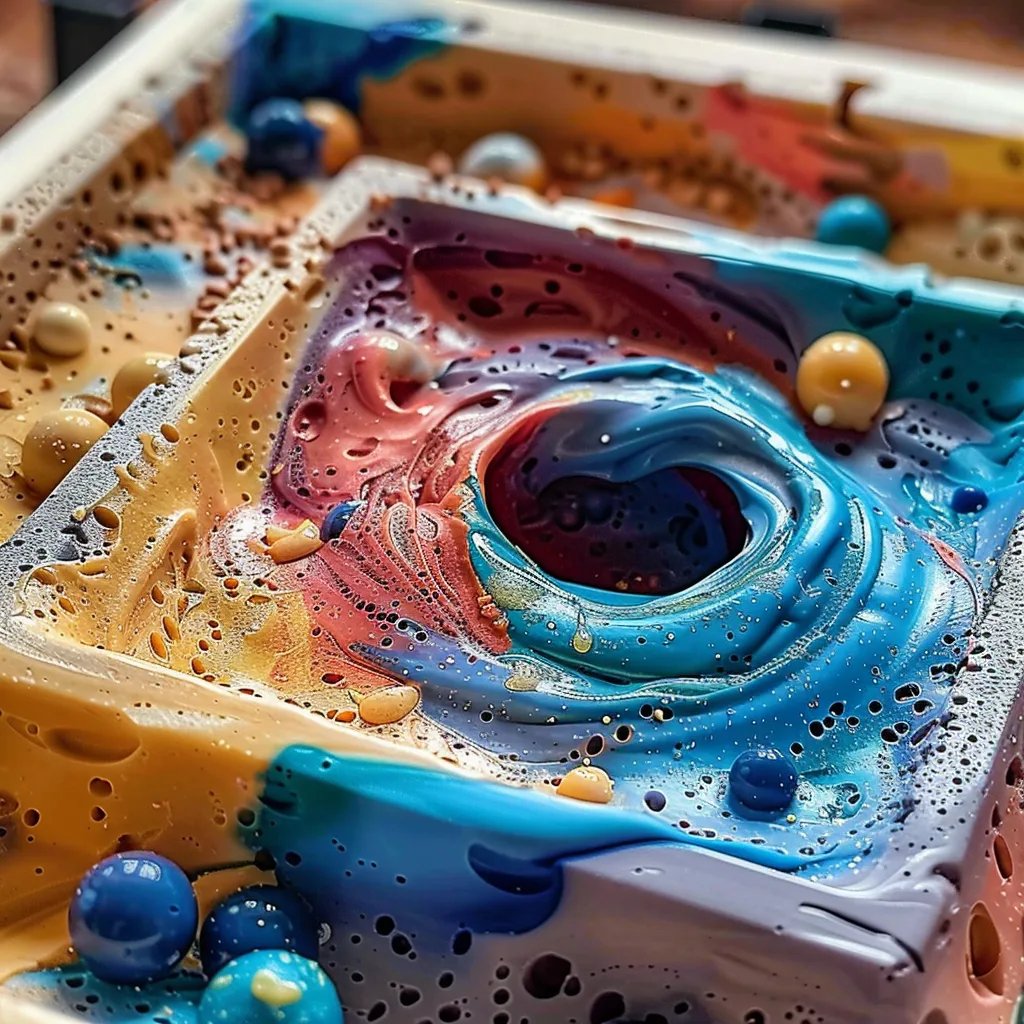
Playdough and slime mortar is an incredible DIY project that merges creativity and fun! It has gained popularity for its unique texture and vibrant colors, making it a favorite among kids and adults alike. If you’re looking for a hands-on activity, crafting playdough and slime mortar is an ideal choice. This engaging process allows you to explore different textures while having a blast. Even more, it’s a fantastic sensory experience that can be both educational and entertaining.
Imagine the joy on your child’s face as they knead their very own playdough and slime mortar. They can develop fine motor skills and unleash their creativity while creating shapes, colors, and figures. As someone who enjoys crafting, you’ll appreciate the process of mixing ingredients into gooey, colorful fun. Let’s dive into why you’ll love this recipe and how to make the best playdough and slime mortar for your creative endeavors!
Why You’ll Love This Recipe
Making playdough and slime mortar is more than just a simple activity; it’s an opportunity to explore creativity at its finest! Here are several reasons why you’ll fall in love with this DIY project:
- Simple Ingredients: The recipe requires common household items that you likely already have at home.
- Endless Creativity: Children and adults can customize colors, scents, and textures, creating infinite possibilities.
- Educational Value: Kids learn about mixing, measuring, and the science of transformations in a fun way.
- Sensory Play: Engaging with playdough and slime mortar provides a delightful tactile experience.
- Affordable Fun: This project is budget-friendly, allowing for large batches without breaking the bank.
- Family Bonding: Crafting together serves as a wonderful bonding experience, promoting teamwork and collaboration.
- Storage Benefits: Homemade playdough and slime mortar can be stored for future use, extending the fun.
With these advantages, it’s no wonder families everywhere are eagerly creating their versions of playdough and slime mortar.
Preparation and Cooking Time
Creating playdough and slime mortar is quick and straightforward. Here’s a breakdown of the time you’ll need for this delightful project:
- Preparation Time: 15 minutes
- Mixing Time: 10 minutes
- Cooling Time: 5-10 minutes if needed (for slime)
- Total Time: Approximately 35 minutes
The total time may vary slightly based on your experience and the specific variety of playdough or slime mortar you’re making. Let's get started!
Ingredients
For Playdough:
- 2 cups all-purpose flour
- 1 cup salt
- 2 tablespoons cream of tartar
- 2 tablespoons vegetable oil
- 2 cups water
- Food coloring (various colors)
For Slime:
- 1 cup school glue (white or clear)
- 1 cup water
- 1 tablespoon baking soda
- 1-2 teaspoons contact lens solution (for activation)
- Food coloring (various colors)
Step-by-Step Instructions
Making Playdough
- Combine Dry Ingredients: In a large bowl, mix the flour, salt, and cream of tartar together.
- Add Wet Ingredients: Stir in the water and vegetable oil until well combined.
- Cook the Mixture: Transfer the mixture to a saucepan over medium heat. Stir continuously to avoid lumps.
- Knead the Dough: Once the dough thickens and pulls away from the edges, remove it from the heat. Allow it to cool slightly, then knead it for 2-3 minutes until smooth.
- Add Color: Divide dough into portions. Add a few drops of food coloring to each portion and knead until the color is evenly distributed.
Making Slime
- Mix Glue and Water: In a separate bowl, combine the school glue and water. Stir to combine well.
- Add Baking Soda: Add the baking soda to the glue mixture and stir until dissolved completely.
- Activate the Slime: Gradually add the contact lens solution, mixing continuously. The slime will begin to form and can be kneaded with your hands.
- Add Color: If desired, add food coloring to the slime and knead until fully colored.
The process of creating both playdough and slime mortar is simple and allows room for personalization and creativity.
How to Serve
Once your playdough and slime mortar is ready, you can create fun and exciting activities to enjoy! Here are some great ideas on how to serve this playful mixture:
- Creative Stations: Set up a crafting station with various tools like cookie cutters, molds, and rolling pins for endless possibilities.
- Themed Projects: Encourage imagination by choosing a theme for the day, such as making animals, imaginary worlds, or characters from stories.
- Sensory Bins: Incorporate your playdough and slime mortar into sensory bins filled with rice, beans, or other textures for added fun.
- Art Projects: Use the playdough and slime for mixed media art. Create sculptures or add to paintings for dynamic textures.
- Interactive Games: Challenge friends and family to see who can create the best figure or structure in a timed contest.
- Play Dates: Invite friends over and have a playdough and slime-making session; it’s perfect for social gatherings and educational play.
- Storage Ideas: Store leftover playdough in airtight containers to keep them fresh for future play, and encourage kids to create frequently!
By exploring these serving methods, you’ll ensure that playdough and slime mortar becomes a favored pastime for everyone involved. It’s all about unleashing creativity while having the time of your life!
Additional Tips
- Experiment with Colors: Playdough and slime mortar can be customized with various hues. Use food dyes, glitter, or even natural dyes from fruits and vegetables for vibrant results.
- Safe Storage: Always store your playdough and slime in airtight containers. This helps to maintain their texture and prevents them from drying out.
- Non-Toxic Additions: For extra fun, you can incorporate items like googly eyes, beads, or foam shapes into your slime or playdough for more engaging sensory play.
- Supervise Younger Children: While making playdough and slime is fun, always keep an eye on younger kids, as some ingredients may pose risks if ingested.
- Use Baby Oil for Luxurious Slime: A small amount of baby oil added to your slime can enhance its texture and make it stretchier.
- Cleanup Tips: To make cleanup easier, lay down a plastic tablecloth or newspaper. This helps contain any mess before it happens.
- Experiment with Textures: Alter the playdough and slime's consistency by adding cornstarch or flour for a thicker feel, or water for a stretchier slime.
Recipe Variation
Feel free to mix and match with these variations to keep the fun alive:
- Glow-in-the-Dark Slime: Add glow-in-the-dark powder when mixing your slime for a magical nighttime experience.
- Scented Playdough: Incorporate essential oils or flavor extracts such as vanilla or lemon to create delightful aromas in your playdough.
- Edible Slime: For a sensory experience that is also safe to eat, consider making edible slime using marshmallows, cornstarch, and confectioner’s sugar.
- Texture Mixing: Incorporate textured materials such as sand or small beads into playdough for a more hands-on sensory feel.
- Seasonal Themes: Change your colors and scents with the seasons—think pastel colors and floral scents in spring, or orange and cinnamon for fall!
Freezing and Storage
- Storage: You can keep your playdough and slime mortar in airtight containers at room temperature for about 1-2 weeks without losing their freshness.
- Freezing: For longer storage, you can freeze both playdough and slime. Make sure to seal them tightly in freezer bags. They can last up to 3 months in the freezer. Allow to thaw naturally before use.
Special Equipment
Here are a few essential tools to help you make the best playdough and slime mortar:
- Mixing Bowls: Use large mixing bowls for combining ingredients without spills.
- Saucepan: A medium saucepan is essential for cooking the playdough mixture.
- Spoons and Spatula: Have spoons and spatulas handy for mixing and transferring dough and slime.
- Measuring Cups and Spoons: Accurately measure your ingredients for best results.
- Air-Tight Containers: These will help store your creations and keep them fresh.
Frequently Asked Questions
Can I make playdough without cream of tartar?
Yes, you can omit cream of tartar, but it helps make the playdough smoother. A substitute is baking powder, though it might change the texture slightly.
How long does homemade slime last?
If stored properly in an airtight container, homemade slime can last anywhere from 1 week to several months, depending on its ingredients and storage conditions.
Is this project safe for all ages?
While most ingredients are non-toxic, always supervise younger children. Some children may be sensitive to certain components, like food coloring.
Can I use alternative flours for playdough?
Yes, you can experiment with alternative flours, such as gluten-free blends, but note that the texture and consistency may differ.
Why does my slime feel sticky?
If your slime is sticky, add a bit more contact lens solution to activate it properly and reduce stickiness.
Conclusion
Creating playdough and slime mortar is a fantastic way to express creativity and engage in sensory play. With simple ingredients and easy-to-follow steps, this activity can be both fun and educational for all ages. By trying out various techniques, adaptations, and serving methods, you can ensure a memorable experience that encourages bonding and exploration.