Lemon Volcano Experiment: An Incredible Ultimate Guide to 7 Amazing Steps
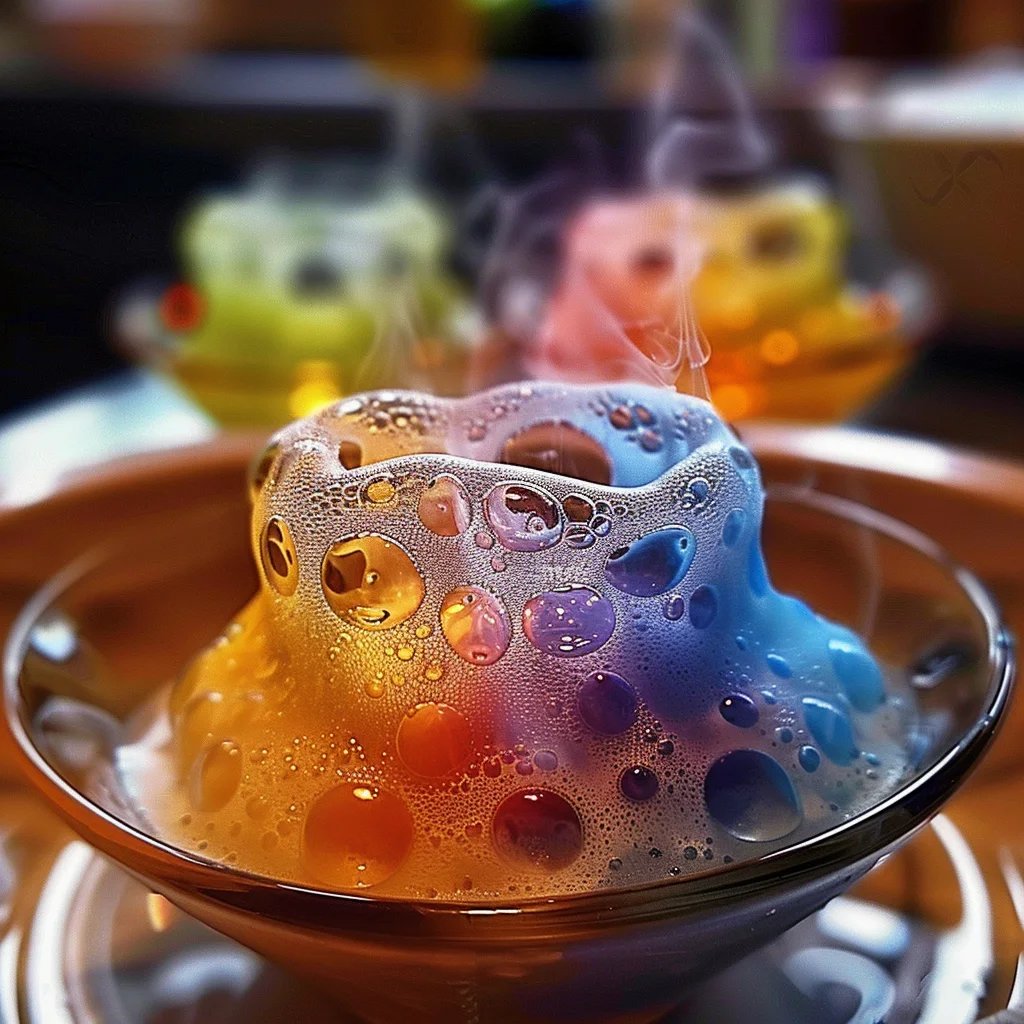
Lemon Volcano Experiment is a delightful and enlightening activity that combines science and fun. This engaging project is perfect for kids, educators, and anyone seeking to explore chemistry while enjoying the zesty flavor of lemons. Imagine watching a fizzy eruption right in your kitchen, all while learning about acidity, bases, and chemical reactions. This experiment not only sparks curiosity but also nurtures a love for science through hands-on learning.
In this guide, you'll discover how a simple lemon can become the centerpiece of a spectacular demonstration, captivating the attention of both young scientists and their audiences. The Lemon Volcano Experiment involves creating a volcano-like eruption using basic materials, making it accessible for families and classrooms alike. Whether you're planning a science fair project or just an afternoon of fun at home, this experiment promises a wonderful mix of education and excitement.
The journey begins with the selection of lemons, which serve as the perfekte base for this experiment. The light yellow hue and fresh aroma invite you to break open the fruit and explore its contents. As the reaction unfolds, you'll witness vibrant colors and bubbling continuations that truly resemble a volcanic eruption. Not only does this experiment provide visual amazement, but it also teaches essential scientific principles such as reaction types and states of matter.
As you navigate through the steps below, you'll find that the Lemon Volcano Experiment is not just about the eruption. It's about sparking interest, encouraging questions, and creating a learning environment filled with joy. Let’s get started on this incredible adventure into the world of chemistry!
Why You’ll Love This Recipe
The Lemon Volcano Experiment is beloved for multiple reasons, making it a must-try activity for science enthusiasts of all ages. Here's why you'll find it irresistible:
- Simple and Affordable Ingredients: Most materials needed for this experiment are readily available at home, making it budget-friendly.
- Engaging and Fun: Watching the volcano erupt provides excitement and presentation, perfect for home gatherings or classrooms.
- Educational Value: This experiment teaches chemical reactions, acid-base interactions, and scientific reasoning.
- Safe for Kids: With supervision, children can participate safely, promoting teamwork and cooperation.
- Quick Setup and Cleanup: The experiment can be assembled in under 30 minutes, and cleaning up is straightforward.
- Interactive Learning: Encourages hands-on experimentation, discussions, and observations, making science come alive.
These reasons contribute to making the Lemon Volcano Experiment a universally enjoyable activity that brings families and educators together in the name of fun and learning!
Preparation and Cooking Time
Preparation for the Lemon Volcano Experiment is quick and simple. Here’s a quick overview of the time you'll need:
- Preparation Time: 15 minutes
- Experiment Duration: 10 minutes
- Total Time: 25 minutes
These timelines ensure that you can quickly execute the experiment while allowing ample time for observation and discussion afterward.
Ingredients
- 2 lemons
- 1 teaspoon baking soda
- Food coloring (various colors for added effect)
- A small dish or tray to catch the overflow
- Measuring spoons
- A knife
- A small spoon for scooping
- Water
Step-by-Step Instructions
Creating your Lemon Volcano is a straightforward process. Follow these steps to witness an eruption you’ll never forget:
- Prepare the Lemons: Take the two lemons and cut a small slice off the bottom of each one to create a stable base. Be careful not to cut too far; just enough to help them stand upright.
- Hollow Out the Lemons: Use a small spoon to scoop out some of the lemon pulp inside, leaving enough juice to create the eruption.
- Add Baking Soda: Place 1 teaspoon of baking soda into the hollowed-out part of each lemon. This will be the base of your volcano reaction.
- Add Food Coloring: Squirt a few drops of food coloring into each lemon. This will add vibrant colors to the erupting mixture.
- Prepare the Eruption Dish: Set the lemons on a small dish or tray to catch any spills that occur during the reaction.
- Add Water: Pour a small amount of water into the lemons. This will help activate the baking soda and begin the reaction.
- Watch the Eruption: Step back and watch as the baking soda reacts with the lemon juice, creating a fizzy volcanic eruption!
Make sure to observe the reactions carefully, noting the colors and bubbling effects as they unfold. It’s an incredible scientific phenomenon you won’t want to miss!
How to Serve
Now that you've conducted the Lemon Volcano Experiment and enjoyed the eruptions, consider these tips for serving and sharing the experience:
- Group Discussion: Gather everyone around to discuss what occurred during the experiment. Encourage them to ask questions about the scientific principles behind the reactions.
- Hands-on Exploration: Allow participants to feel the ingredients and understand their properties. Touching and smelling the lemons reinforces learning.
- Capture the Moment: Take pictures or videos of the eruption to share with family or friends. This keepsake can be educational and a lot of fun!
- Expand the Experiment: Use this opportunity to introduce other variations. You can experiment with other fruits, such as oranges or limes, or try changing the amounts of baking soda and water for different effects.
- Make It a Challenge: Engage participants in a challenge to see whose lemon volcano creates the largest eruption. This adds a competitive element to the fun!
- Cleanup: After all the excitement, involve everyone in cleaning up. It’s an excellent way to wrap up the activity and teach responsibility.
By following these serving suggestions, you’ll ensure that the fun and learning continue well beyond the eruption of your Lemon Volcano!
Additional Tips
- Supervise Children: Always ensure children are supervised during the experiment, especially when handling tools like knives or when pouring water.
- Experiment with Quantities: You can adjust the amount of baking soda to see how it affects the eruption. More baking soda may lead to a larger reaction!
- Prepare a Science Journal: Encourage participants to note observations in a journal. This helps with scientific reasoning and retention.
- Incorporate Art: Post-experiment, allow participants to draw what they witnessed during the eruption. This mixes creativity with science.
- Discuss Real Volcanoes: Use this activity as a bridge to talk about real volcanic activity and geology.
Recipe Variation
Feel free to get creative with your Lemon Volcano Experiment! Here are some variations:
- Use Other Citrus Fruits: Try substituting lemons with limes or oranges to see how the reactions differ.
- Add Glitter: Make your eruption sparkle by adding some edible glitter to the mixture for a fun visual effect.
- Different Acid-Base Reactions: Experiment with vinegar and baking soda for a more traditional volcano effect, utilizing different acids.
Freezing and Storage
- Storage: The ingredients for the Lemon Volcano Experiment are best used fresh. However, if you have leftover lemons, store them in the refrigerator to keep them fresh.
- Freezing: Although not necessary for this experiment, if you have leftover baking soda or food coloring, they can be stored in a cool, dry place for future use.
Special Equipment
While this experiment is simple, here are some essential tools to help execute it successfully:
- Citrus Juicer: If you want to extract more juice from the lemons without waste.
- Measuring Spoons: To ensure accurate measurement of baking soda and water.
- Plastic Squeeze Bottles: For precise food coloring application, especially if you want controlled drops.
- Safety Goggles: Encourage wearing them for fun and as a safety precaution during the reaction.
Frequently Asked Questions
Can I customize the colors of the eruption?
Yes! Using various food coloring can create vibrant, multi-colored eruptions.
Is this experiment suitable for all age groups?
Absolutely! While younger children will need assistance, older kids can handle most parts of the experiment independently.
What happens if I use too much baking soda?
Using an excessive amount will create a dramatic eruption but could also lead to a messy cleanup. Moderation is key!
Can I repeat the experiment with the same lemons?
It's best to use fresh lemons for each experiment to achieve the best reaction.
How can I explain the scientific principles to kids?
Relate the experiment to real-world phenomena, like how volcanoes erupt due to gas buildup and pressure.
Conclusion
The Lemon Volcano Experiment is not just a fun and engaging activity; it's an excellent way to introduce important scientific concepts to children and adults alike. By combining the zestiness of lemons with simple household ingredients, this experiment captivates attention and ignites curiosity. Teaching through play, it serves as a fantastic tool for educators and parents.
Encouraging children to ask questions and observe their surroundings can foster a lifelong love for science. With countless variations and opportunities to learn, the Lemon Volcano Experiment offers an exciting gateway into the world of chemistry!