Jellyfish from Recycled Egg Cartons: An Amazing Ultimate Guide with 7 Steps
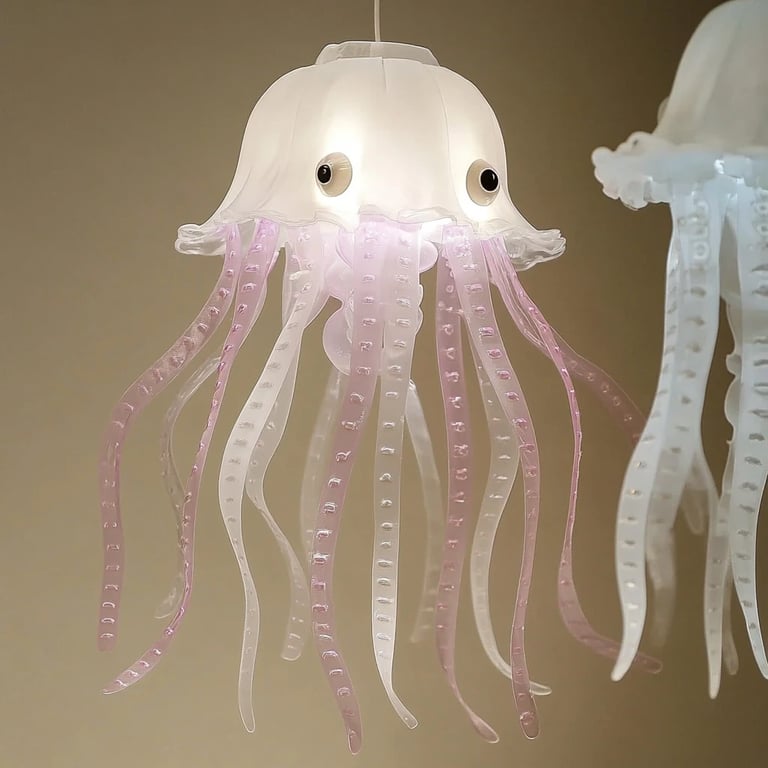
Jellyfish from recycled egg cartons is a remarkable way to add a touch of creativity to your art projects while promoting sustainability. This eco-friendly craft not only recycles materials but also provides an opportunity to explore the beauty of marine life through art. If you've ever marveled at the floating elegance of jellyfish, creating your own from egg cartons can be both fun and educational. This project allows children and adults alike to engage with environmental themes while exercising their artistic skills. You will find that making jellyfish out of recycled materials is not only easy but also an exciting way to inspire conversations about ocean conservation.
In today’s world, where plastic pollution is a pressing issue, opting for crafts that use recycled items helps raise awareness. By turning something as simple as an egg carton into a beautiful piece of art, you contribute to the larger effort of reducing waste. Plus, the tactile experience of crafting with your hands allows for a deeper connection with the materials. Making jellyfish from recycled egg cartons can lead to creativity, discussions about ocean habitats, and appreciation for aquatic life.
The materials you need for this activity are commonplace and inexpensive, making it accessible for everyone. This project can be done alone or in groups, perfect for classrooms, family gatherings, or community events. With the right guidance and approach, this craft can lead to incredible creations! Let’s dive deeper into the world of jellyfish crafts and explore why you’ll love this particular project.
Why You'll Love This Project
Creating jellyfish from recycled egg cartons is more than just an art project; it's a multifaceted experience. Here are several reasons why you'll enjoy making these charming crafts:
- Eco-Friendly – Utilizing materials that would typically go to waste is a fantastic way to promote sustainability.
- Easy to Make – This project requires minimal supplies and is easy to grasp, making it suitable for all ages.
- Educational Value – It provides an opportunity to learn about jellyfish and marine ecosystems.
- Creativity Unleashed – You can get as imaginative as you want with colors, textures, and designs.
- Bonding Experience – This craft is perfect for family time or educational workshops, fostering teamwork and creativity.
- Cost-Effective – Most materials are household items, which keeps costs low.
- Customizable – You can easily personalize each jellyfish to reflect individual styles or themes.
These factors come together to create a delightful crafting experience that is both enjoyable and meaningful. With this guide, you'll be ready to transform simple egg cartons into beautiful jellyfish that capture imagination!
Preparation and Crafting Time
Making jellyfish from recycled egg cartons is a straightforward process. It's essential to plan your time wisely. Here’s a breakdown of the estimated time required for this craft project:
- Preparation Time: 15 minutes
- Crafting Time: 30-45 minutes
- Drying Time: 15 minutes (for paint or glue)
This project can typically be completed in an hour, including the time needed for materials to dry. The duration may slightly vary depending on individual artistic speed and design complexity.
Ingredients
- Recycled egg cartons
- Scissors
- Paint (various colors)
- Paintbrushes
- String or yarn
- Googly eyes (optional)
- Glue (craft glue or hot glue gun)
- Glitter or other decorative materials (optional)
Step-by-Step Instructions
Creating jellyfish from recycled egg cartons involves a few simple steps. Follow this easy guide to make your jellyfish:
- Prepare the Egg Carton: Take an empty egg carton and cut it into sections with three or four cups each for jellyfish bodies.
- Paint the Bodies: Use paint to decorate the cups as desired. Choose colors like blues, pinks, and purples to mimic real jellyfish.
- Add Textures: If using glitter or other materials, sprinkle them on the wet paint for extra texture.
- Cut Tentacles: While the bodies are drying, cut narrow strips from the bottom of the egg carton or use string/yarn as the tentacles.
- Attach Tentacles: Once the bodies are fully dry, glue the strips of material onto the underside to create the jellyfish tentacles.
- Glue on Eyes: If you want to add googly eyes, glue them onto the bodies for a friendly appearance.
- Display Your Creation: Once everything dries, find a lovely place to display your jellyfish. They can hang from the ceiling or be placed on a shelf.
This step-by-step guide will lead you to create stunning jellyfish you can be proud of!
How to Serve
Displaying your jellyfish from recycled egg cartons can add a fun and whimsical element to your environment. Consider these ideas for showcasing your creations:
- Hanging Mobile: Use string to hang your jellyfish from the ceiling or in a window. This creates a beautiful floating effect.
- Centerpiece: Arrange several jellyfish in a large bowl or on a decorative tray to serve as an eye-catching centerpiece.
- Classroom Display: If created in a group, hang them around the classroom to celebrate creativity and raise awareness about ocean life.
- Themed Parties: Incorporate them into party decorations, especially for aquatic or ocean-themed events.
- Gift or Donate: Consider gifting some jellyfish to local schools or community centers to inspire others to create eco-friendly art.
Jellyfish made from recycled egg cartons are more than mere crafts; they are unique expressions of creativity and environmental consciousness. Enjoy this exciting project and let your creativity flow like ocean waves!
Additional Tips
- Be Creative: Experiment with different colors and designs. Use vibrant hues or add metallic paints for a unique look.
- Use Natural Materials: Incorporate natural items like shells, sea glass, or dried seaweed to enhance the ocean theme of your jellyfish.
- Safety First: If using hot glue, ensure that children are supervised. Optionally, use craft glue for safer handling.
- Adapt for All Ages: Tailor the complexity of the project to suit different age groups. Younger children can focus on simple designs, while older ones can create intricate details.
- Organize a Craft Day: Gather friends or family for a dedicated craft day. This not only enhances social bonds but makes the experience more enjoyable.
Recipe Variation
Consider these fun variations to elevate your jellyfish crafting experience:
- Glow-in-the-Dark Jellyfish: Use glow-in-the-dark paint for an exciting twist. Once the lights go out, watch your jellyfish shine!
- Character-Themed Jellyfish: Design jellyfish that resemble beloved characters from movies or books, enhancing engagement, especially for kids.
- Combined Craft: Integrate other recycled materials like plastic bottles or paper plates to create a more elaborate ocean habitat display.
- Seasonal Variations: Create jellyfish for holidays or seasons by adding themed colors or decorations, such as pastels for spring or warm tones for autumn.
Freezing and Storage
- Storage: Once completed, keep your jellyfish in a cool, dry place. Avoid areas with moisture to prevent degradation of materials.
- Display: You can store them in a clear container for protection while they are on display. This also helps to retain their artistic integrity.
- Longevity: These jellyfish crafts can last for years if kept away from direct sunlight and handled gently, making them great keepsakes.
Special Equipment
To successfully craft your jellyfish from recycled egg cartons, ensure you have the following tools:
- Scissors: For cutting the egg carton and tentacles.
- Paintbrushes: Different sizes allow for detailed painting.
- Hot Glue Gun or Craft Glue: For attaching tentacles and embellishments.
- Protective Cover: An old newspaper or a cloth to avoid mess while painting.
- Crafting Surface: A clean, flat area to work on, ensuring all materials are easily accessible.
Frequently Asked Questions
What type of paint is best for egg cartons?
Acrylic paint is ideal as it adheres well and dries quickly, but tempera paint is also an excellent choice for easier clean-up.
How can I make jellyfish more interactive?
Consider attaching strings to create movable jellyfish. This allows them to sway gently in the air, mimicking real jellyfish movement.
Can I use non-recycled materials?
While the focus is on sustainability, you can use non-recycled materials if you lack what’s necessary. The aim is to create and have fun!
How can I clean the crafting area?
A damp cloth or paper towel should suffice for cleaning paint spills. Always ensure to dispose of materials appropriately, especially excess glue or paint.
Are there any age restrictions for this project?
Not at all! This craft can be adapted for any age. Younger children will require more supervision, whereas older children and adults can experiment freely.
Conclusion
Crafting jellyfish from recycled egg cartons is an enchanting way to blend art, creativity, and environmental consciousness. With simple materials and easy instructions, this project can transform everyday items into stunning representations of marine life. Not only does it encourage creativity, but it also serves as an excellent educational experience about ocean ecosystems and sustainability. After completing this fun project, you’ll not only have beautiful jellyfish to showcase but also a meaningful conversation starter about recycling and conservation. Dive into this creative adventure and enjoy every moment of bringing your jellyfish to life!