How to Make the Rainbow Walking Water Experiment: A Guide for Crafting Enthusiasts
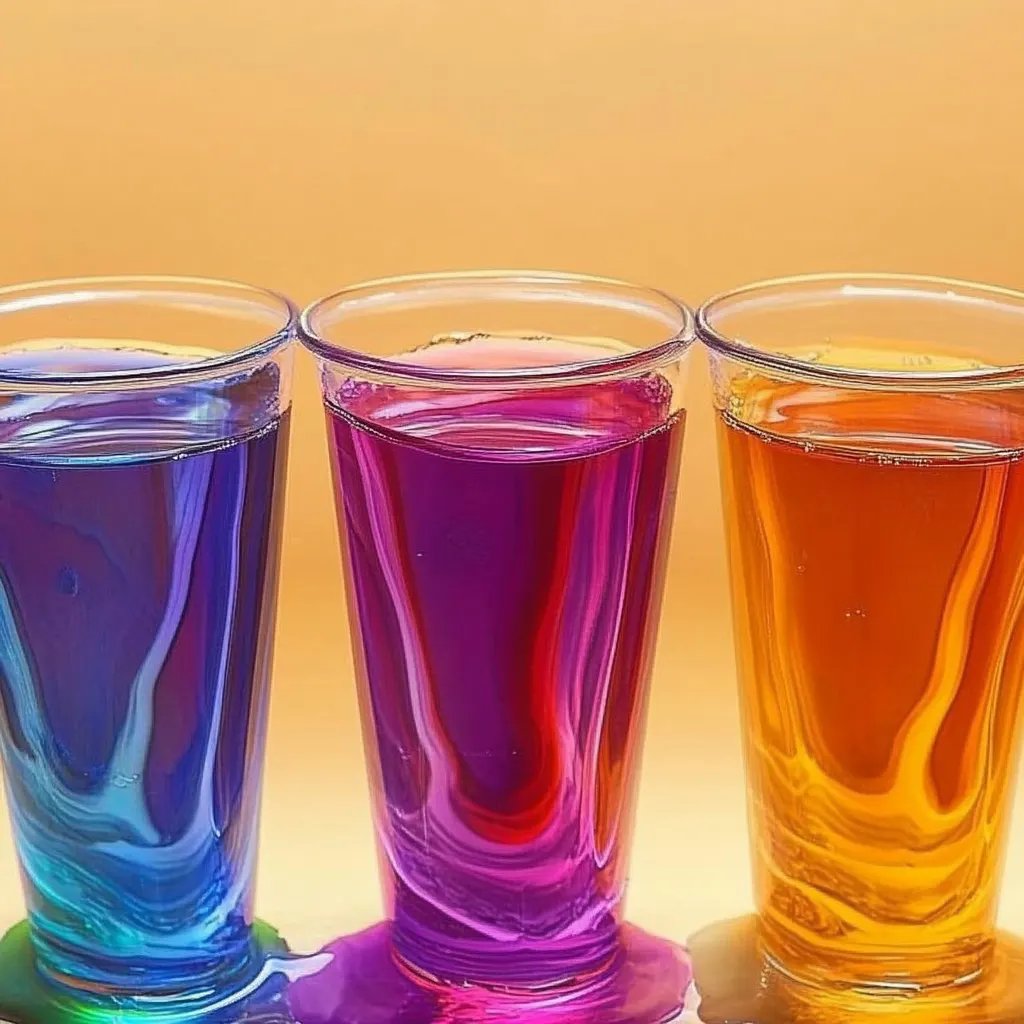
Hello fellow craft lovers! Today, I am thrilled to share with you one of my all-time favorite DIY science projects: the Rainbow Walking Water Experiment. This delightful activity combines the beauty of vibrant colors with a fascinating demonstration of capillary action. Think of it as a science experiment that looks as stunning as a work of art. It’s incredibly popular among parents and educators for its educational value, and it’s also perfect for home crafting sessions, birthday parties, or even simply a rainy afternoon fun with the kids.
Why Is the Rainbow Walking Water Experiment So Captivating?
The Rainbow Walking Water Experiment is a brilliant illustration of how water can move through various materials—an excellent hands-on way to teach kids about capillary action and color mixing. Children and adults alike are mesmerized as they watch colored water seemingly travel through paper towels like magic!
Whether you're an educator looking to engage your students or a parent wanting to spark creativity and curiosity in your children, this experiment is a winner. You won't just be making art; you'll be inspiring a love for science and discovery!
Materials You Will Need
Here’s a comprehensive list of the materials you’ll need for this experiment. I promise you this is a simple one, and many items are likely already in your home:
- Clear plastic cups (or glass cups) – 6
- Paper towels – 2 sheets
- Water – about 4 cups
- Food coloring – red, yellow, blue (or any colors you prefer)
- A large tray (to catch spills!!)
- A pair of scissors (for cutting the paper towels)
- Optional: A small spoon (for stirring)
Step-by-Step Guide
- Preparation of the Cups:
Start by arranging your six cups in a circle or a line on the tray. This is important because you want to create an easy pathway for the water to “walk” to. Leave the outer cups empty and fill the middle four cups halfway with water.
Tip: Use a measuring cup here for precision if you want to have the same amount in each cup.
- Coloring the Water:
Add a few drops of food coloring to each of the filled cups. Use a different color for each cup—red in one, blue in one, and yellow in another. If you want a green cup, fill one cup with blue and yellow water later on!
Why This Matters: The mixture of colors will create beautiful gradients as they move, which is a stunning visual effect. Don't skimp on food coloring; the more vibrant the colors, the more eye-catching your experiment will be!
- Create Your Bridges:
Take the paper towels and cut them into strips of about an inch wide and long enough to bridge the gap between the cups. You should have four strips since they will connect the cups together.
What Could Go Wrong: If the strips are too short, they won't touch the water in the neighboring cup properly, and interconnectedness is the key! Double-check their lengths!
- Connecting the Dots:
Place one end of a paper towel strip in a colored cup and the other end in an empty cup. Repeat this for all outer cups until they are all connected.
Tip: If you're using a tray, this step can get a bit messy, so placing it on a protective surface is wise!
- Watch the Magic Happen:
Now it’s time to sit back and relish the fruits of your labor. Almost immediately, you'll begin to see the water "walk" through the paper towels and into the neighboring cups. Give it about 30 minutes, and you will see the colors mixing beautifully in the outer cups!
What Could Go Wrong: If water is not traveling as expected, check your paper towel connections to ensure they are submerged in the colored water.
Troubleshooting Tips
- Slow Movement: Sometimes, the water takes longer to travel. If you find that water is not moving, check for dry spots in your paper towel strips which can block the flow. Make sure the paper towels are fully saturated.
- Overfilling: If you poured too much water in the cups, it could hinder the experiment. Aim for a half-full cup for optimal results.
Personal Anecdote
I still remember the first time I tried this experiment with my niece. Her eyes lit up with every color that appeared! We stood enchanted, planting ourselves like guardians of this watercolor marvel. That shared joy is what keeps me coming back to it, sparks of wonder in young minds—a priceless memory!
Creative Variations
Once you’ve mastered the basic Rainbow Walking Water Experiment, there are numerous variations to try:
- Different Colors: Experiment with other colors or even a secondary mixing cup to create custom hues.
- Glow-in-the-Dark Water: For nighttime magic, use glow-in-the-dark food coloring!
- Sliding Scale: Arrange colored cups in the order of the rainbow with empty spaces to create a visual gradient effect!
Safety Considerations
While this project is generally safe, here are a few reminders:
- Supervision: Always supervise younger children during the experiment, especially if using glass.
- Stains: Food coloring can stain; have a wet rag on hand to wipe up spills immediately.
Conclusion
The Rainbow Walking Water Experiment is not just a craft; it’s an experience—a delight for the eyes and a fantastic way to learn. As you undertake this creative journey, remember to enjoy the little moments of discovery. The joy of seeing colors come together is only matched by the pride of teaching young minds the wonders of science.
So grab your supplies, maybe call a friend to join, and dive into this aquatic adventure! Happy crafting! 🌈💧