How to Make Super Bouncy Balls at Home: A Step-by-Step Guide for Crafty Enthusiasts
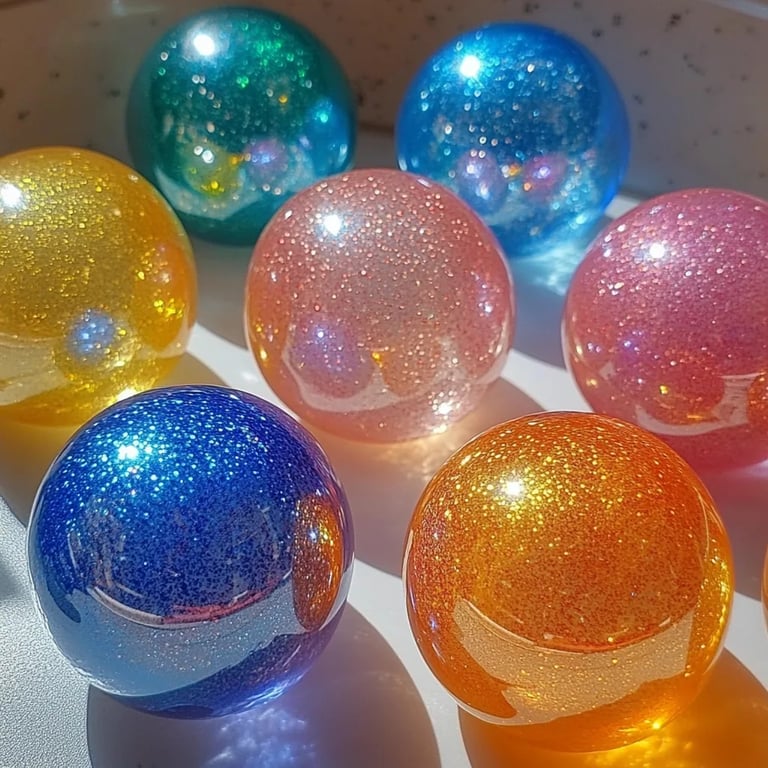
Hello, crafty friends! Today, I’m excited to share one of my favorite DIY projects: making super bouncy balls at home. You might recognize these vibrant little spheres from your childhood, bouncing merrily across playgrounds and living rooms, and I can’t think of a better way to relive those joyful moments than to craft them myself!
Not only is learning how to make super bouncy balls a delightful activity for all ages, but it’s also an inexpensive and engaging project that can be enjoyed on a rainy day, at parties, or even as a fun science experiment to share with kids. Plus, you can customize them to your heart’s content, choosing colors and patterns that reflect your unique style. So, let’s dive in and see how we can make our very own super bouncy balls!
What You’ll Need
Before we jump into the fun part, let’s gather our materials. Here’s what you’ll need:
- White school glue (PVA glue) – This serves as the base of our bouncy ball.
- Cornstarch – This will help solidify the ball and give it its bouncy properties.
- Baking soda – A crucial ingredient that adds elasticity to our ball.
- Liquid food coloring (optional) – To give your bouncy balls some personality!
- Water – For mixing.
- Plastic cup or bowl – For combining the ingredients.
- Spoon or stirring stick – For mixing.
- Gloves (optional) – If you want to keep your hands clean.
- Wax paper or silicone mat – To allow the balls to dry without sticking.
Note on Safety:
While all these materials are generally safe to use, I recommend always working in a well-ventilated area. If crafting with young children, ensure they are supervised throughout the process, especially during the mixing stage.
Step-by-Step Tutorial
Step 1: Prepare the Glue Mixture
In a plastic cup or bowl, start by combining 1 tablespoon of white school glue and 1 teaspoon of water. The glue acts as the adhesive that binds our ball together, while the water helps to create a smoother texture. Stir these ingredients until they are well mixed.
Why This Step Matters:
Getting the right consistency is key. If your glue mixture is too thick, it won't bounce well; if it’s too runny, it won’t hold its shape. The goal here is a gooey yet pourable mixture.
What Could Go Wrong:
If you find your mixture is too thick after combining, you can always add a few drops of water, but be careful not to overdo it!
Step 2: Add Color
If you want your bouncy ball to be colorful, now is the perfect time to add 1-2 drops of liquid food coloring to the mixture. Use a spoon or stick to mix it in until the color is evenly distributed.
Step 3: Mix the Dry Ingredients
In a separate bowl, combine 2 tablespoons of cornstarch and 1/2 teaspoon of baking soda. This is where the magic happens! The cornstarch helps with bounce, while the baking soda adds elasticity.
Step 4: Combine Wet and Dry Ingredients
Gradually add the dry mixture to your glue mixture. Stir it continuously as you add the cornstarch and baking soda mix. It should start to thicken up quite a bit.
Why This Mixing Technique is Important:
Mixing gradually helps prevent clumps and ensures that all ingredients are evenly incorporated. A well-mixed bouncy ball will yield a better texture.
Step 5: Forming the Ball
As the mixture becomes more challenging to stir, it’s time to get your hands in! If you opted for gloves, now is the time to put them on. Knead the mixture for about 1-2 minutes until it is well combined and holds together like dough. If it feels too sticky, you can add a tiny bit of cornstarch.
What Could Go Wrong:
Sometimes, if the ingredients aren't mixed well, the ball may end up being too crumbly or too gooey. If it’s crumbly, knead it a little longer; if it’s overly sticky, sprinkle in more cornstarch.
Step 6: Shape the Ball
Once you've kneaded it into a dough-like consistency, shape it into a ball. It should be about the size of a golf ball. This is where you can get creative—try making different sizes or shapes.
Step 7: Drying Time
Place your newly formed bouncy ball onto a piece of wax paper or a silicone mat. Let it dry for at least 24 hours. If you’re in a humid environment, it might take a bit longer, so patience is crucial!
Why Drying is Essential:
Allowing the bouncy ball to dry fully ensures that it holds its shape and achieves optimal bounciness. Rushing this step can result in a soggy ball that won't bounce properly.
Step 8: Test Your Bouncy Ball
After your bouncy ball has dried, it’s time for the fun part: testing its bounce! Take it outside or to a spacious area inside where it hasn’t been bounced before. Stand tall, drop it, and watch it bounce back up!
What Could Go Wrong:
If it doesn't bounce as expected, it may still be too moist inside, or perhaps the proportions of your ingredients weren’t ideal. No need to fret—more practice means better balls!
Tips for Success
- Experiment with Flavor: You can try adding scented oils for a fun twist. Your bouncy ball will not only look good but also smell delightful!
- Density Matters: Adjust the cornstarch and baking soda ratio if you want denser or lighter bouncy balls. A thicker ball will bounce higher!
- Creative Variations: Try mixing two or more colors for a swirl effect. This not only makes the ball visually intriguing, but it can also be a cool activity to do together!
- Test Different Sizes: This recipe can be scaled up or down. Make tiny bouncy balls for a playful keychain or large ones for a party game.
- Don’t Be Afraid to Fail: Crafting is about experimenting! If a ball doesn’t turn out right on your first try, backtrack, adjust your mixture, and try again. It’s part of the fun!
Final Thoughts
Crafting super bouncy balls at home is not just a nostalgic activity—it’s a wonderful way to engage creativity and science simultaneously. Each bounce is a little reminder of the joy of hands-on work and the satisfaction of creating something with your own two hands.
So gather your materials, unleash your creativity, and most importantly, have fun! I hope this guide has inspired you to dive into your own bouncy ball-making adventure. Share your experiences, variations, and results in the comments below. Happy crafting!