How to Make Sugar Water Paintings: A Sweet Crafting Adventure
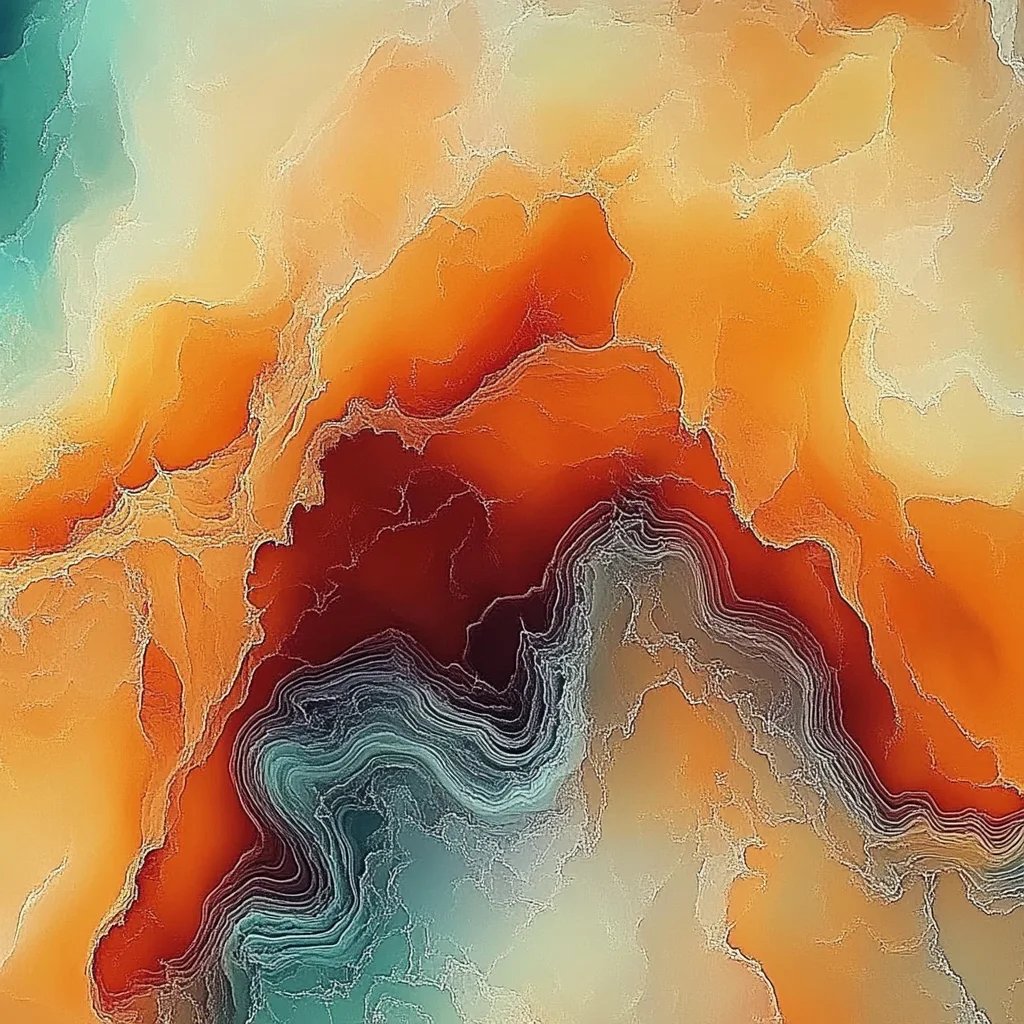
Hello, creative souls! Today, I want to let you in on a delightful artistic experience that combines simplicity and charm: sugar water paintings. If you’ve ever been enchanted by the vibrant colors and whimsical shapes crafted with this sugary concoction, you’re in for a treat! In this guide, I'm excited to share the entire process, from materials and techniques to personal insights, ensuring you can dive into this unique art form with confidence.
What is Sugar Water Painting?
Sugar water painting is an accessible and playful art technique that merges sugar and water to create beautiful, vibrant colors that can be used to paint on various surfaces. As simple as it sounds, the result is nothing short of magical! It’s especially popular among parents, teachers, and crafters looking for a fun and easy way to introduce art to children, making it a perfect rainy-day activity or a summer craft project.
Moreover, this technique is ideal for special occasions, such as birthday parties, art classes, or even casual gatherings. It’s incredibly forgiving—perfect for both seasoned artists and complete beginners!
Materials You’ll Need
Let’s gather our supplies! The beauty of sugar water paintings lies in their simplicity. Here’s what you’ll need:
- Granulated Sugar: About 1 cup will suffice for a small batch.
- Water: Approximately 1 cup, though you can adjust for consistency.
- Food Coloring: Ideally, you’ll want a variety of colors—gel, liquid, or even natural colors from fruits and vegetables!
- Containers: Small bowls or cups for mixing your paint.
- Brushes: Various sizes, from fine-tipped to larger ones.
- Paper: Watercolor paper, cardstock, or even thick construction paper are excellent selections.
- Palette or Mixing Tray: For combining colors.
Step 1: Create Your Sugar Water Mixture
Start by mixing your sugar and water. In a bowl, combine 1 cup of granulated sugar with 1 cup of water. Stir until the sugar is completely dissolved. The solution should be thick enough to hold its shape but fluid enough to spread easily on paper.
Why This Matters: The ratio of sugar to water creates the consistency of your paint. Too much sugar will make it grimy, while too much water may cause it to run. Aim for a syrupy consistency!
Tip: If your mixture is too thick, simply add a bit more water until you achieve the desired consistency.
Step 2: Add Color
Now comes the fun part! Divide your sugar water mixture into separate containers based on how many colors you want to create. Start with primary colors—red, blue, and yellow—and from there, you can mix for secondary colors like green, orange, and purple.
To add food coloring, start with a few drops and mix until you achieve your desired breadth of color. Keep in mind that the colors will dry lighter, so you might want to go a bit bolder.
What Could Go Wrong: If you notice your colors are too muted, don’t hesitate to add more food coloring until you achieve vibrant hues.
Step 3: Choose Your Surface
Select your painting surface. If you’re using watercolor paper or cardstock, ensure it’s thick enough to handle moisture without warping. Lightly hold your paper so it doesn’t buck or shift while painting.
Helpful Insight: If you want to create a more textured effect, consider using a sponge or scrunched-up paper to apply your paint instead of a brush!
Step 4: Start Creating
Now that everything is ready, pick up your brush and let your creativity flow! Use various techniques—dabbing, swirling, or even splattering! Mix colors directly on the paper for unique effects or layer them to create dimension.
Personal Anecdote: One of my favorite methods is to create a simple background wash in blue and then spice it up with swirls of yellow and red on top. Watching the colors blend brings back memories of childhood!
Step 5: Let It Dry
Once you've finished painting, allow your sugar water painting to dry. This usually takes anywhere from a few hours to overnight, depending on thickness. Be sure to place it in a flat area to avoid smudging.
Troubleshooting and Tips
- Stickiness: If your painting remains sticky after drying, it may be due to too much sugar. In this case, you can sprinkle some cornstarch on it to help alleviate the stickiness.
- Cracking: If your paper starts to crack, try using a thicker paper or consider pouring your mixture more delicately.
Safety Warnings
Though this project is generally safe, be cautious with younger children:
- Food Coloring: Non-toxic, but natural dye alternatives are available for extra peace of mind.
- Cleanup: Working with sugar can be messy! Make sure to cover your work area to prevent sticky residue on surfaces.
Creative Variations
- Natural Colors: Use beet juice, turmeric, or spinach water instead of food coloring for a more natural approach. This adds an exciting twist and a bonus science lesson on color theory!
- Textures: Explore different materials! Try using salt, sand, or glitter to create texture in your painting.
- Layering: Once your first layer is dry, paint over it to add depth and complexity to your artwork.
- Crafting Events: Set up a sugar water painting station for birthday parties or playdates. Kids love the interactive nature of this craft!
Final Thoughts
Sugar water paintings are not only a wonderful way to unleash creativity, but they are also perfect for bonding moments with loved ones. As you embark on this sugary artistic journey, remember that each brushstroke is an expression of joy! Don't fret if things don’t turn out exactly as planned—the beauty of art lies in its unpredictability.
So, gather your supplies, and dive into this sweet craft. I can’t wait to see what you create—happy crafting!