How to Make Stained Glass Glue Window Art: A Detailed Guide for Beginners
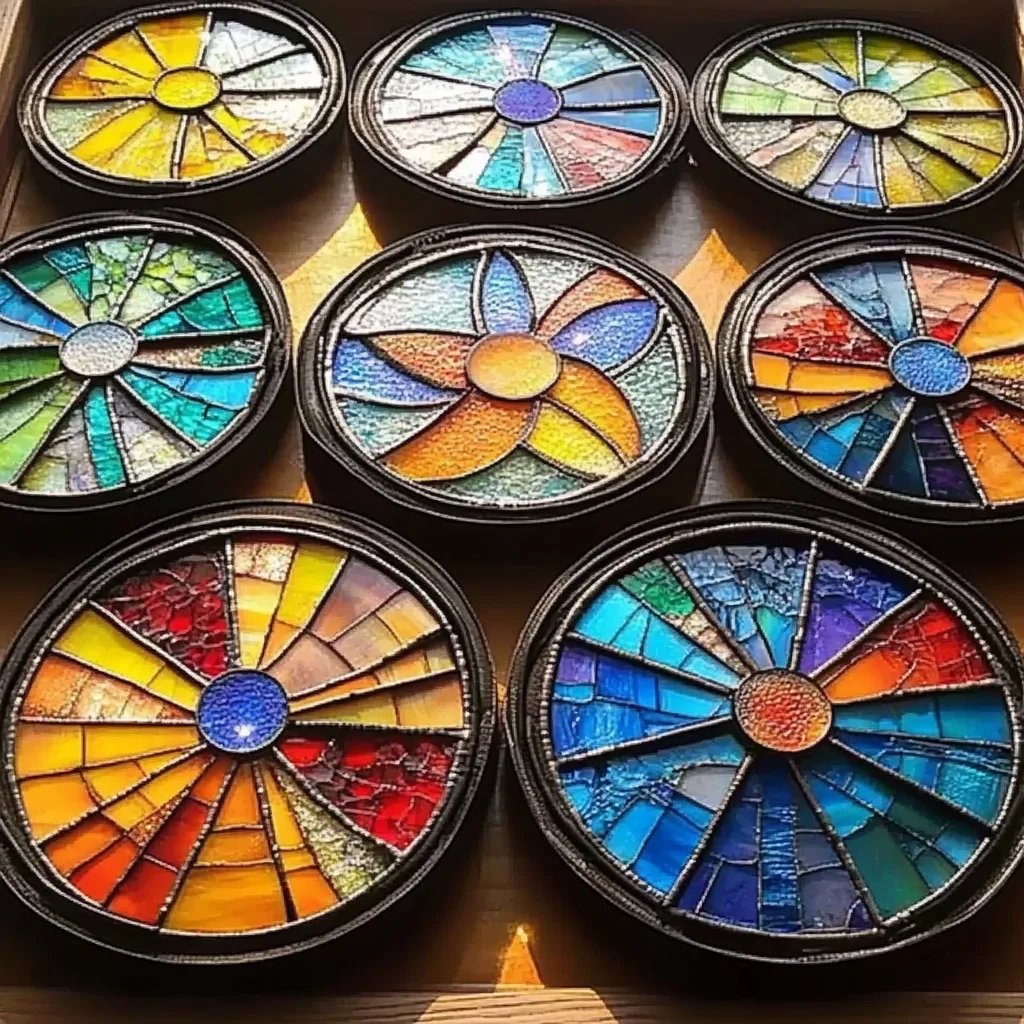
As someone who has spent countless afternoons crafting and creating, I can tell you that making stained glass glue window art has become one of my favorite activities. It’s not just a project; it’s a way to infuse color and creativity into my home. This craft involves using special glue and acrylic paint to create a stained glass effect on windows, which can brighten any room. The beauty of this art form is in its accessibility—you don’t have to be an artist to make beautiful pieces.
Stained glass glue window art has gained popularity for its unique aesthetic appeal and the joyful, vibrant energy it brings into spaces. Whether you're looking to decorate for a holiday, create a gift, or simply want to indulge in a colorful crafting project on a weekend afternoon, this DIY craft is perfect for all occasions.
In this comprehensive guide, I’ll walk you through every step of the process, share personal tips, and provide creative variations along the way. Armed with just a few simple materials and a bit of patience, you can create stunning window art that will be the envy of all your friends.
Materials You Will Need
Before diving into the project, gather the following materials:
- Craft acrylic paints (various colors)
- Clear school glue or dimensional fabric paint (which works similarly to stained glass leading)
- Parchment paper or plastic sheet (as your canvas)
- Pencil and eraser
- Paintbrushes (various sizes)
- Cup of water (for rinsing brushes)
- Paper towels (for cleanup)
- Scissors (if you plan on removing the art from the parchment)
- Optional: glitter or adhesive gems for added decoration
Step 1: Plan Your Design
Before jumping in with paint, take a moment to sketch your design on a piece of parchment paper. Your design can be anything from geometric patterns to floral shapes. I often find inspiration by looking at stained glass windows online or in photo books.
Why This Matters: Planning ensures your design flows well, and you won’t waste materials or time.
Tip: Start with something simple if you're a beginner. As you gain confidence, you can explore more complex designs.
Step 2: Draw the Outlines with Glue
Once you’ve settled on a design, use your clear school glue or dimensional fabric paint to outline it on the parchment paper. If you’re new to this, I recommend using the dimensional paint as it gives a raised effect that mimics traditional stained glass leading.
Why This Step Matters: The outline will prevent the colored paint from running into each other and create defined sections.
What Could Go Wrong: If the glue is too thin, it may not hold the paint properly. Be sure you're using enough to form a clear boundary.
Fix It: Let the outline dry completely before starting to paint. This may take several hours. If you find your outlines are collapsing, consider reinforcing them by adding a second layer once the first one is dry.
Step 3: Choose and Apply Your Colors
Now comes the fun part—painting! Use your acrylic paints to fill in the sections created by your glue outline. You can apply one coat for a translucent look or several coats for a more opaque finish.
Why This Matters: The layering of colors gives the piece depth, much like real stained glass.
Tip: Mix colors to create custom shades—this personal touch can elevate your piece.
What Could Go Wrong: Sometimes, colors can dry differently than expected. If a color looks too dark when dry, use a lighter shade next time for that section.
Step 4: Add Textures and Details
Feel free to get creative! You can add glitter for sparkle or even use a toothpick to create intricate designs in the wet paint.
Alternatives: If you don’t have glitter, consider using beads or adhesive gems for a similar effect.
Step 5: Let it Dry
This part is crucial. Allow your creation to dry for at least 24 hours. Ensure it's in a dust-free area, as anything can stick to the paint during this period.
Safety Warning: Ensure you are working in a well-ventilated area, especially if you're using any paint sprays or strong adhesives.
Step 6: Remove and Display Your Art
Once your artwork is thoroughly dry, gently peel it off the parchment paper. It should come off easily if you've used a non-stick surface.
Creative Variations: You can cut the art into shapes or use the design as a template for other surfaces, like wood or canvas.
How to Display: Position your stained glass art in a sunny window to maximize its colorful effect. Alternatively, hang it using suction hooks or a simple string tied to the top of the artwork.
Personal Anecdote and Insights
I remember my first attempt at making stained glass glue window art. I was so excited that I wanted to use every color I had; the project ended up looking chaotic rather than beautiful. Over time, I learned that balancing colors brings harmony and sophistication. I also found that adding personal elements, like a family motto or a favorite quote, can really make the art meaningful.
Final Tips for Success
- Practice Patience: Like any art form, this requires a bit of finesse. Don’t rush the drying times.
- Start Small: If you’re intimidated, start with a small window or a simple design. If you love it, try larger pieces later.
- Experiment: Don’t be afraid to experiment and make mistakes; that’s part of the charm of crafting.
Conclusion
Creating stained glass glue window art is not just a fun activity, but it also allows you to create vibrant, one-of-a-kind decorations. Whether you are looking to beautify your home, create a thoughtful gift, or simply enjoy the therapeutic process of crafting, this project provides a perfect blend of creativity and relaxation.
With the steps and tips outlined here, I hope you feel empowered to embark on your own crafting journey. Remember, the most important part is to enjoy the process and let your imagination run wild! So gather your materials and let’s bring some color into our lives. Happy crafting!