How to Make Outdoor Foam Sidewalk Paint: A Complete Guide from an Experienced Crafter
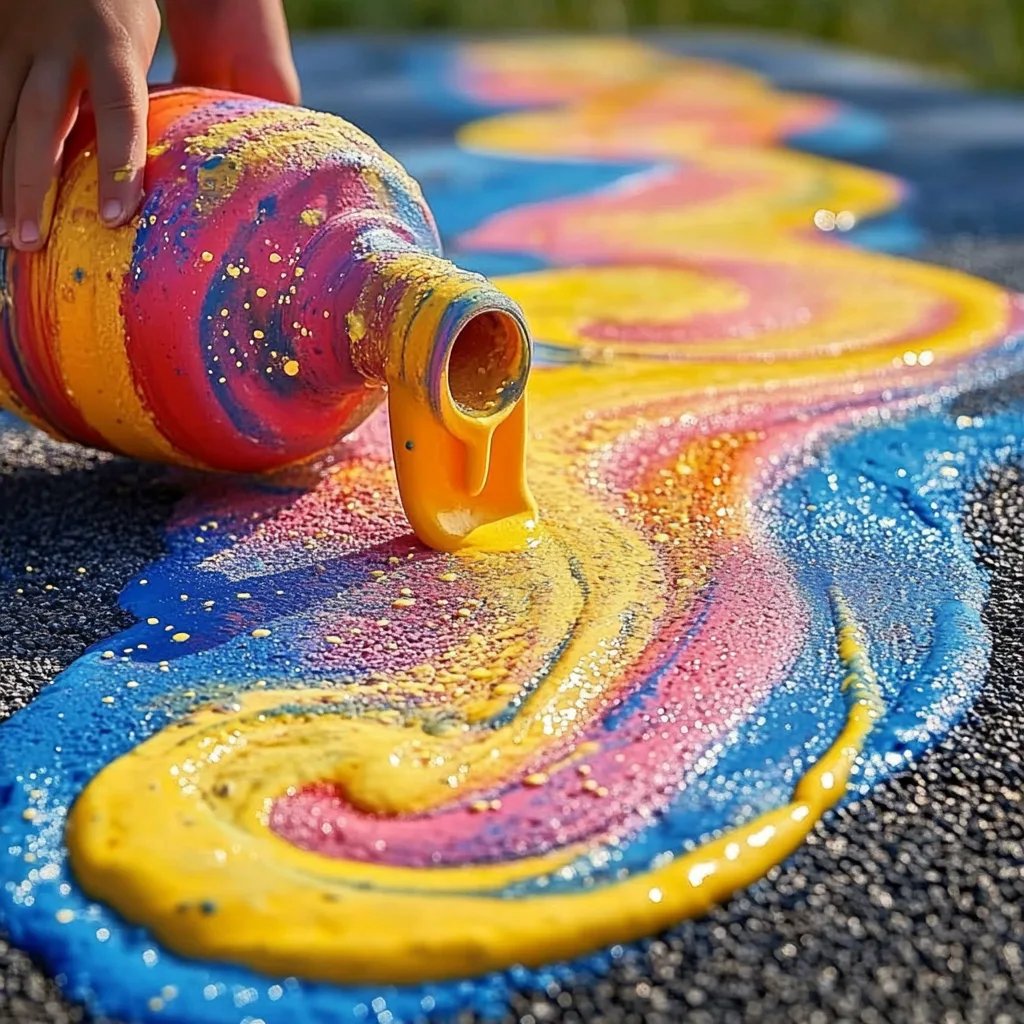
Hello, fellow creators! If you're looking for a fun and colorful way to jazz up your outdoor space, you're in the right place. Today, I’m thrilled to share how to make Outdoor Foam Sidewalk Paint—an exciting, easy-to-apply paint that puffs up as it dries, creating a playful, textured, and vibrant finish to your sidewalk, driveway, or even outside walls. Not only is this DIY project perfect for kids' summer activities, but it also serves as a fantastic bonding experience for family and friends. Let’s dive into the world of sidewalk painting!
Why Foam Sidewalk Paint?
Foam sidewalk paint is a favorite in outdoor crafting because of its unique texture and versatility. It’s non-toxic and kid-friendly, making it a stress-free option for parents. You can use it to unleash your child’s imagination with colorful designs, or even set up a mini art studio on your patio for some creative adult time! Whether you're decorating for a birthday party, creating a temporary mural, or simply letting the kids have fun, this paint is both easy to make and easy to wash off—perfect for all outdoor occasions.
Materials You’ll Need
Before we get started, let’s gather our supplies. You’ll need:
- Cornstarch – 1 cup
- Water – 1 cup
- Dish soap – 1 tablespoon (this helps create that foamy texture)
- Food coloring or liquid watercolor – as many colors as you'd like
- Bowl for mixing
- Whisk or spoon for stirring
- Containers (like muffin tins or small cups) for storing the foam paint
- Foam brushes or paintbrushes for application
Step-by-Step Tutorial
Step 1: Mixing the Base
Why this matters: The right proportions of cornstarch and water create the perfect texture for the foam paint.
- In your mixing bowl, combine 1 cup of cornstarch with 1 cup of water.
- Stir until the mixture is smooth. This should take a few minutes of consistent stirring. Ensure there are no lumps as they could affect the paint's texture.
What could go wrong: If the mixture is too runny, your paint will flatten out instead of puffing up when it dries. If it's too thick, it may clump on the sidewalk.
Fix: If it's too runny, add more cornstarch a tablespoon at a time until you achieve the desired texture. If it's too thick, add a teaspoon of water at a time.
Step 2: Adding Dish Soap
- Add 1 tablespoon of dish soap to your mixture and stir it gently.
Why this matters: The dish soap not only contributes to the foaminess of your paint but also helps with the spreading consistency on the sidewalk.
Step 3: Color It Up!
- Divide your base mixture into separate containers, one for each color you plan to use.
- Add food coloring or liquid watercolor to each container. For vibrant colors, start with 10 drops and add more as needed, stirring well after each addition to get your desired shade.
Personal note: I love experimenting with unexpected colors, like mixing shades to create pastels or blending multiple primary colors for unique hues. Don't be afraid to get creative!
Step 4: Ready, Set, Paint!
Application methods:
- Grab your foam brushes or paintbrushes.
- Start applying the paint on your sidewalk! Encourage kids to make handprints, patterns, or even an outdoor masterpiece.
- Watch as the paint expands and dries into a fluffy, colorful layer.
Tips for a Fantastic Experience
- Test a Small Area First: Before going all out, test your paint on a small, inconspicuous part of your sidewalk. This will give you a good idea of how the colors will look once dry.
- Layering Colors: Try layering different colors while the previous one is still wet. This can create unique blending effects.
- Timing Matters: Applying paint on a dry day will help it puff up as it dries. Avoid painting when it's too humid; this can hinder the drying and foaming process.
What to Avoid
- Windy Days: If you’re painting outdoors, try to pick a calm day. Wind can blow your artwork away or disrupt your creativity.
- Using Too Much Water: Stick to the indicated proportions. Too much water can dilute your colors, making them less vibrant.
Safety Warnings
While all of these ingredients are non-toxic, I encourage supervision if younger children are involved. Make sure they understand not to ingest any of the paint. Additionally, it's best not to use this paint on surfaces like wooden decks or unsealed concrete, as it may stain.
Alternative Methods or Ingredient Substitutions
- For a Flavored Foot Paint: If you’d like to enjoy the scent of your paint, you can use flavored gelatin mix instead of food coloring. Just mix in a packet after adding the cornstarch and water, and omit the dish soap.
- Natural Colors: You can also make natural pigments by boiling fruits or vegetable scraps (like beet tops for red or spinach for green), blending, and straining them into your paint mix.
Personal Anecdotes and Creative Variations
Some of my favorite outdoor painting sessions have turned into spontaneous gatherings with neighbors and friends! We’ve set up a "sidewalk art showdown," where everyone contributes to a giant mural, each taking turns to add their flair. I always remind people that it doesn’t have to be perfect; every brushstroke is a part of our story!
You can even take it up a notch—try making giant foam stencils or using spray bottles filled with your paint for splatter art.
Final Thoughts
Creating your own outdoor foam sidewalk paint is not just a fantastic way to add splashes of color to your outside spaces—it's also a wonderful opportunity to bond, express creativity, and have fun in the sun. So gather your materials, invite a few friends or family members, and let your imagination run wild. I can’t wait to see what you create! As always, happy crafting!