How to Make Ocean Moon Dough: A Step-by-Step Guide
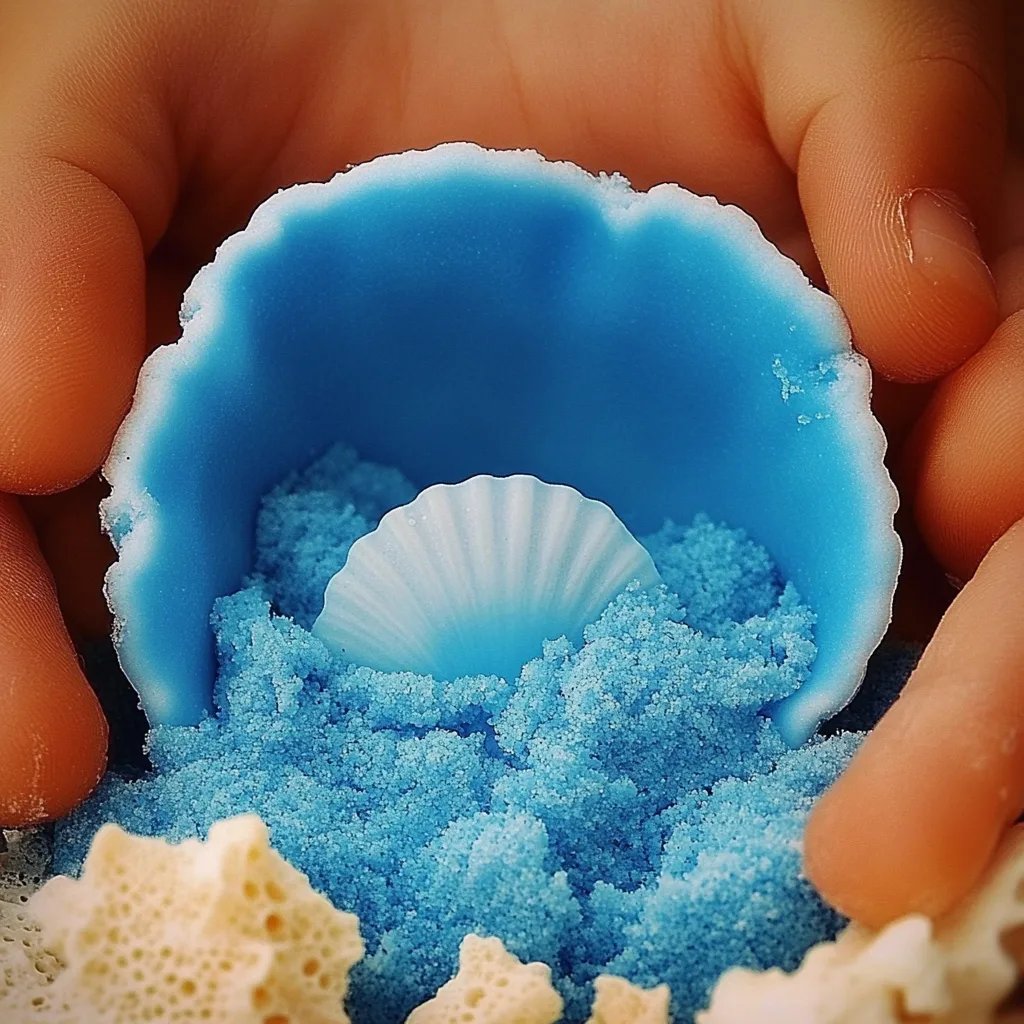
As a crafting enthusiast and a self-professed lover of all things sensory, I am thrilled to share one of my favorite creations: Ocean Moon Dough. This delightful sensory play substance is not only fun to make, but it also engages the creativity of both kids and adults alike. With a cloud-like texture and beachy colors, Ocean Moon Dough captures the essence of the ocean, sparking imaginations and hours of hands-on play. It has become increasingly popular in sensory bins, playdates, and even as a calming craft for adults.
Why Ocean Moon Dough?
Ocean Moon Dough is unique because it combines the fun of traditional play dough with the sensory experience of kinetic sand. Its pliability allows for easy molding and shaping, making it a hit among children who love to create. Additionally, it serves various educational purposes; it can be used to improve fine motor skills, promote imaginative play, and even facilitate sensory integration therapy for children with sensory processing challenges.
Whether you’re whipping up a batch for a rainy day, a birthday party, or simply to engage your kids, making Ocean Moon Dough is a wonderful way to infuse creativity into your routine. Let’s dive into the details on how to create this magical substance!
Materials You'll Need
Before we get started, gather the following materials, most of which you probably already have at home:
- 2 cups of flour: All-purpose flour works best for the texture.
- 1 cup of salt: This will help preserve your dough.
- 2 tablespoons of vegetable oil: This keeps the dough moist and adds a nice silky texture.
- 1 tablespoon of cream of tartar: This ingredient helps create a stretchy dough and improves its consistency.
- 2 cups of warm water: Warm water helps in better mixing.
- Food coloring: Use blue, green, and a splash of white for the ocean effect. Gel food coloring yields more vibrant colors.
- Optional: Glitter or small seashells for added fun and sparkle.
Step-by-Step Instructions
Step 1: Mix the Dry Ingredients
In a large mixing bowl, combine the 2 cups of flour and 1 cup of salt. Stir them with a whisk until they’re evenly distributed. This step is crucial because it ensures that the salt is thoroughly mixed into the flour, which helps the dough maintain its consistency and structure.
*Common Pitfall*: Forgetting to mix the dry ingredients well can result in uneven saltiness in the dough. Take your time with this step!
Step 2: Add Cream of Tartar and Oil
Now, add 1 tablespoon of cream of tartar and 2 tablespoons of vegetable oil to the dry mix. Cream of tartar is often overlooked but plays an essential role in giving your dough that perfect pliable texture. The oil will help to keep the dough soft and prevent it from drying out too quickly.
*Tip*: If you want a more natural option, you can substitute vegetable oil with coconut oil, which adds a lovely aroma too!
Step 3: Prepare the Wet Ingredients
In a separate bowl, stir 2 cups of warm water with your desired food coloring. Aim for 3-5 drops of blue and green in the beginning—remember, you can always add more if you want a deeper color. The warm water helps the colors blend seamlessly, creating a beautiful ocean hue.
*Safety Warning*: When handling food coloring, remember it can stain. Wear old clothes and protect your surfaces!
Step 4: Combine Wet and Dry Mixes
Now comes the fun part! Gradually pour the colored water into the dry ingredients while constantly stirring with a wooden spoon. Mixing can be messy; I often let the kids take part in this to encourage their excitement and engagement.
*Common Pitfall*: Adding the water too quickly may lead to lumps. Take your time and combine slowly for the best results.
Step 5: Cook the Mixture
Transfer the mixture to a large pot over low to medium heat. Stir continuously for about 3–5 minutes. You’ll notice the dough beginning to clump together and pull away from the sides of the pot. This is a wonderful moment—it's like magic!
*Tip*: If your dough appears too sticky after cooking, you can sprinkle in a little more flour until you reach your desired consistency. On the flip side, if it’s too dry, add a tiny splash of water (even a teaspoon) and knead until smooth.
Step 6: Knead the Dough
Once your dough has pulled away from the sides of the pot, transfer it to a clean surface or a large piece of wax paper and knead it for a few minutes until it becomes smooth and elastic. You can fold in a sprinkle of glitter or small seashells during this stage for added flair!
Creative Variations to Try
- Add Scents: Mix in a few drops of essential oils, like lavender or coconut, to add an aromatic twist to your Ocean Moon Dough.
- Layered Dough: Create different layers of color to mimic the ocean's depth by dividing your dough into sections and coloring each one differently.
- Textural Play: Add fine sand or small pebbles to invoke a more beach-like experience.
Storing Ocean Moon Dough
After all the hard work, you’ll want to keep your creation fresh. Store your Ocean Moon Dough in an airtight container or a resealable plastic bag. If stored correctly, it can last several weeks!
Final Thoughts
Creating Ocean Moon Dough can be an incredibly rewarding experience filled with laughter and creativity, and I sincerely hope this detailed guide inspires you to embark on your crafting journey. Remember, each step is an opportunity to bond with your children and encourage their imaginative play.
Don’t hesitate to experiment and tweak the recipe to suit your needs—crafting is about exploring possibilities! Enjoy your ocean-inspired adventure, and may your Moon Dough bring joy and creativity to your home!