How to Make Lilac Sugar: A Sensational Floral Delicacy
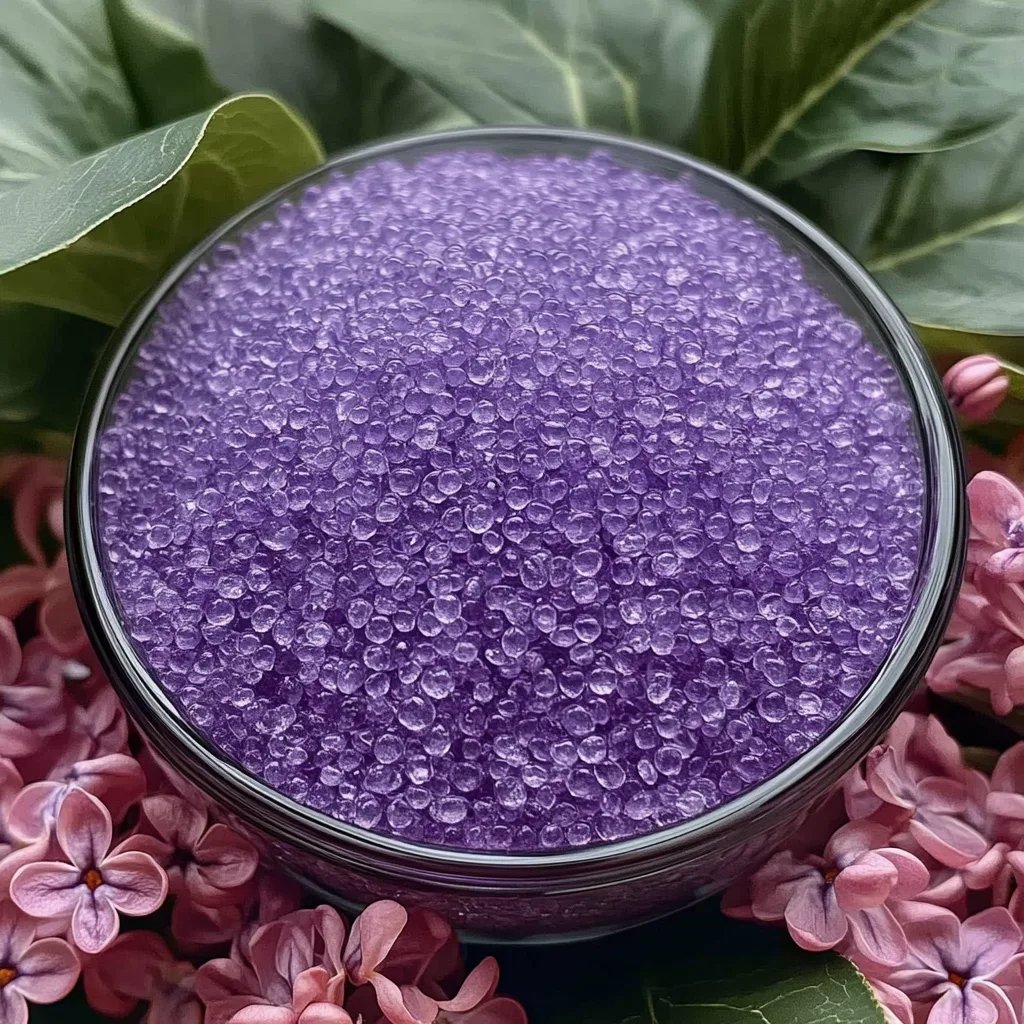
Hello, fellow crafters and culinary enthusiasts! I’m thrilled to share my passion for making lilac sugar with you. There’s something almost magical about transforming simple ingredients into a delightful treat, and lilac sugar is one of my absolute favorites. If you're looking to elevate your culinary creations or simply want a charming addition to your pantry, you’re in for a treat!
What is Lilac Sugar?
Lilac sugar is a fragrant and beautifully aromatic sugar infused with the delicate essence of lilac blossoms. This sweet concoction adds a floral note to various dishes, whether you’re sprinkling it on cookies, using it to sweeten tea, or incorporating it into buttercream frosting. Popular in late spring when lilacs are in full bloom, this sugar not only captivates the senses but also serves as a lovely gift or a delightful way to liven up a gathering or tea party.
Why is Lilac Sugar Popular?
The popularity of lilac sugar lies in its unique flavor profile and versatility. It’s a celebrated ingredient for those looking to add an unexpected twist to their baking or cooking. Plus, lilacs are a staple in many gardens, making them accessible for personal crafting. Making lilac sugar is not just a delicious endeavor; it’s also a way to celebrate the beauty of nature, transforming fleeting blooms into something long-lasting and delightful.
When to Use Lilac Sugar?
You can use lilac sugar in a multitude of ways:
- Baking: Sprinkle it on cakes, cookies, or muffins.
- Beverages: Sweeten your tea or lemonade with it.
- Breakfast: Use it on oatmeal or yogurt for added flavor.
- Gifts: Package it beautifully for a thoughtful homemade gift.
- Decorations: Use it to rim glasses for special cocktails, adding an aromatic touch.
Now, let me take you through the entire process of making lilac sugar!
Step-by-Step Tutorial on Making Lilac Sugar
Materials Needed:
- Fresh lilac flowers: About 1 cup, tightly packed. Make sure they are free from pesticides.
- Granulated sugar: 2 cups (you can substitute with raw cane sugar for a richer flavor).
- Airtight jar: For storage.
- A fine mesh sieve or cheesecloth: For filtering.
Step 1: Collecting Lilac Flowers
Begin by gathering fresh lilac flowers. I like to go foraging in my garden or nearby parks (with permission, of course!). Select flowers that are in full bloom and bursting with vibrant color and fragrance. Avoid any flowers that show signs of wilting or fading, as they won't impart the strong flavor we want.
*Tip*: Choose blooms early in the morning when they’re fresh and dewy!
What could go wrong? It’s important to only use clean blooms, as any dirt or pests can affect the flavor and safety of your sugar.
Step 2: Preparing the Lilac Flowers
Next, gently rinse the lilac flowers under cool water to remove any dirt or critters. Be gentle; we don't want to bruise the delicate petals. After washing, let them dry completely on a clean towel or paper towel.
*Why this step matters*: Ensuring your flowers are clean will result in the best flavor and an aesthetically pleasing finished product.
Step 3: Infusing the Sugar
In a mixing bowl, combine the dried lilac flowers with the granulated sugar. Use your fingers to gently crush the flowers as you mix. This helps release their essential oils, effectively infusing the sugar with that lovely lilac fragrance.
Pro Tip: I recommend using gloves to keep your hands from getting sticky.
Once mixed, transfer the lilac-sugar blend into your airtight jar, pressing down firmly.
Step 4: Letting it Infuse
Seal the jar tightly and place it in a cool, dark space, such as a pantry or cupboard. Let it sit for at least a week. The longer you allow it to infuse, the stronger the floral flavor will be.
*What could go wrong?* If left in direct sunlight or a warm area, the sugar can clump and lose potency.
Step 5: Straining the Sugar
After your sugar has infused for about a week, it’s time to strain out the lilac flowers. Use a fine mesh sieve or cheesecloth to separate the sugar from any remaining flowers. If you prefer a more intense flavor, feel free to add a little more fresh lilac to the sugar and repeat the process for another few days!
*Tip*: Don't rush this step; letting the sugar strain thoroughly will yield a finer end product.
Step 6: Storing Your Lilac Sugar
Transfer your finished lilac sugar back into the airtight jar for storage. Make sure to label it with the date. It can last up to six months if stored properly.
Anecdote: I remember the first time I gifted lilac sugar to a friend. They were taken aback and thrilled to learn they could sprinkle something so enchanting on their morning pancakes!
Creative Variations
- Lavender Lilac Sugar: Combine lilac flowers with dried lavender for an aromatic twist.
- Citrus Twist: Add Zest from lemons or oranges for a refreshing citrus note.
- Spiced Lilac Sugar: Incorporate a pinch of cinnamon or nutmeg for a warm, spicy flavor perfect for fall.
Safety Warnings
- Always use flowers that have not been treated with pesticides or chemicals.
- Ensure the lilac variety you’re using is edible. Some lilac varieties are not safe for consumption.
Alternative Methods or Ingredient Substitutions
While granulated sugar is traditional, you can also experiment with alternatives like coconut sugar or honey granules. Remember, this might change the flavor and color, so it’s always fun to trial and discover what you enjoy!
Final Thoughts
Making lilac sugar is a delightful process that connects you to nature and adds a unique flavor to your culinary creations. As you embark on this fragrant journey, remember that crafting takes practice and patience. I'm excited for you to enjoy this floral sugar as much as I do! If you have any questions or want to share your experiences, please leave a comment below. Happy crafting! 🌸