How to Make Kinetic Sand: An Easy and Fun DIY Guide
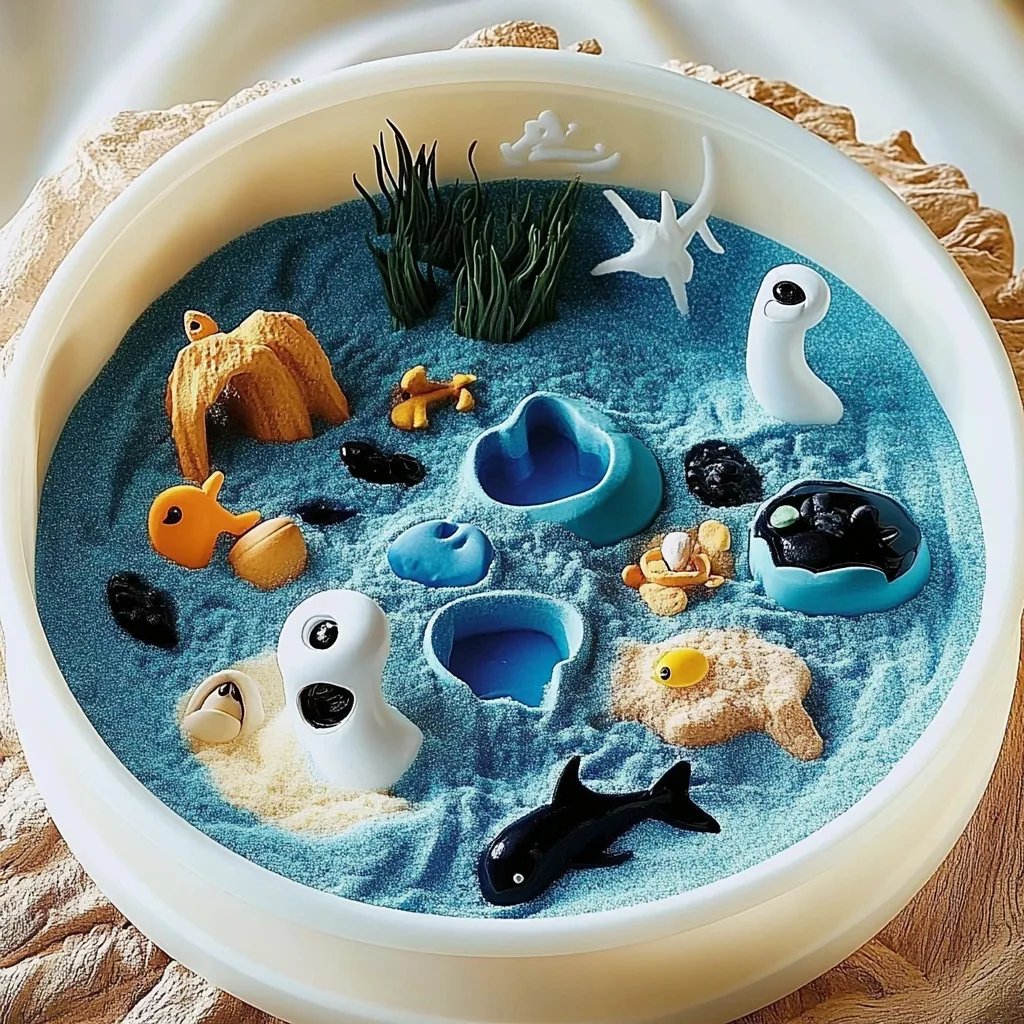
Welcome, fellow crafters! Today, I’m excited to share one of my favorite projects: making homemade kinetic sand. If you've never had the pleasure of playing with kinetic sand, let me tell you—it's a mesmerizing sensory experience! This molded, moldable sand acts like wet sand but is magically dry to the touch. It holds its shape wonderfully, and kids (and adults!) can create some pretty amazing structures with it.
Kinetic sand has skyrocketed in popularity thanks to its unique texture and engaging properties. It’s perfect for everything from sensory play for toddlers to creative activities for older kids and adults. Whether you're looking to entertain your kids on a rainy day, want a therapeutic sensory experience, or aim to create innovative sand art, kinetic sand delivers—and it's incredibly simple to make your own.
What You’ll Need: Materials for Your Kinetic Sand Recipe
Before we dive into the process, let me explain the basic materials you'll need:
- Play Sand: This is the main ingredient. Look for clean, dry sand; you can usually find this at craft stores or in the garden section at big-box retailers. Aim for fine-grain sand for the best texture.
- Cornstarch: This helps to bind the sand together while giving it that unique, moldable texture.
- Water: Just enough to moisten the mixture without making it soggy. You can always add more if needed.
- Dish Soap (Optional): A small squirt can add some extra pliability and make the kinetic sand easier to clean up.
- Food Coloring (Optional): To add a fun and vibrant appearance, you can incorporate food coloring.
Safety Warning:
While making kinetic sand is generally safe, always be cautious when letting younger kids play with small materials. Always supervise them and ensure they don’t ingest any of the ingredients.
Step-by-Step Instructions to Make Kinetic Sand
Now that we have all our materials ready, let’s get started on this creative journey!
Step 1: Mix the Dry Ingredients
In a large mixing bowl, you’ll begin by combining the play sand and cornstarch. The perfect ratio is about 8 cups of sand to 1 cup of cornstarch. The larger quantity of sand will provide that desired texture while the cornstarch will help to bind it together.
Why This Matters: Cornstarch is essential for achieving that iconic moldable quality. A lessened or inadequate amount may cause your mixture to crumble rather than hold its shape.
Pro Tip: Use a whisk or your hands to blend the dry ingredients thoroughly—ensuring even distribution will help your kinetic sand perform wonderfully.
Step 2: Add Water
Next, slowly add water to the dry mixture. Start with about 1 cup of water and mix it in with your hands. The key is to incorporate the water gradually. You may find that you need less or more depending on the humidity and the fineness of your sand.
What Could Go Wrong: Adding too much water at once can turn your mixture into a soggy mess, which is not what we want! If that happens, simply add more sand and cornstarch to balance it out, keeping the original ratios in mind.
Step 3: Optional – Add Dish Soap and Color
If you’d like to add a slide of dish soap for extra pliability, now’s the time! Just a small squeeze will do. You can also mix in a few drops of food coloring if you want bright, colorful kinetic sand. It’s fantastic for visual interest and can stimulate your child’s creativity!
Anecdote: I’ve found that sometimes children are more inclined to play with materials that are visually stimulating. Last summer, my niece was enamored with lavender-colored sand, and we spent the afternoon crafting castles and bringing sculptures to life.
Step 4: Knead the Mixture
Once you’ve added your water, dish soap, and food coloring, it’s time to get your hands dirty—literally! Knead the mixture with your hands thoroughly until you achieve a consistent texture. It should be crumbly, yet hold together when molded.
Why Kneading Matters: Kneading is crucial for breaking up clumps from the sand and ensuring everything is well mixed. Neglecting this can lead to uneven textures, possibly emphasizing the "dry" feel.
Step 5: Test and Adjust
Here comes the fun part! Test your kinetic sand by molding a small handful into different shapes. If you find it’s too dry and crumbling, add a few more drops of water. Conversely, if it’s sticky or gooey, incorporate more sand and cornstarch.
Step 6: Store Your Kinetic Sand
Now that you’ve created your amazing kinetic sand masterpiece, it’s essential to store it properly. Place it in an airtight container or a zip-lock bag to keep it fresh and moldable for future play. When stored correctly, your kinetic sand can last for months!
Creative Variations
- Scented Kinetic Sand: Add essential oils to the mixture for an aromatic sensory play experience. Lavender or citrus scents can enhance the fun!
- Textured Kinetic Sand: Mix in small amounts of glitter, beads, or powdered spices (like cinnamon) for a unique texture and visual appeal.
- Color Layering: Create colorful layers in your container for an artistic display long after the playday is over.
- Seasonal Themes: Craft different colored kinetic sands to match the seasons or holidays, turning it into a themed sensory activity.
Final Thoughts
Making kinetic sand at home is not just economical; it’s also a joyful bonding activity that encourages creativity and sensory exploration. Whether you’re a parent, caregiver, or simply a crafting enthusiast, this DIY kinetic sand recipe is sure to delight all ages.
I hope you find this detailed guide helpful, and I'm eager to hear your feedback and experiences. Remember: crafting should be enjoyable, and each step is an opportunity for connection and fun. Go ahead and let your creativity flow—your homemade kinetic sand awaits! Happy crafting!