How to Make Homemade Puffy Paint: A Crafter’s Guide
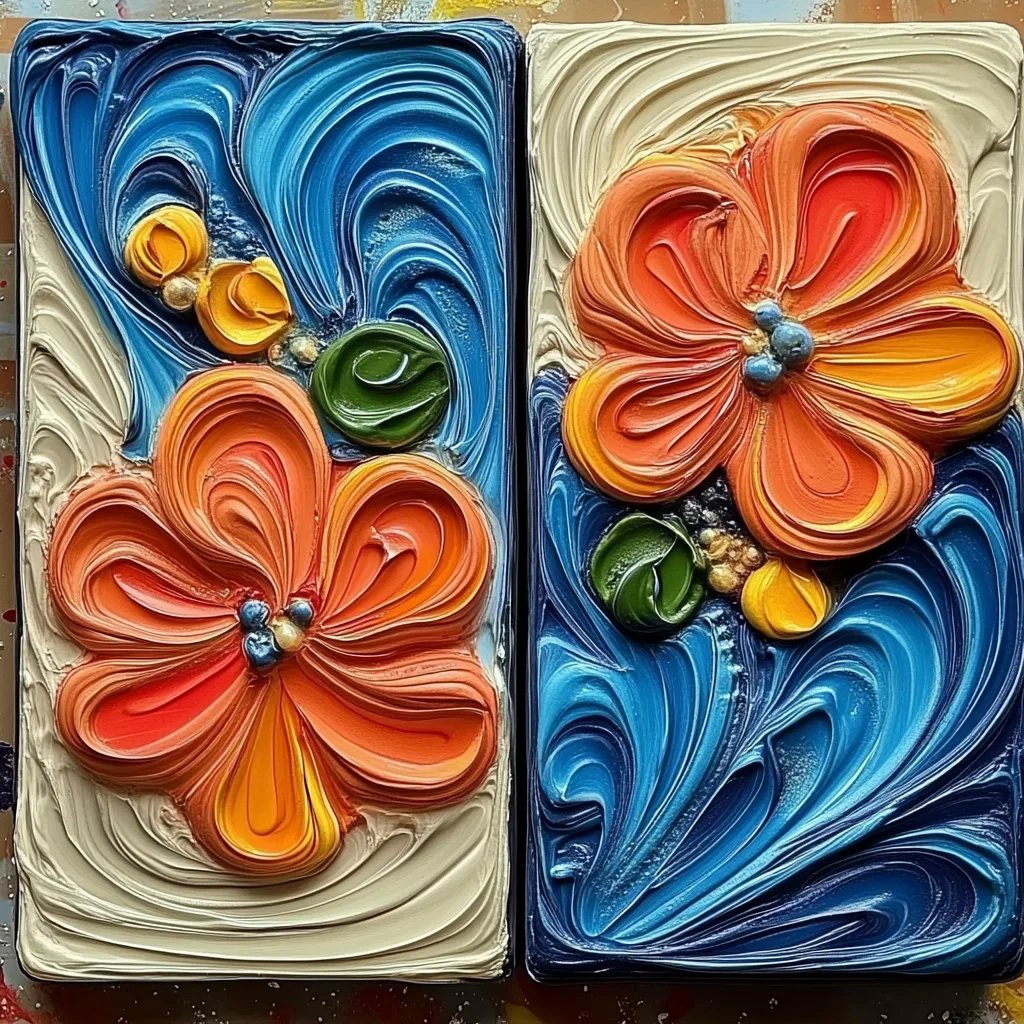
As a passionate crafter, I'm always on the lookout for creative and engaging projects, and one of my absolute favorites is making homemade puffy paint! This delightful concoction transforms any ordinary art project into a three-dimensional masterpiece. Puffy paint is not only fun to make but also incredibly versatile, allowing you and your little ones to explore your artistic sides in various ways, from decorating T-shirts to embellishing greeting cards and even crafting unique wall art.
In recent years, puffy paint has gained popularity in the crafting community, especially among parents and educators. It’s a fantastic tool for kids to express their creativity, develop fine motor skills, and enjoy sensory experiences. Plus, making this paint from scratch using household ingredients is a rewarding activity that brings families together. Let me guide you through my tried-and-true method for creating your very own homemade puffy paint.
Why Homemade Puffy Paint?
Homemade puffy paint has numerous advantages over store-bought options. For starters, you can customize colors to match your favorite shades, and it’s a fraction of the cost. Moreover, you can use non-toxic ingredients, making it safe for children to use. There’s something special about crafting your supplies; it connects you to the creative process in a unique way. Trust me; the sense of accomplishment when you see the vibrant, puffy results of your work is truly fulfilling.
When to Use Puffy Paint
There is no wrong time to use puffy paint! Here are some ideas to inspire your next crafty adventure:
- Arts and Crafts: Create greeting cards, art projects, or decorations for holidays.
- DIY Projects: Use it to embellish canvases, frames, or even furniture.
- Personalized Gifts: Design custom T-shirts, tote bags, or pillowcases.
- Educational Activities: Teach colors, shapes, or enable sensory play for younger children.
Gathering Your Materials
Before we dive into the step-by-step tutorial, let's gather the materials you’ll need. One of the best aspects of this project is that you probably already have everything on hand!
Materials:
- Flour: 1 cup (this is the base of your paint)
- Salt: 1/4 cup (to help it retain texture)
- Water: 1 cup (needed for the paint mixture)
- Baking Powder: 2 tablespoons (this gives it the puffy quality)
- Food Coloring: Various colors (to personalize your paint)
- Mixing Bowls: For combining the ingredients
- Whisk or Spoon: For stirring everything together
- Containers: Empty squeeze bottles or small cups for storage
- Optional: A microwave (for using the puffy paint as we go)
Step-by-Step Tutorial
Step 1: Mixing the Dry Ingredients
In a mixing bowl, combine 1 cup of flour and 1/4 cup of salt. Mixing these dry ingredients well is crucial since it ensures that the salt is evenly distributed throughout the flour, which helps create an even texture.
Tip: I find it helpful to sift the flour and salt together to avoid lumps. A consistent mix lays the foundation for great puffy paint!
Step 2: Adding Water
Next, slowly add 1 cup of water into your dry mixture, whisking continuously to avoid lumps. The consistency should be akin to pancake batter – smooth but thick enough to retain its shape when applied. This is where the magic begins!
Common Issues & Fixes:
- Too Watery? If your mixture turns out runny, add a tablespoon of flour at a time until you achieve the desired consistency.
- Too Thick? Add just a splash of water until it loosens up.
Step 3: Baking Powder Introduction
Stir in 2 tablespoons of baking powder. This ingredient is the secret weapon in puffy paint! It reacts with the other ingredients when heated, allowing your paint to puff up. Make sure to mix thoroughly so there are no clumps.
Step 4: Dividing Your Paint
Once your mixture is complete, divide it into separate bowls based on how many colors you want to create.
Step 5: Adding Color
Now comes the fun part! Add a few drops of food coloring to each bowl. Remember, a little goes a long way, so start with just a few drops and add more until you achieve your desired intensity. This is a great moment for creativity!
Creative Tips: You can mix colors to create your custom shades. Learn how to blend paints to discover fun hues together!
Step 6: Packaging Your Paint
Transfer your colorful paint into squeeze bottles or small cups. If you want to use it straight from the bowl, make sure to have brushes or spatulas handy for application.
Applying Your Puffy Paint
If you want to achieve a raised texture, apply your paint generously! The more paint you put down, the better the puff will be. Use stencils, sponge brushes, or freehand with a squeeze bottle.
Step 7: Puffing It Up!
To activate the puffy quality, place your creations in the microwave for about 30 seconds. Watch as the mixture expands and becomes three-dimensional!
Safety Note: Always supervise children when using the microwave and ensure that paint is not overlapped in a way that could cause it to explode.
Suggestions for Use
- T-Shirts & Fabric: If you’re applying your puffy paint to fabric, make sure to heat-set it with an iron once it's dry. This prevents it from washing out.
- Cardstock & Canvases: Great for art projects; puff paint looks stunning on various surfaces!
- Creating Texture: For a fun, textured experience, use items like sponges or cotton swabs to apply the paint.
Troubleshooting and Tips
Life isn't always perfect, and neither is crafting. If your puffy paint doesn’t puff as expected, here are some tips:
- Underperforming: If after microwaving, the paint doesn't puff, it might be that your mixture was too dry or too thick. Keep refining the ratios in future batches.
- Color Bleed: Avoid overlapping colors when drying, which can cause bleeding.
Variations & Substitutions
If you're looking for alternatives, here are a few:
- If You're Out of Flour: You can replace regular flour with cornstarch for a smoother consistency.
- Natural Dyes: For a more organic approach, consider using beet juice or turmeric instead of food coloring. These can create beautiful, natural hues.
Wrapping Up
Homemade puffy paint is a fun, engaging project anyone can tackle, regardless of crafting experience! Throughout my years of crafting, I always find joy in the little moments – the laughter shared with my children, the way their eyes light up when they see their masterpieces come to life, and the countless variations we've created together.
So whether you’re making puffy paint for a special project, for educational fun, or simply to spark some creativity in your household, I hope you find the process as exciting and fulfilling as I do. Remember, the key ingredient is your imagination—let it soar!
Now, go ahead, gather your ingredients, and let’s start creating some puffy magic together! Happy crafting!