How to Make Homemade Kinetic Sand: A Step-by-Step Guide
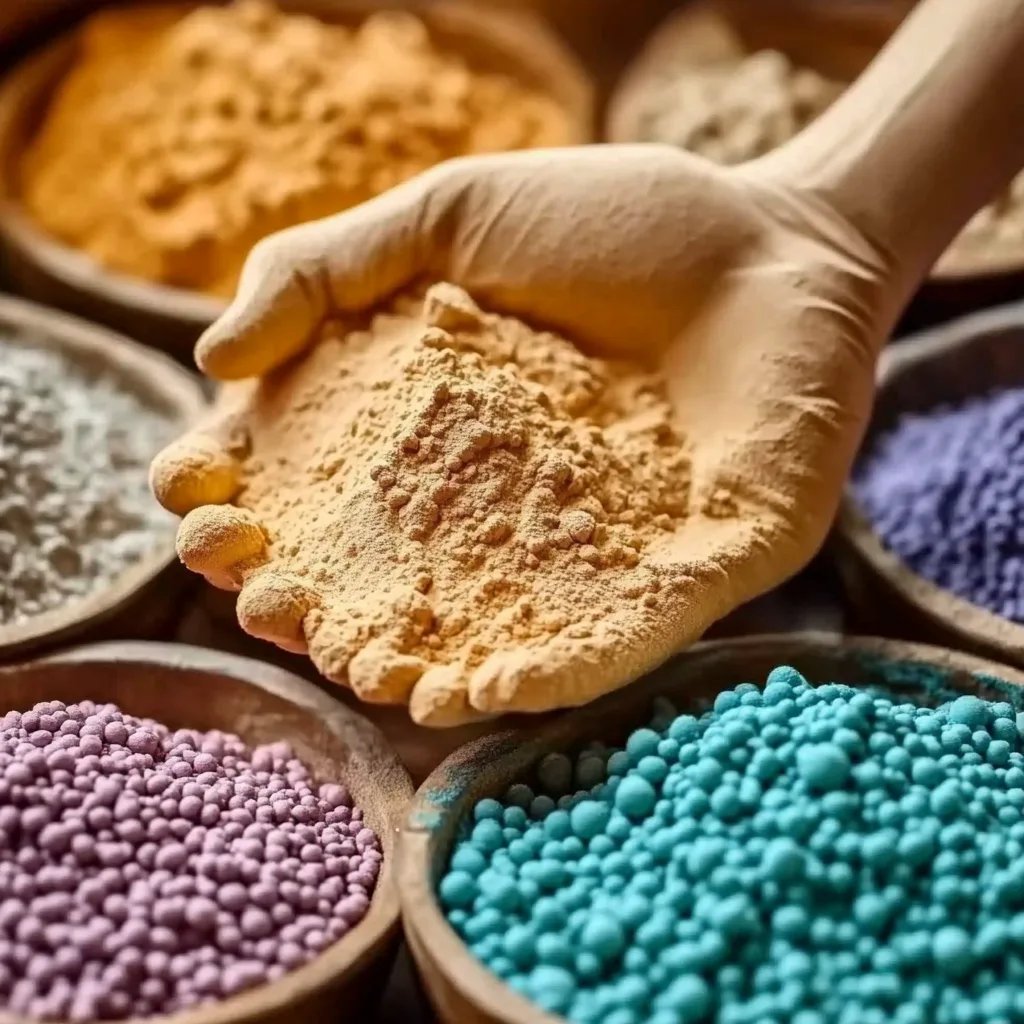
Hello, fellow crafters! Today, I'm thrilled to share with you the magical world of homemade kinetic sand. If you've ever been mesmerized by those squishy, moldable sand sculptures at a craft store or felt the irresistible urge to run your fingers through a pile of it, you're not alone. Kinetic sand has gained immense popularity, not only as a fun sensory play material for kids but also as a delightful stress-relief tool for adults.
What is Kinetic Sand?
Kinetic sand is a unique blend of sand and a special polymer that gives it its signature moldable, squishy texture. Unlike regular sand, which gets everywhere and is often messy, kinetic sand sticks to itself, making clean-up a breeze. It's perfect for rainy day activities, sensory bins for young children, or even as a stress reliever while you work from home. The possibilities for use are endless! In this guide, I’ll walk you through my tried-and-true method for making kinetic sand at home.
Why Homemade Kinetic Sand?
While you can buy kinetic sand at stores, making it at home not only saves you money but allows you the freedom to customize it to your liking. You can choose your colors, textures, and even add scents or other fun elements. Plus, the joy of crafting something from scratch is so fulfilling!
Materials Needed
Here’s what you’ll need for making your homemade kinetic sand:
- Sandbox sand (fine grain works best): 2 cups
- Cornstarch: 1 cup
- Water: 1 cup
- Dish soap (for added texture): 1 tablespoon
- No-tear shampoo (optional for scent): 1 tablespoon
- Food coloring (optional, for fun): a few drops
Step-by-Step Tutorial
Step 1: Gather Your Materials
Before you begin, it's essential to have all your materials ready. This will make the process smoother and more enjoyable. I usually set up a crafting station with a large mixing bowl and some measuring cups.
—
Step 2: Mix the Dry Ingredients
In a large bowl, combine the 2 cups of sandbox sand with 1 cup of cornstarch. Thoroughly mix these ingredients using your hands or a spatula. The sand gives kinetic sand its texture, while the cornstarch acts as a binding agent. This step is vital because if these elements aren’t well combined, the sand won't stick together effectively.
Tip: If you notice graininess in the sand, you can sift it to ensure it’s as fine as possible.
—
Step 3: Combine Wet Ingredients
In a separate container, mix 1 cup of water, 1 tablespoon of dish soap, and if you choose, 1 tablespoon of no-tear shampoo for a pleasant scent. If you want to add color, now is the time. A few drops of food coloring will provide a fun hue to your kinetic sand, and you can adjust it based on your preference.
Why This Matters: The dish soap helps to give the sand that iconic kinetic texture — it makes it smoother and more pliable.
What Could Go Wrong: If you add too much liquid, your sand may become too gooey. Don’t panic! If that happens, simply add a bit more cornstarch to help absorb the extra moisture.
—
Step 4: Combine Wet and Dry Ingredients
Carefully add the wet mixture to your dry ingredients. Start by pouring a little at a time and mixing as you go, ensuring an even incorporation. You'll want to use your hands to really knead the mixture together. It’s a fun sensory experience!
Note: If, after mixing, you find your kinetic sand is still too crumbly, add a few drops of water at a time and knead until you achieve the desired consistency.
—
Step 5: Kneading and Adjusting
Once your kinetic sand starts coming together, it’s time to knead it. This process is crucial because it activates the binding qualities of the cornstarch! It also gives you a chance to add more cornstarch or water if necessary. Knead it until it reaches a moldable and pliable texture.
—
Step 6: Storage
Store your homemade kinetic sand in an airtight container or a resealable plastic bag. It should last for several months if kept out of extreme temperatures or moisture.
Troubleshooting Common Issues
- Too Sticky: If your kinetic sand is sticky, add a little more cornstarch to balance the moisture.
- Too Dry: If it crumbles when you try to mold it, add a few drops of water, knead it, and voila!
- Color Issues: Mixing different colored batches? You can create beautiful gradients by layering different colors in your storage container.
Safety Warnings
- While all ingredients are non-toxic, always supervise young children during play to ensure they don’t ingest the kinetic sand.
- If you’re planning to store kinetic sand for an extended period, keep it in a cool, dry place to prevent mold.
Personal Anecdote: My Journey with Kinetic Sand
I first discovered kinetic sand when looking for an engaging indoor activity for my nephew. His enjoyment in creating and sculpting with it was contagious. However, I noticed how expensive it could be to constantly replenish his supply. That’s when I decided to experiment and make it at home. Each batch I create brings back memories of our crafting sessions, laughter, and creativity spilling over into other projects!
Creative Variations
- Add Glitter: Mix in some fine glitter to give your kinetic sand a magical sparkle!
- Scented Options: Try adding essential oils instead of shampoo for an aromatherapy experience.
- Mold or Cookie Cutters: Use cookie cutters, silicone molds, or even hands to shape your sand into creatures, castles, or whatever your imagination conjures up!
Conclusion
Making homemade kinetic sand is not just a fun DIY project; it’s an enjoyable way to connect with your inner child and encourage creativity in others! By following these simple steps, you can create a sensory wonderland right in your own home. Remember, the joy is in the process, so embrace the mess, experiment boldly, and have fun! Happy crafting!