How to Make Glowing Bounce Balls: A Fun and Engaging DIY Project
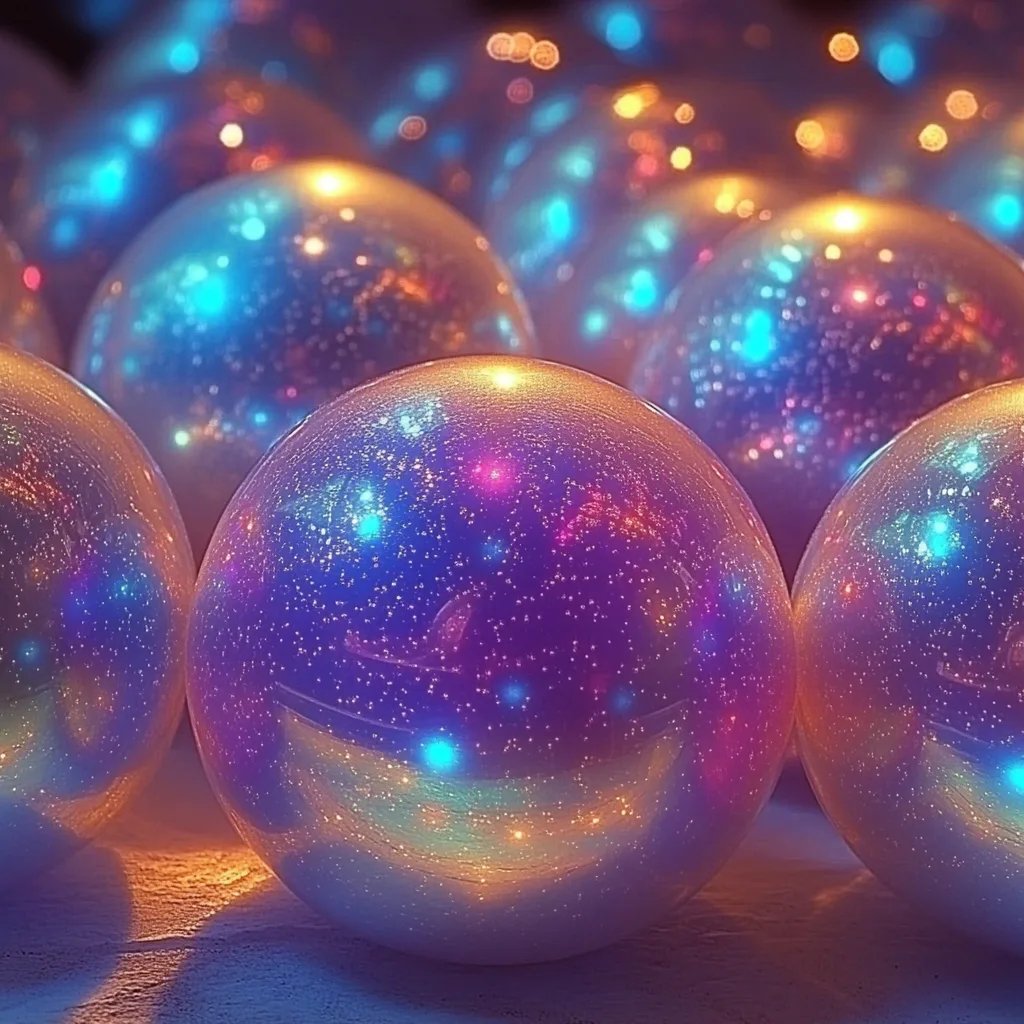
Hello fellow crafters! If you’re looking for a delightful and interactive project that’s sure to ignite your creativity (and possibly make your kids bounce with excitement), then you’ve landed in the right place! Today, I'm thrilled to share my guide on crafting your very own glowing bounce balls. These vibrant spheres are not only a fantastic playtime accessory but also a way to explore the fascinating world of DIY science.
Why Make Glowing Bounce Balls?
Glowing bounce balls are incredibly popular for several reasons. Firstly, they light up, which makes them a hit during night games or parties. They are also a great way to engage children in hands-on science and creative activities. Have you ever seen the spark in a child's eyes when they see something they made themselves? It’s truly magical! Plus, this project is a wonderful way to expend some energy on a rainy day or during a fun outdoor event.
When Can You Use Them?
These bounce balls are perfect for evening play, indoor fun, or even as unique gifts for birthdays or special occasions! Imagine hosting a nighttime party with glowing bounce balls lighting up the yard. Talk about a winning activity!
What You’ll Need
Let’s gather our materials. I prefer to keep things simple and accessible, so here’s what you’ll need:
Essential Materials
- 1/2 cup of warm water
- 1/4 cup of white glue (PVA glue)
- 1/4 cup of liquid starch
- Optional: Neon glow-in-the-dark paint
- A mixing bowl
- A spoon or spatula
- Rubber gloves (optional, for messy hands)
- Saran wrap (non-stick surface)
Optional Materials for Glow Effect
- Highlighter ink (yellow, green, or blue)
- Light-safe container for glowing
Step-by-Step Tutorial
Before we begin, please ensure that you work in a safe, well-ventilated area. The materials we’re using are generally safe, but of course, it’s always good to err on the side of caution, especially around children.
Step 1: Prepare the Mixture
In a mixing bowl, combine 1/2 cup of warm water with 1/4 cup of white glue. This combination is the foundation of your bounce ball. The glue gives your ball that stretchy, rubbery quality we all love!
Why it matters: The glue is essential because it sets the final product's texture. Using just the right amount ensures the ball is not too sticky or too hard.
What could go wrong: If you find that your mixture is too runny, it may affect the ball's bounce. If that happens, add a little bit more glue!
Step 2: Add Liquid Starch
Once you’ve mixed the glue and water, it’s time to add 1/4 cup of liquid starch. This is where the magic happens. The starch allows the glue to create bonds that give the ball its form.
Why it matters: The starch is what binds the molecules together, creating the perfect bounce and glow.
Tips: Stir the mixture vigorously until it begins to clump and pull away from the sides of the bowl. You want it to become a gooey mess but still hold shape.
Step 3: Combine and Knead
Using your hands (or rubber gloves if you prefer), start kneading the dough-like mixture until it comes together into a ball. Don’t be alarmed if it feels sticky at first; this is normal. Keep kneading until it resembles a stretchy, firm ball.
What could go wrong: If the mixture remains too tacky after extensive kneading, it’s a sign that you may need more starch. Sprinkle a bit in and keep kneading.
Step 4: Add Glow-in-the-Dark Effects
This is the fun part! If you’re using *neon paint* or *highlighter ink*, add a few drops into the ball while kneading. This is how we achieve that magical glow effect. Make sure to distribute it evenly for a beautiful glow!
Creative variation: Try different colors! You can create multiple balls, each with a different hue, to mix it up.
Step 5: Shape the Ball
Once you’re satisfied with the glow and texture, roll the mixture into a smooth ball. The smoother the ball, the better it will bounce.
Why it matters: A well-shaped ball will provide more uniform bounce and enhance playfulness.
Step 6: Let It Cure
The final step is crucial: let your bounce ball sit for about 24 hours, ideally in a light-safe container. This allows it to cure properly and harden sufficiently.
Safety Warning: Make sure to store it away from pets or young children during this time; the glowing paint isn’t inherently harmful, but it’s always best to be cautious.
Troubleshooting and Tips
Now, like any craft project, you might run into hiccups along the way. Here are a few common issues and solutions:
- Ball Too Hard: This could be that you added too much glue initially. To counteract, try adding a little bit of warm water and knead again.
- Ball Too Sticky: If it’s sticking to your hands and unable to hold shape, sprinkle starch gradually and keep kneading.
- Glowing Effect Fading: If your glow is dimming, try exposing your ball to light for a bit, or add a bit more glow paint into the mix!
Personal Anecdotes and Alternative Methods
I remember the first time I made these glowing bounce balls with my niece. We ended up having a mini competition to see whose ball would glow the most bright, and it sparked a love for DIY projects which we've since taken into so many directions!
If you're looking for an alternative to liquid starch, you can try using a *DIY polymer clay recipe*, which can impart firmer structures and different textures. The recipe usually varies, but it often involves using cornstarch and vinegar as a substitute.
Closing Thoughts
Crafting your own glowing bounce balls is not just enjoyable but also educational. This project intertwines aspects of science and art, offering a delightful experience for both children and adults. I can't tell you enough how rewarding it feels to create something that lights up a room!
So gather your supplies, invite a friend or family member, and dive into this glowing adventure. Soon enough, you’ll not only have your very own bounce balls but also cherished memories forged through creativity. Happy crafting!