How to Make Fizzy Rainbow Rocks: A Step-by-Step Guide to a Vibrant Craft Experience
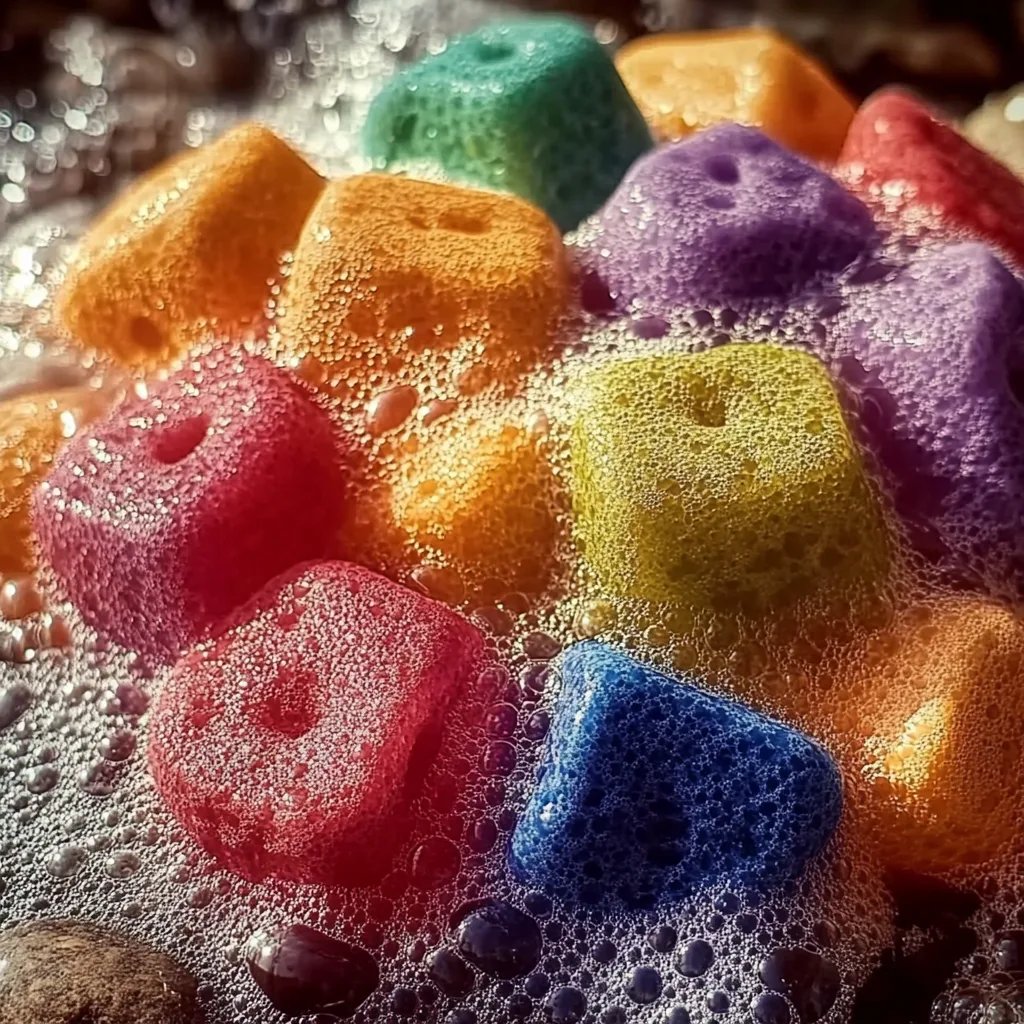
Hello there, fellow crafters! I'm incredibly excited to share one of my favorite projects—Fizzy Rainbow Rocks. This fun experiment has captured the hearts of many and for good reason! These colorful rocks not only add a splash of joy to any space but also spark curiosity—especially among children. Whether you're planning a delightful activity for a birthday party, a fun project to do with kids, or simply a relaxing afternoon of crafting, Fizzy Rainbow Rocks are sure to impress.
In this guide, I’ll walk you through each step of the process, share helpful tips, and discuss potential pitfalls to avoid. So let’s dive into the vibrant world of Fizzy Rainbow Rocks!
What Are Fizzy Rainbow Rocks?
Fizzy Rainbow Rocks are colorful, effervescent creations made from common household ingredients, particularly baking soda and vinegar. When combined, these materials react to create a fizzy reaction, akin to a mini volcanic eruption! The vibrant colors come from food coloring, which transforms the ordinary into something magical and engaging.
These rocks can serve various purposes—from being a whimsical decoration in your garden to being a captivating scientific demonstration for kids. The best part? You can feel proud knowing you made them with your own hands!
—
Why Fizzy Rainbow Rocks Are Popular
The appeal of Fizzy Rainbow Rocks lies in their hands-on nature, educational value, and aesthetic charm. Here are some reasons for their growing popularity:
- Engaging for All Ages: This project captivates both children and adults, making it an ideal family activity.
- Educational Value: It encourages learning about basic chemistry (acid-base reactions) in a fun and interactive way.
- Customizable Colors: You can create an endless spectrum of colored rocks, making each batch unique.
- Sensory Experience: The visual fizz and vibrant colors offer a sensory treat that’s not only rewarding but also relaxing.
—
Materials Needed
Before we get started, let’s gather our supplies. Here’s what you’ll need:
- 1 cup of baking soda
- 1/2 cup of water
- 1 tablespoon of white vinegar
- Food coloring (various colors)
- Silicone molds (or cookie sheet lined with parchment paper)
- Mixing bowls
- Measuring cups and spoons
- Spoon for mixing
- Gloves (optional, for messy hands)
Tips for Materials
- Baking Soda: Ensure it’s fresh; old baking soda may not react well.
- Food Coloring: Gel food colors give more vibrant results than liquid ones.
- Silicone Molds: These come in a variety of shapes; pick ones that inspire you!
—
Step-by-Step Tutorial
Step 1: Prepare Your Mixture
In a mixing bowl, combine 1 cup of baking soda and 1/2 cup of water. Mix thoroughly until you have a paste-like consistency. If it’s too dry, you can add more water by the tablespoon.
Why This Matters: The baking soda is the base of our fizzy reaction, and the water helps it bond together so that you can shape it into rocks.
What Could Go Wrong: If the mixture is too watery, it won’t hold shape. Conversely, if it’s too dry, the colors won’t spread well. Aim for a texture similar to playdough.
Step 2: Divide and Color It Up
Once the mixture is established, divide it into smaller bowls—depending on how many colors you’d like to create. Add a few drops of food coloring to each bowl and mix until you reach an even color.
Personal Anecdote: The first time I did this, I got carried away with colors and ended up with a rainbow batch that looked like a tie-dye explosion! Trust me; the more the merrier when it comes to colors!
Step 3: Mold the Mixture
Now, it’s time to pack your colorful mixtures into silicone molds. Fill them to the top and press down firmly; this helps the rocks maintain their shape when removed. If you’re using a parchment-lined cookie sheet, dollop the mixture into small mounds.
Why This Matters: Proper packing ensures your rocks keep their form during the drying phase.
What Could Go Wrong: If they are packed too loosely, they may crumble when dried. Conversely, over-packaged rocks might take longer to dry out.
Step 4: The Waiting Game
Let your colorful creations sit for at least 24 hours to dry. If you’re in a hurry, using a fan or putting them in a warm environment can speed up the process.
Tip: If you live in a humid climate, it might take longer for your rocks to dry.
Step 5: The Grand Reveal
After they have dried completely, gently pop the rocks out of the molds. Don’t be shy—give them a little twist and they should come out easily!
Safety Warning: Be cautious while handling the rocks; sometimes edges can be sharp depending on the mold.
—
The Fizzy Reaction
Now comes the best part! To see the full magic of your Fizzy Rainbow Rocks, take one and place it in a bowl or tray. Drizzle 1 tablespoon of white vinegar over the rock. Watch as a colorful, fizzy explosion occurs!
Why This Matters: This step demonstrates the chemical reaction between baking soda (a base) and vinegar (an acid), creating carbon dioxide—hence the fizz!
—
Creative Variations and Alternatives
Feeling adventurous? Here are some creative tweaks and alternatives:
- Add Glitter: For a sparkling finish, mix some glitter into your baking soda mixture.
- Essential Oils: A few drops can add a pleasant scent to your rocks; however, ensure they are skin-safe.
- Mix Textures: Consider adding sand to create a textured look.
Troubleshooting Common Issues
- Colors Didn’t Mix Well: If you notice uneven color distribution, try pouring a bit of water on top and gently swishing it around (don’t be too rough!) before the mixture sets.
- Rocks Are Crumbling: This usually means they were too dry or not packed well. For future batches, ensure a better balance of ingredients.
—
Wrapping It Up
Creating Fizzy Rainbow Rocks is not just a fun experiment; it’s an exploration of color, chemistry, and creativity. I hope this guide has inspired you to try making some on your own or with children. The joy of crafting and creating is in the journey, the messes we make, and the laughter we share.
Remember, each rock you make can tell a story, whether it’s to brighten up your garden, serve as an educational tool, or simply entertain. Don’t hesitate to modify this tutorial to make it your own!
If you have any questions or share your creations, feel free to connect—let’s keep the creativity flowing! Happy crafting!