How to Make Erupting Black Holes: A Fun and Educational Crafting Adventure
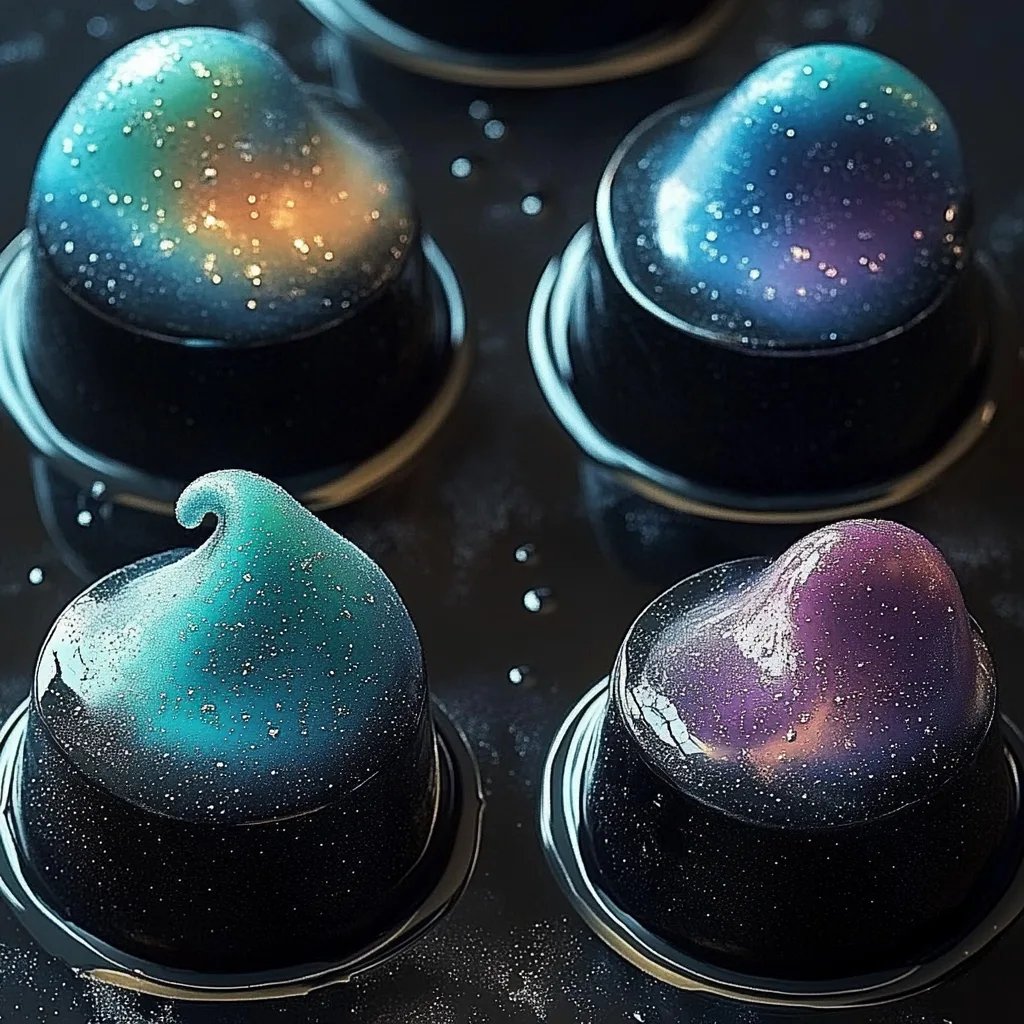
Hello, fellow crafters! Today, I’m excited to guide you through the fascinating world of science exploration by creating your very own Erupting Black Holes. This dynamic and visually captivating project is not only a delight to make, but it’s also a fantastic learning tool for the curious minds in your life. Whether you are in a classroom setting, planning a family activity, or simply want to experience the joy of science at home, this project is perfect for you. So, roll up your sleeves, and let’s dive into how to create these mesmerizing miniature explosions that mimic the powerful nature of black holes!
Why Erupting Black Holes?
Erupting Black Holes are incredibly popular, especially among kids and science enthusiasts. This project is a terrific way to introduce concepts such as chemical reactions, gravity, and color mixing. Not only do they captivate the imagination, but they also spark conversations about the mysteries of space, making them a perfect fit for science fairs, birthday parties, or just a cozy afternoon at home.
Materials Needed
Before we begin, let’s gather all the materials we will need. Don’t worry if you don’t have everything on hand; many of these items are common household items!
- Baking Soda – This is our base. It will cause the eruption!
- Vinegar – The acidic counterpart which will react with the baking soda.
- Black Food Coloring – To mimic the darkness of a black hole.
- Dish Soap – This enhances the eruption effect by creating bubbles.
- Small Container or Cup – To hold our mixture. An old plastic cup works just fine.
- Tray or Large Plate – To contain the mess (trust me, it can get messy!).
- Optional: Glitter or shimmering stars for extra effects, and small figures or rocks to represent orbiting debris.
Step-By-Step Guide to Making Erupting Black Holes
Step 1: Prepare Your Workstation
Set up your tray or large plate as your working area. The tray is essential, as the reaction can bubble over, and we want to keep the mess contained. Place your small container or cup in the center of the tray.
Step 2: Add Baking Soda
Pour about 2 to 3 tablespoons of baking soda into your container. This forms the basis of our black hole. Baking soda not only provides the fizz but also represents the dense material we associate with black holes.
- Why This Matters: The baking soda is crucial because it will react with the vinegar in the next step to create an eruption.
- Tip: Use a funnel if you're worried about spilling!
Step 3: Squirt in the Dish Soap
Add roughly 1 tablespoon of dish soap to the baking soda. The dish soap serves to create a thicker foam, making your eruption more visually striking.
- What Could Go Wrong: If you forget this step, your eruption might fall flat (literally!). Trust me, the bubbles make all the difference.
- Personal Anecdote: The first time I did this, I skipped the soap and ended up with a wimpy eruption! Lesson learned.
Step 4: Add Black Food Coloring
Now, a few drops of black food coloring can be added. This is where the magic happens; each drop conjures up visions of swirling darkness!
- Alternative Method: If you don’t have black food coloring, mix blue and red food coloring for a deep purple version. While it won't be as perfect, it definitely adds a unique touch!
Step 5: Prepare for the Eruption!
In a separate container, take about half a cup of vinegar and let’s make it more exciting. You can mingle in some extra drops of black food coloring, for visual consistency.
Step 6: Here Comes the Fun!
Now comes the fun part! Pour the vinegar into your baking soda mixture and step back. Watch as a fantastical eruption unfolds, with fizzy black bubbles flowing over like an explosive cosmic creation.
- Safety Warning: Vinegar is safe, but it’s best to keep your face away from the direct eruption to prevent vinegar splashes.
- Creative Variation: You can add small stars (glitter or sequins) around the black hole to represent celestial bodies.
Troubleshooting Your Eruption
- Not Enough Reaction: If your eruption isn’t as dramatic as expected, check that you used enough vinegar or baking soda.
- Overflow Issues: To minimize overflow, make sure your container isn’t too small for the amount of reactants you are using.
Cleanup and Final Thoughts
After your Erupting Black Holes have done their thing, let the mixture settle a bit. It’s easy to clean up using warm soapy water since both baking soda and vinegar are entirely harmless.
Conclusion
Creating Erupting Black Holes is a simple, safe, and splendidly entertaining project that introduces budding scientists to the wonders of chemistry while sparking curiosity about the universe. Each eruption is a unique spectacle that can inspire endless discussion about the mysteries of space and science.
Remember, crafting and exploring science goes hand in hand, and I hope this tutorial empowers you to unleash your creativity and curiosity. Happy crafting, and may your experiments always be out of this world!