How to Make DIY Tie-Dye Bouncy Balls: A Fun Craft for All Ages
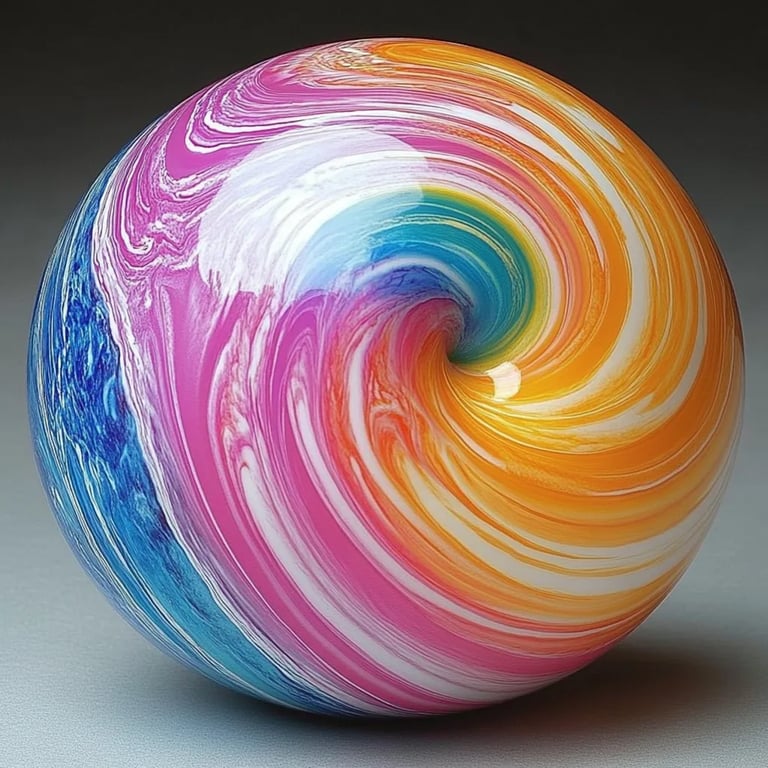
As a devoted crafter and avid DIY enthusiast, I’m always looking for creative projects that are not only enjoyable but also serve a purpose. One of my absolute favorites is making DIY tie-dye bouncy balls! They’re vibrant, fun to play with, and can provide hours of entertainment for kids and adults alike. Whether you’re planning an arts and crafts party, looking for a unique gift, or simply wanting to explore a new hobby, this project is perfect for you.
In this article, I’ll take you step-by-step through the process of making your own tie-dye bouncy balls. You’ll learn not only how to create these colorful orbs but also tips for troubleshooting common issues, safety precautions, and some creative variations to make the experience your own. So, let’s dive in and get our hands sticky with some crafting fun!
What You’ll Need
Before we jump into the tutorial, here’s a comprehensive list of materials you’ll need to successfully create your DIY tie-dye bouncy balls:
Materials:
- Sodium Alginate Powder: This is the main ingredient that gives your bouncy ball its elasticity.
- Calcium Chloride: This is used to create the bouncy structure when mixed with sodium alginate.
- Food Colorings or Liquid Watercolors: This is what makes your bouncy balls vibrant and colorful!
- Water: You’ll need distilled water or filtered water for best results.
- Mixing Bowls: A couple of medium-sized bowls for mixing your ingredients.
- Measuring Spoons: Precision is key here!
- Spoon or Whisk: For mixing your ingredients thoroughly.
- Disposable Gloves: Protect your hands from dye.
- A sieve or slotted spoon: For handling the bouncy balls after they form.
- Parchment Paper or Wax Paper: To place your bouncy balls on to dry.
Safety Precautions
Before we get started, it’s important to note that safety comes first. Sodium alginate and calcium chloride are generally safe to handle, but it’s advisable to wear gloves, particularly when working with food coloring. Work in a well-ventilated area, and if you have children helping, ensure they are supervised throughout the process.
Step-by-Step Tutorial to Make Tie-Dye Bouncy Balls
Step 1: Prepare the Sodium Alginate Mixture
First, we’ll prepare the sodium alginate solution. In a bowl, combine 1 teaspoon of sodium alginate powder with 1 cup of water. Stir well to ensure there are no lumps. This mixture needs to be smooth and evenly blended, as any clumps can affect the final product. I’ve found that using a whisk works wonders for this step!
Why this Matters: A uniform solution allows for consistent bouncy balls; lumps will cause uneven textures.
Step 2: Color Your Mixture
Now, this is where the fun begins! Add several drops of your chosen food coloring or liquid watercolors into the sodium alginate mixture. You can mix in several colors or keep it simple with just one—personal preference is key here. Stir well to achieve a vibrant hue.
Tip: Don’t hesitate to experiment with color combinations! My favorite outcome was using blue and yellow, which blended into a beautiful green.
Step 3: Prepare the Calcium Chloride Bath
In another bowl, dissolve 1 tablespoon of calcium chloride in 1 cup of water. This will act as a "setting bath." Stir until fully dissolved. Note that this mixture can get a bit warm as the salt dissolves, so handle it cautiously!
What Could Go Wrong: If the calcium chloride isn’t thoroughly dissolved, it can cause an uneven setting of the bouncy balls. Make sure it’s fully mixed!
Step 4: Create the Bouncy Balls
Scoop a small amount (about 2 teaspoons) of the sodium alginate mixture and gently drop it into the calcium chloride bath. You will notice that it starts to create a gel-like ball almost immediately—this is magic in action! You can create multiple balls at once but keep them spaced out in the bath, allowing enough room for them to expand.
Personal Anecdote: The first time I created these, I was astonished at the speed at which they formed. My kids were giggling with excitement, and I felt like a science wizard!
Step 5: Let Them Set
Allow the balls to sit in the calcium chloride bath for about 2-3 minutes. This will firm them up. Be careful not to leave them in too long, as over-setting can make them overly hard.
Step 6: Rinse and Dry
Once they’re set, use a sieve or slotted spoon to remove the bouncy balls from the calcium chloride bath. Rinse them gently under cool water to wash off any excess calcium chloride.
Now, place them on a layer of parchment or wax paper to dry further. They’ll continue to firm up as they air-dry—this usually takes around 10-15 minutes.
What Could Go Wrong
If your balls are misshaped or don’t bounce, they may have been left too long in the calcium chloride bath or the mixtures weren’t correctly blended. In either case, adjustments to timing or blending techniques should help fix the issue for your next attempt!
Creative Variations and Tips
- Layering Colors: Instead of simply mixing all your colors at once, try layering different colors by skimming bits of mixtures and dropping them at various times.
- Glitter and Fun Additions: If you want even more pizzazz, consider sprinkling some biodegradable glitter into your mixtures!
- Different Sizes: Play around with the amount of mixture you drop into the bath. Smaller amounts create mini bouncy balls that can be fun to collect.
Conclusion
And there you have it—a delightful way to make your own DIY tie-dye bouncy balls! Not only are they a fantastic crafting experience, but they also provide an exciting toy to enjoy afterward. Remember that crafting is all about exploration, so don’t be afraid to adapt this recipe, try new colors, or tweak the quantities.
I encourage you to share this fun project with friends or family, and I’d love to hear about your experiences! If you have any tips or variations you've tried, drop them in the comments below. Happy crafting!