How to Make DIY Moon Sand: A Crafting Adventure
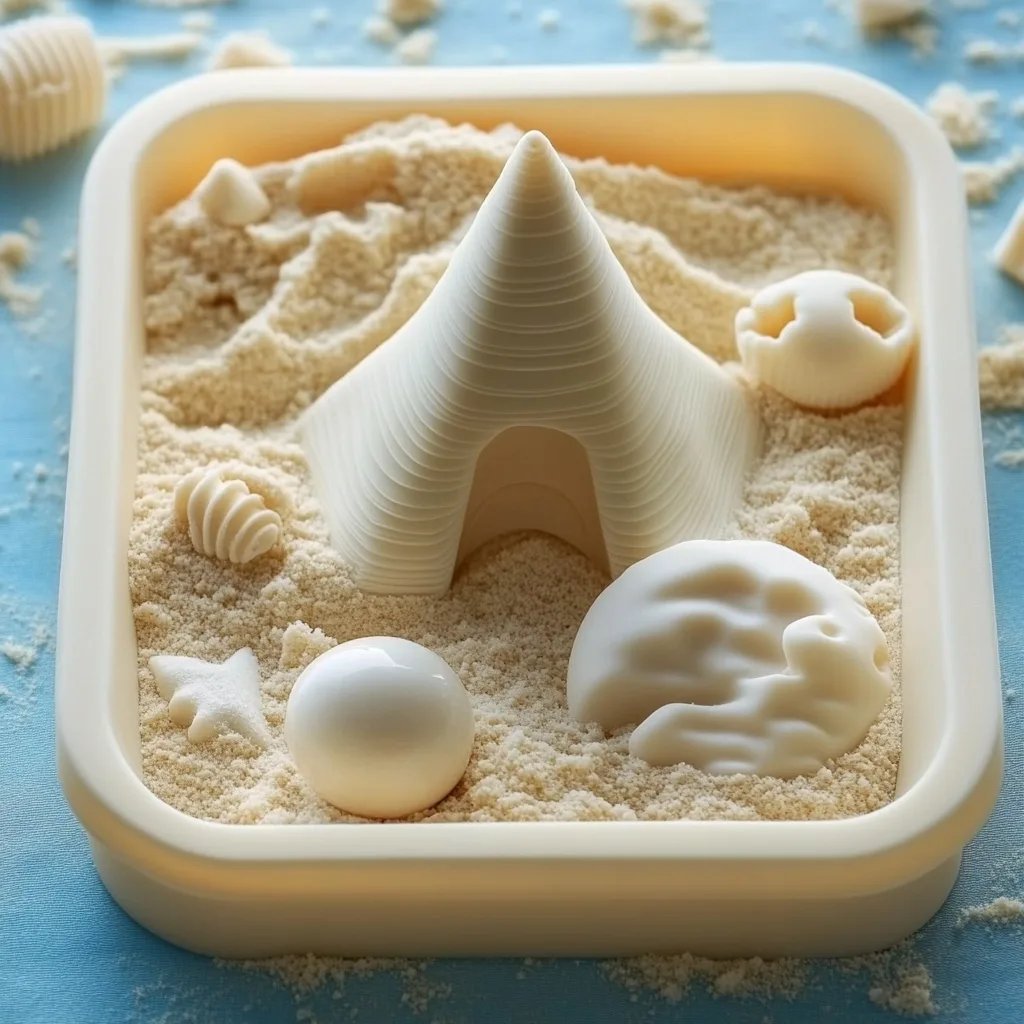
When I first stumbled upon the concept of moon sand, I was instantly captivated. It's a magical substance that captures the essence of sand but with a unique twist: it's moldable, silky to the touch, and oh-so-fun for kids (and adults alike). Moon sand has become a popular choice for sensory play, creative projects, and even just a calming activity at home. Whether you’re hosting a birthday party, looking for indoor activities on a rainy day, or simply wanting to explore your creative side, moon sand is the perfect companion.
Today, I’m excited to share my favorite recipe for making DIY moon sand, along with tips, troubleshooting advice, and fun variations to inspire your crafting journey.
What You'll Need
Creating moon sand is incredibly easy, and you'll be surprised at how few ingredients you actually need. Here’s what you'll want to gather:
- Flour – 8 cups (this will be our primary ingredient)
- Vegetable Oil – 1 cup (acts as a binding agent)
- A large bowl for mixing
- Mixing utensil (a spatula or your hands)
- Optional: Food coloring or glitter for fun variations
- Container for storage (always helpful for clean-up)
Why These Ingredients Matter
- Flour: This serves as the foundation of your moon sand. It provides the structure that makes it feel uniquely pliable yet crumbly.
- Vegetable Oil: This gives the moon sand its signature silky texture and enhances its moldability. Using too much can make the mixture greasy, while too little can result in a dry product.
- Food coloring or glitter: These are optional, but they can transform your moon sand into a visual delight, adding a personal touch!
Step-by-Step Tutorial to Make Moon Sand
Step 1: Gather Your Ingredients
Before starting, ensure you have all your ingredients and tools at hand. Set up a clean workspace where you can create without distractions.
Step 2: Measure the Flour
Using a measuring cup, scoop out 8 cups of flour into your large bowl. I like to use all-purpose flour for the best results, but feel free to experiment with whole wheat flour for a different texture!
Step 3: Add the Vegetable Oil
Next, pour in 1 cup of vegetable oil over the flour. This is where the magic starts to happen! The flour will absorb the oil, creating that distinctive moon sand consistency.
Step 4: Mix It Up
This is the fun part! Grab a spatula or use your hands to mix the flour and oil. If you choose to use your hands, I recommend wearing some kitchen gloves for easy clean-up. You want to mix until everything is combined, and the texture is somewhat like wet sand. It should hold its shape when you squeeze it in your hand—like perfect sandcastle-making sand!
Step 5: Test the Consistency
If your moon sand feels too crumbly and doesn’t hold together, slowly add more oil, a tablespoon at a time, until you reach the right consistency. Conversely, if it feels too oily, add a bit more flour. This trial and error is part of the fun! After all, crafting is about learning as you go.
Step 6: Add Color
At this point, if you want to add a fun twist, you can mix in a few drops of food coloring and stir well, or sprinkle in some glitter for a magical sheen. Just remember, the more you add, the more it may affect the texture, so gently fold in your color choices!
Step 7: Enjoy Your Moon Sand
Now that your moon sand is complete, it’s time to play! Encourage little hands (or big ones) to mold, shape, and create. Use cookie cutters, molds, or just craft your unique pieces freehand.
Troubleshooting Tips: What Could Go Wrong?
- Moon sand is too dry: If your mixture crumbles and doesn’t hold its shape, it simply needs more oil. Add a little at a time while mixing until you get that perfect sandy feel.
- Moon sand is too oily: If you've added too much oil, it can feel greasy. Add a bit more flour, gradually, until you balance the ingredients.
- Color is uneven: If you find that your color is not spreading evenly, try mixing more thoroughly or add a few drops at a time until you achieve a consistent shade.
Creative Variations
- Color Swap: Instead of food coloring, consider using colored sand or different types of flour (like dyed coconut flour) for unique textures.
- Themed Moon Sand: Tie your moon sand to a theme—pink for a princess party, or earthy tones for a construction-themed play date.
- Eyeball Challenge: Hide small plastic eyeballs or other toys in the sand for a sensory scavenger hunt. Kids will love digging through to find hidden treasures!
Safety Warnings
While all the ingredients in moon sand are generally safe, remember that this is not edible! Always supervise young children during play, as there may be small choking hazards when using add-ins like glitter and small toys.
Personal Anecdotes
One of my favorite memories of making moon sand was during a family gathering—it was a hit with kids and adults alike! We set up a “Moon Sand Station” outside, complete with molds and tools. Watching the kids immerse themselves in creativity while building castles and creatures was pure joy. It sparked inspiration and encouraged all of us to let our imaginations run wild, showing just how universal and timeless play can be.
Conclusion
Making DIY moon sand is not just a simple crafting project; it’s an experience that fosters creativity, exploration, and sensory play. By following this guide, you can create your batch of moon sand to share with friends and family or keep for your own moments of relaxation. The possibilities are endless, limited only by your imagination.
So, what are you waiting for? Gather your ingredients and start your moon sand adventure today! Happy crafting!