How to Make DIY Floam: A Comprehensive Guide to Crafting Your Own Fun and Squishy Sensation
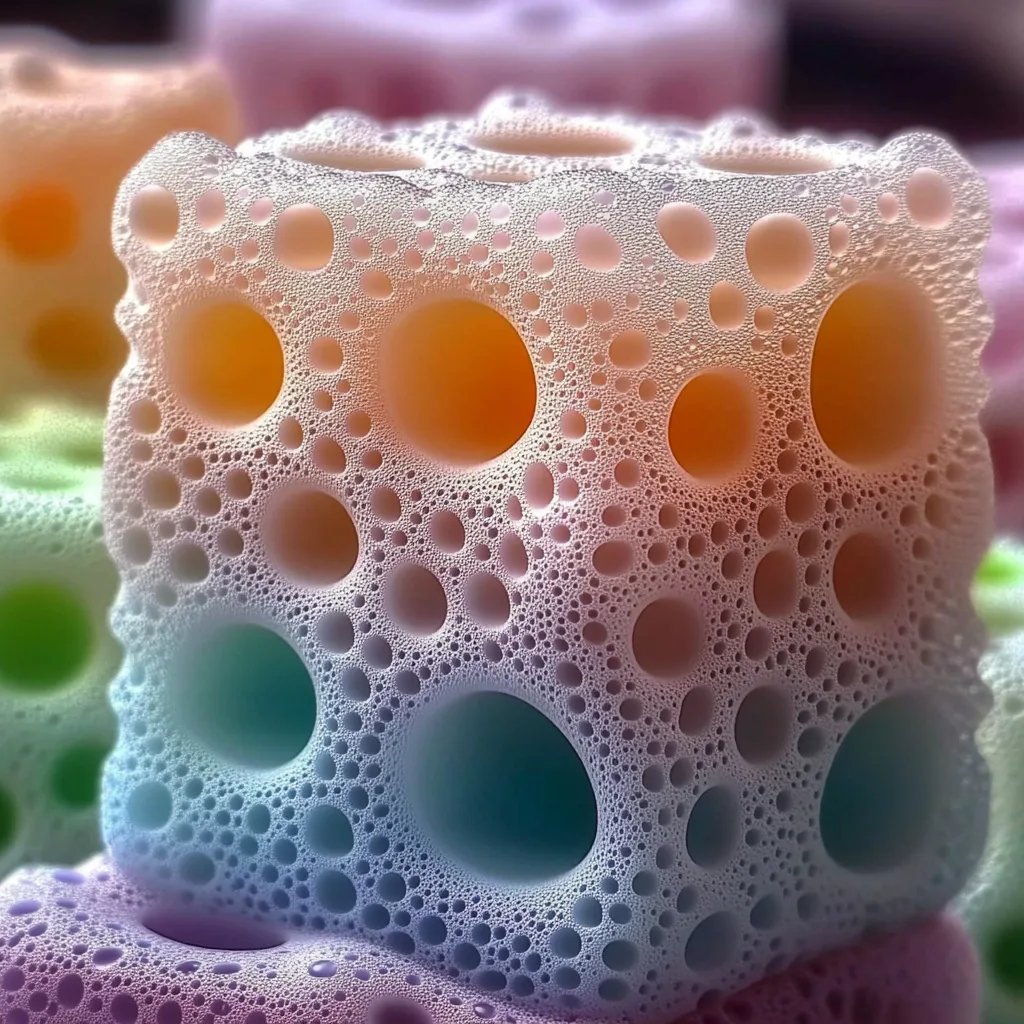
Hello, fellow crafters! Today, I’m thrilled to share one of my favorite DIY projects: making floam. If you haven’t encountered floam yet, let me paint a picture for you. Floam is this incredibly satisfying, squishy substance that combines the fun of slime with the tactile delight of foam beads. It’s perfect for stress relief, creative play, or as a unique addition to your DIY projects. Whether you’re looking to craft with your kids, create some sensory play for special needs children, or just indulge in a satisfying activity, floam can be a fantastic choice. Let’s dive into the process of making your own floam at home!
Why Floam is So Popular
Floam has gained popularity for a multitude of reasons. It’s fun, it’s visually appealing—with those bright colors and little beads—and it provides an exhilarating sensory experience. Whether used for stress relief, educational play, or simply as a DIY project, floam offers versatility. It’s also easy to customize, so you can create unique textures or colors that suit your preferences.
Now, let’s trade some of that fun for practical knowledge. I’ve made floam countless times, and I can’t wait to guide you through my entire process—mistakes, fixes, and all.
What You'll Need
Before we dive in, let's gather our supplies. You’re going to need:
- Glue: White school glue or clear craft glue (about 1 cup). Make sure it’s non-toxic if younger kids will be involved.
- Foam beads: These can typically be found in craft stores or online.
- Acrylic paint or food coloring: For color; it’s your choice!
- Borax solution: To activate the floam (1 teaspoon of Borax mixed with 1 cup of warm water).
- Water: For mixing.
- Bowls: Mixing bowls and a separate bowl for your borax solution.
- Spoon or spatula: For mixing.
- Optional: Glitter or essential oils for scent.
Step-by-Step Tutorial
Let’s get crafting!
Step 1: Prepare Your Workspace
Before starting, I highly recommend setting up a clean workspace. Lay down some newspaper or a disposable tablecloth to protect your surface from spills.
Step 2: Mix Your Glue and Water
In a mixing bowl, combine 1 cup of glue with 1/2 cup of water. This dilution helps achieve the right consistency for your floam. Mix thoroughly! A well-mixed solution ensures that you avoid patches of gooey glue in your final product.
Tip: If you want colored floam, now’s the time to add a few drops of acrylic paint or food coloring. Don't overdo it—start with a couple of drops and add more if you want a more vibrant color.
Step 3: Add Your Foam Beads
Stir in about 1/2 cup of foam beads into your glue mixture. The more beads you add, the more textured your floam will be. They provide that amazing crunchiness and squish that makes floam so delightful!
Tip: Experiment with different sizes of foam beads—mini beads lead to a fine texture, while larger ones can give your floam a more chunky feel.
Step 4: Activate Your Floam
Here’s where the magic happens! In a separate bowl, mix 1 teaspoon of Borax with 1 cup of warm water. Stir until the Borax dissolves completely. Gradually pour this solution into your glue-bead mixture while stirring continuously.
Why stir constantly? This helps evenly distribute the Borax solution, ensuring that your floam activates uniformly.
Common Issue: If your mixture feels too runny, add a touch more Borax solution—but do this gradually! Too much activation can lead to a rubbery texture.
Step 5: Knead and Play
Once you notice it starting to pull away from the bowl, it's time to get your hands in there! This step is where you begin kneading the floam. Don't worry if it feels sticky initially; as you knead, it will come together beautifully.
Step 6: Store Properly
To keep your floam fresh, store it in an airtight container. It should last for weeks if kept away from air and ideally in a cool place.
Tips for Success and Common Fixes
- Consistency: If your floam is too sticky, mix more Borax solution. If it’s too crumbly, try a small drizzle of water to bring it back to life.
- Color and Texture: Feel free to mix colors or add glitter for extra flair. Just ensure that glitter doesn't overwhelm the texture you're aiming for.
- Safety: Always wash your hands before and after crafting, especially if working with Borax. It’s generally safe in this diluted state, but always supervise younger crafters.
Creative Variations
Once you’ve mastered the basic floam recipe, feel free to experiment! Here are a few ideas:
- Scented Floam: Add a few drops of essential oils to the glue-water mixture for a delightful sensory experience.
- Glitter Floam: Incorporate fine glitter into your mixture for a sparkling effect that’s perfect for a special occasion.
- Theme Floams: Make holiday-themed colors (for example, orange and black for Halloween) and use them in decor or sensory bins.
Final Thoughts
I truly hope this guide has inspired you to get crafty and dive into the delightful world of DIY floam! Not only is it enjoyable to make, but it's a sensory wonder that provides hours of play. As someone who's played with different recipes and variations, I can confidently say that your floam will always turn out great as long as you follow those steps and adjust based on what works for you.
Remember, crafting is all about discovery—don't be afraid to experiment and make it your own! Happy crafting!