How to Make DIY Bouncing Bubbles: A Fun and Engaging Craft for All Ages
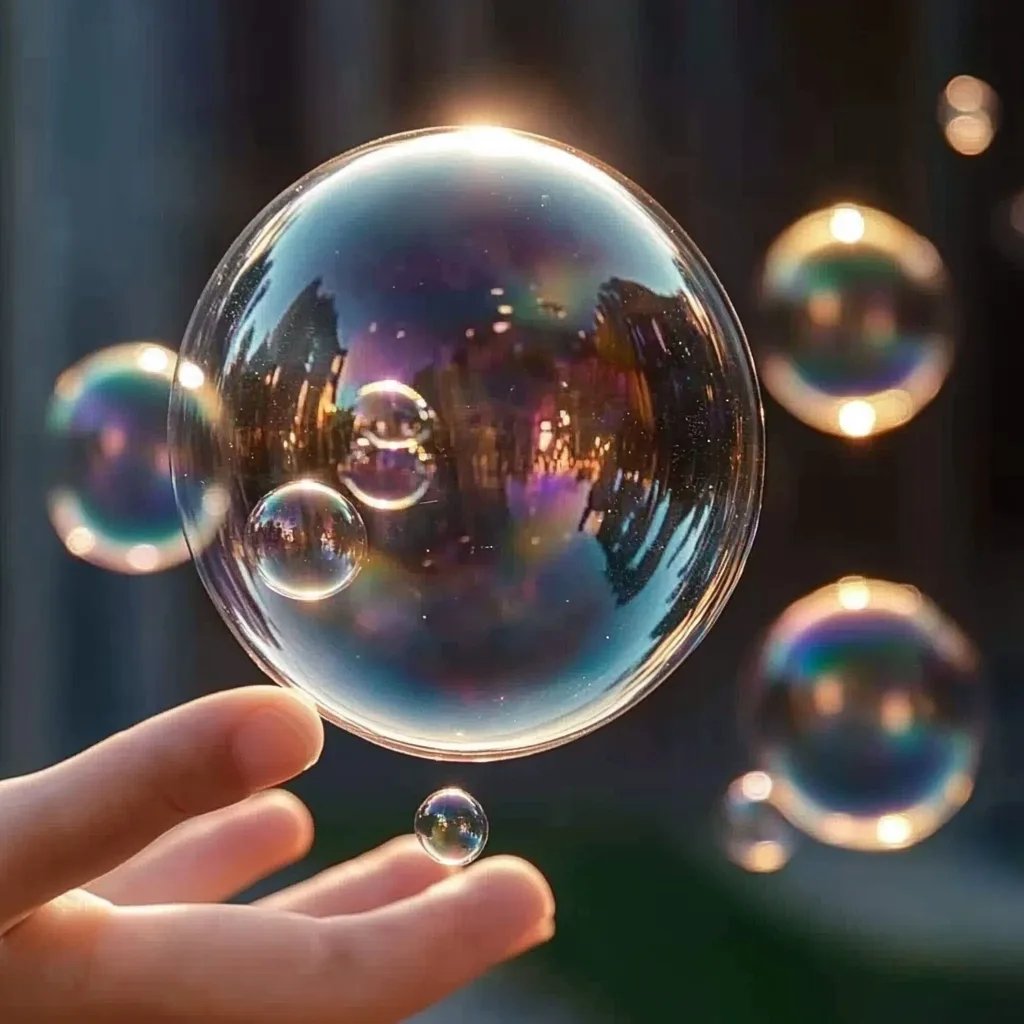
Welcome to my crafting corner! Today, I'm excited to share one of my absolute favorite projects: DIY Bouncing Bubbles. These magical bubbles aren't just fun to blow—they can bounce and be picked up, transforming a simple outdoor activity into an interactive delight. They’re incredibly popular because they bring joy to everyone, from kids to adults, and they make for perfect party tricks or delightful backyard playtime.
Why Bouncing Bubbles?
Bouncing bubbles have been a beloved sensation for years, captivating imaginations and providing a wonderful way to explore the fascinating science of surface tension and air pressure. I remember the first time I made them with my niece; her eyes lit up with wonder as she watched the bubbles soar and bounce on the grass. It’s a perfect activity for birthday parties, outdoor gatherings, or just a playful afternoon at home. Not only are they engaging, but they also encourage creativity and scientific curiosity!
Materials You’ll Need
Before we dive into the steps, let's gather our materials. Don't worry; everything is easy to find in your kitchen or local store!
- 1/2 cup of dish soap (choose a gentle dish soap with fewer additives for better results)
- 3 cups of water (tap water works, but distilled can yield better quality bubbles)
- 1 teaspoon of glycerin (this thickens the solution and helps the bubbles hold together more)
- A mixing bowl
- A whisk or a spoon
- Bubble wand (you can use a store-bought one or make your own with pipe cleaners or straws)
- Container for storage (a mason jar or plastic container will work well)
- Optional: Food coloring for a fun twist and glitter for a visual effect
Step-by-Step Tutorial: Crafting Your Bouncing Bubbles
Step 1: Mix the Ingredients
In a mixing bowl, combine the water and dish soap. I like to pour the water first before gently adding the dish soap to minimize bubbles during mixing. Stir the mixture slowly to avoid creating a froth, which can interfere with bubble formation.
Why this matters: Mixing properly ensures that the ingredients combine without introducing excess air. Too many bubbles mean your solution will break down more quickly.
*Common Mistake:* If you see a lot of froth at this stage, it could lead to weak bubbles. If this happens, let your mixture sit for a little while to allow the foam to settle before continuing.
Step 2: Add Glycerin
Once the soap and water are well combined, it’s time to add the glycerin. This ingredient is critical as it strengthens the bubbles and allows them to bounce instead of burst. Stir very gently until it’s completely mixed in.
Tip: If you don’t have glycerin, you can use light corn syrup as a substitute, although it might slightly alter the bubble bounciness.
Step 3: Let the Mixture Rest
After mixing the ingredients, let your bubble solution sit for at least 24 hours. This resting period allows the soap molecules to fully integrate and make the bubbles stronger. This step is just as crucial as mixing!
Why it's important: A well-rested solution creates thicker, more durable bubbles.
Step 4: Prepare Your Wand
If you’re using a store-bought wand, you’re set! If you want to get crafty (which I highly recommend), you can create your own bubble wand. Simply bend a pipe cleaner into a circular shape, leaving a long enough handle to hold. You could also use two straws—one shorter than the other—connected by a piece of string to create a bubble-blowing tool!
Creative twist: If you’d like to make colored bubbles, simply add a few drops of food coloring to your solution and see how they turn out!
Step 5: Go Outside and Start Blowing!
Now comes the most exciting part! Find an outdoor area free of debris and wind to avoid pop-prone bubbles. Dip your wand into the bubble solution, ensuring it's fully coated, and use a gentle blowing motion to create bubbles.
What could go wrong: If your bubbles keep popping, it might be due to excessive wind or not enough glycerin in your solution. Adjusting the environmental variables can often solve this, or you can simply try again when the breeze dies down.
Step 6: Bouncing Time!
To experience the magic of bouncing bubbles, gently catch them on a flat surface (like your palm or a patch of grass). Watch as they bounce and float away instead of bursting!
Tips for Success
- Store the Solution Properly: Keep any leftover bubble solution in a sealed container for next time. Just give it a gentle stir before using.
- Experiment with Ratios: If you want even bouncier bubbles, consider experimenting with your ratios—more glycerin and less soap can yield interesting results!
- Play with Texture: Add glitter to the solution for sparkly bubbles your kiddos will adore—or essence oils for a delightful scent.
Safety Warnings
- Avoid ingestion: It’s best not to taste the bubble solution (even if it looks delicious!), so keep it out of reach of younger children.
- Glycerin in moderation: While glycerin is safe, excessive use can make the bubbles oily or create a slippery surface.
Conclusion
Crafting your own bouncing bubbles is not just an activity; it's an experience filled with joy, laughter, and creativity! I hope this tutorial inspires you to gather your friends and family, head into the yard, and create memories together through this enchanting craft. Remember, it's all about the process and the shared joy it brings—so don’t be discouraged if things go awry. Each attempt will take you one step closer to bubbly perfection!
Now that you know how to make these DIY bouncing bubbles, the only challenge left is to enjoy them. Get creative, have fun, and remember to leave a comment below sharing your bubbly adventures! Happy crafting!