How to Make DIY Aroma Stones: A Step-by-Step Guide to Creating Your Own Fragrant Masterpieces
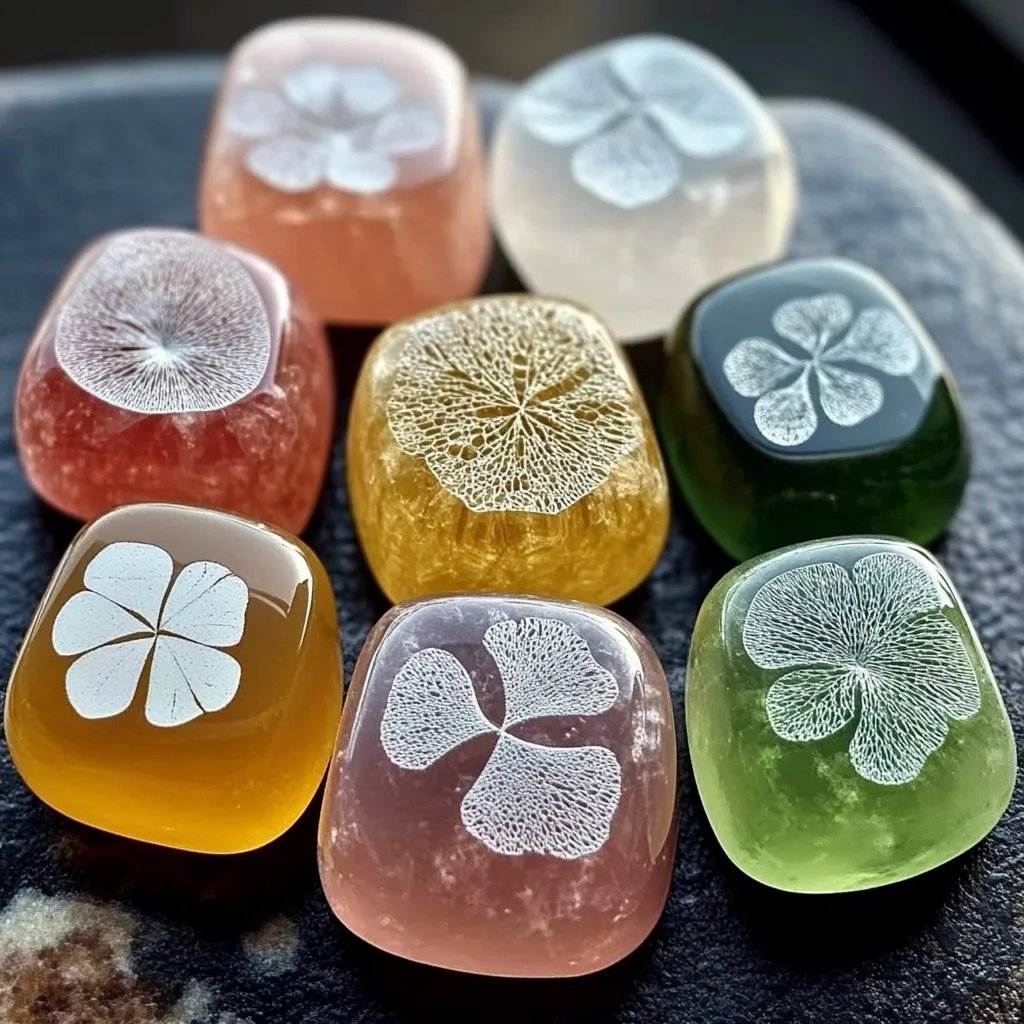
Hello fellow crafters! Today, I am thrilled to share with you one of my favorite projects: DIY aroma stones. If you’re not familiar, aroma stones are porous, often decorative stones infused with essential oils that release their fragrance slowly over time. They’re popular for their simplicity, versatility, and ability to enhance any space with delightful scents. Plus, they make fantastic gifts and a beautiful addition to your home decor.
Why Make Aroma Stones?
The allure of aroma stones lies in their ease of use and natural fragrance. Unlike candles or diffusers, aroma stones are a wonderful, low-maintenance option that can last for weeks. You can use them in various settings: place them in your living room for a calming ambiance, use them in your bedroom for a relaxing atmosphere, or add them to your car for a refreshing scent during drives.
Materials You'll Need
Before we dive into the process, let me share with you the materials I use for my DIY aroma stones:
- Air-Dry Clay or Natural Clay: This is the base for our aroma stones. Air-dry clay is convenient, but regular clay can also be used if fired in a kiln.
- Essential Oils: Choose your favorite scents—lavender for calming, citrus for energizing, or eucalyptus for freshness.
- Cookie Cutters or Molds: These will help create the shape of your stones.
- Rope, String, or Twine: For hanging if you desire.
- A Rolling Pin: To flatten the clay.
- Baking Sheet: For the drying process (if you're using air-dry clay).
- Paint (Optional): If you want to add some color to your stones.
- Glitter (Optional): For some sparkle!
- Sealant (Optional): If you want to protect your stones from moisture once they are finished.
Step-by-Step Guide to Making Your Aroma Stones
Step 1: Preparing Your Clay
Start by working with your air-dry clay or natural clay. If you choose air-dry clay, it’s usually soft enough to knead with your hands. Take a medium-sized chunk, about the size of a baseball, and knead it until smooth. This step is crucial as it removes air bubbles that can cause the stones to crack while drying.
Tip: If you’re using natural clay, keep it moist, and always cover it when not in use to prevent it from drying out.
Step 2: Shaping Your Stones
Using your rolling pin, flatten the kneaded clay to about ¼ inch thick. The thickness of the stone matters. Too thin, and it may break easily; too thick, and it won’t absorb the scent effectively.
Next, use cookie cutters or molds to cut out your desired shapes. You can cut squares, circles, or even more intricate designs based on your aesthetic preference. Once cut, you can gently shape them with your fingers to smooth the edges—this creates a more aesthetically pleasing finish.
What could go wrong? If your shapes are too thin, they may crack while drying. If that happens, simply blend the pieces back together and re-roll.
Step 3: Drying Your Stones
Place your freshly cut aroma stones onto a baking sheet lined with parchment paper to avoid sticking. Follow the manufacturer’s instructions for drying time. Air-dry clay typically takes about 24 hours to dry fully, while traditional clay needs to be fired in a kiln.
Safety Warning: If you’re using traditional clay, ensure you follow safety measures while working with the kiln. Always work in a well-ventilated area.
Step 4: Adding Fragrance
Once your stones are dried, it’s time to infuse them with essential oils. Simply choose your favorite essential oil blend, and apply a few drops to the stones. Allow them to soak for a few minutes. The porous nature of the clay will absorb the oils, ensuring a long-lasting fragrance release.
Tip: Start with a small amount of oil, as you can always add more. Too much oil can saturate the stones and cause them to lose stability.
Step 5: Optional Decorating
If you desire to add some personal flair, now’s the time! You can paint your stones with non-toxic acrylic paint or apply some glitter for a sparkle effect. If you decide to paint them, make sure the paint is completely dry before adding essential oils.
Step 6: Sealing Your Aroma Stones
To prolong the life of your aroma stones, consider applying a sealant once they are fully dry and painted (if desired). This will protect the stones from moisture and keep them intact. Make sure to choose a non-toxic sealant, especially if they will be around pets or children.
Alternative Methods and Ingredient Substitutions
If you’re looking for a quick alternative, you can use natural stones (like river rocks) instead of clay. Simply wash and dry them, then proceed to add the essential oils. While they won't hold the scent as long as clay, they still make for a lovely addition to any space.
Creative Variations
- Scented Confetti Stones: Mix dried herbs or spices into the clay for added texture and scent. Think chamomile, peppermint, or dried lavender.
- Seasonal Scents: Create stones with scents for different seasons! Cinnamon for fall, peppermint for winter, florals for spring—let your creativity run wild!
- Layered Colors: If you're feeling adventurous, use multiple colors of clay to create a marbled effect before cutting your shapes.
Personal Anecdotes
The first time I made aroma stones, I got a little carried away with the essential oils, and my entire craft room scented like a spa for days! But rather than getting discouraged, I realized it was an opportunity to share the love of scents throughout my home. Now, my family and I enjoy seasonal scents, and I often gift them to friends during holidays or birthdays.
Final Thoughts
Making your DIY aroma stones is not just a fun crafting activity; it’s a chance to infuse your space with your favorite scents while creating unique home decor. By following these steps, you’ll master the art of aroma stone making and possibly spark a new hobby.
Happy crafting, and may your home be filled with lovely fragrances that uplift your spirit every day! If you have any questions or your own unique variations, I’d love to hear them! Let's create a fragrant community together. 🌸