How to Make Cornstarch and Dish Soap Slime: A Fun and Easy Guide
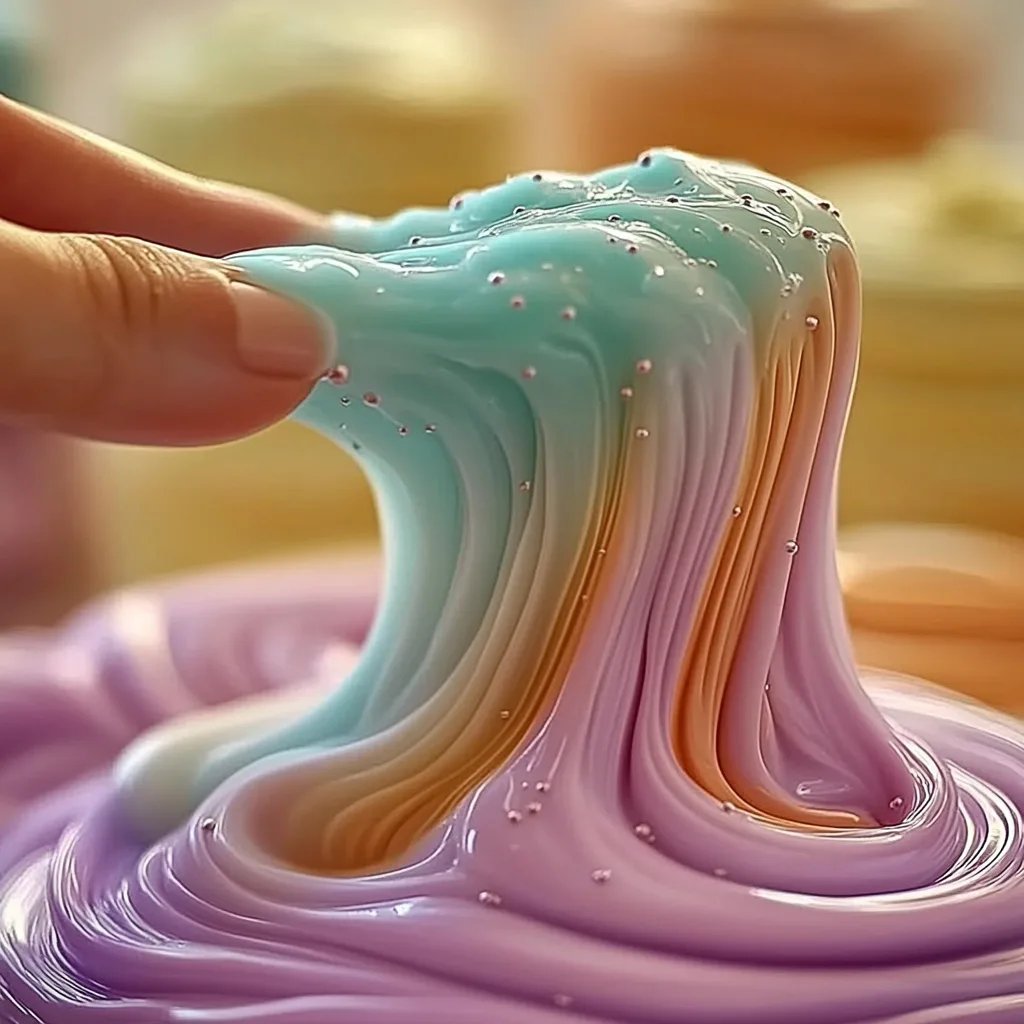
As an avid crafter and DIY enthusiast, I’m excited to share one of my favorite slime recipes with you today: Cornstarch and Dish Soap Slime! This delightful concoction has become increasingly popular among kids and adults alike—thanks to its unique texture and ease of creation. Why is this slime such a hit, you ask? For starters, it’s a non-toxic alternative to traditional slime made with borax or glue, making it a perfect option for family-friendly crafting. Plus, it’s wonderfully stretchy and satisfying to play with—ideal for sensory play or just some good old-fashioned fun!
This slime is also incredibly versatile: you can use it for a rainy day activity, a science experiment, or even as a homemade stress reliever. So, let’s roll up our sleeves and dive into this simple process; I promise you’ll feel like a slime-making pro by the end!
What You'll Need
Before we jump into the steps, let’s gather our materials. You won’t need any fancy equipment; just some everyday household items will suffice:
- 1 cup of cornstarch (this will give your slime that unique fluffy texture)
- ½ cup of dish soap (makes the slime stretchy and easy to mold)
- Food coloring (optional, for adding a pop of color!)
- Mixing bowl
- Spoon or spatula (for mixing)
- A clean surface or table for kneading
Step-by-Step Guide to Making Cornstarch and Dish Soap Slime
Step 1: Measure Your Ingredients
Start by measuring out 1 cup of cornstarch and pouring it into your mixing bowl. Next, measure out ½ cup of dish soap. I’ve found this ratio works best for achieving the perfect slime consistency. I recommend using a regular dish soap (not the antibacterial kind, as it can sometimes affect the slime’s texture).
Step 2: Combine Ingredients
Begin by pouring your measured dish soap directly into the bowl with the cornstarch. This step is crucial: turn your bowl so the cornstarch gathers at the bottom, allowing the soap to settle in slowly. Trust me, rushing this step can lead to an uneven mixture.
Step 3: Mix!
Take your spoon or spatula and start mixing the ingredients together. At first, it may seem like a strange, crumbly mess, and that’s perfectly okay! As you continue to mix, it will come together. Keep stirring until you can no longer see any dry cornstarch.
Step 4: Knead the Slime
Once the slime mixture starts to come together, it’s time to get your hands in there! The best way to do this is to reach in and knead the mixture like dough. It might feel a bit sticky at first, but keep working it until it reaches a smooth and stretchy consistency. This tactile engagement is my favorite part of the process!
Step 5: Add Color
If you’d like to add some vibrancy to your slime, now’s the time to incorporate food coloring. Just add a few drops into the mix and knead until you achieve your desired shade. Remember, less is more when it comes to food coloring; you can always add more!
Troubleshooting Common Issues
- Too Sticky? If your slime is too sticky and doesn’t hold together, you may need to add a bit more cornstarch until it reaches the right texture. Start with 1 tablespoon at a time.
- Too Crumbly? On the flip side, if your slime is too dry or crumbly, add more dish soap gradually—just a teaspoon at a time—to restore elasticity.
Tips and Personal Anecdotes
Throughout my many slime-making adventures, I’ve learned a few things that could help you:
- Experiment with Textures: Don’t hesitate to think outside the box! Try adding glitter or small foam beads for extra fun. This can provide a sensory experience that’s even more enjoyable.
- Clean Up: Slime can be a bit messy, so lay down a protective sheet or do the activity at a table that can handle a little cornstarch. It’s easier to clean up that way!
- Storage: I always recommend storing your slime in an airtight container when not in use. It can last up to a week without drying out, but ensure to keep it away from direct sunlight or heat sources.
- Share the Love: Consider inviting friends or family to join the slime-making process. It turns into a wonderful bonding experience, complete with giggles and goo!
Safety Precautions
While this slime is non-toxic, it’s always a good idea to supervise young children during the creation and play process. Make sure they understand not to ingest the slime, even though the ingredients are safe. Also, keep an eye on any allergies, especially if you're using dish soap that contains various chemicals.
Creative Variations to Try
Now that you’ve mastered the basics, why not experiment with some variations?
- Scented Slime: Add a few drops of essential oil to the mix for a fragrant twist.
- Glitter Slime: Incorporate glitter for some sparkly magic.
- Colored Layers: Split the dough into parts, color each, and layer them for a fun striped effect.
Conclusion
Making cornstarch and dish soap slime is not just a creative activity; it’s an opportunity to engage with your senses and channel your inner child. I hope my tips and insights have encouraged your crafty spirit. Gather your children, friends, or even embark on this adventure solo, because crafting is for everyone! Enjoy the delightful process and keep experimenting with ingredients to find out what works best for you and your slime. Now go forth and make some gooey magic! Happy sliming!