How to Make Colorful DIY Play Dough: A Crafting Journey
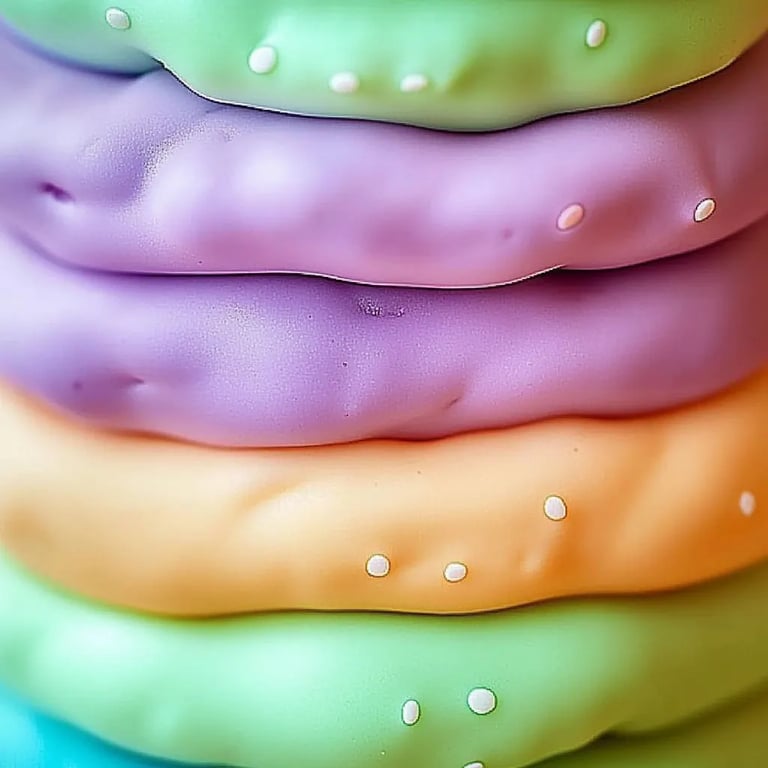
As a seasoned crafter and a proud parent, I can't emphasize enough the sheer joy and creativity that comes from making your own colorful DIY play dough. This versatile, malleable substance is more than just a fun pastime for kids; it serves as an amazing tool for developing fine motor skills, fostering creativity, and having heartwarming moments as a family. It's perfect for rainy days, birthday parties, or simply an afternoon spent crafting together. Plus, once you master this recipe, the variations are endless!
What is Play Dough and Why is it Popular?
Play dough is a soft, pliable substance that can be shaped into various forms, making it ideal for imaginative play. Popularized in the 20th century, it has become a staple in homes and schools around the world. There’s something intrinsically soothing about squishing, rolling, and molding play dough that captivates children and adults alike. From creating simple shapes to detailed sculptures, play dough invites endless possibilities.
The Ingredients You'll Need
Before diving into the creative process, let's gather some simple ingredients. I'm a firm believer that crafting should be accessible, so here's what you’ll need:
Base Ingredients:
- 2 cups all-purpose flour: This forms the bulk of the dough.
- 2 cups water: Provides moisture and helps bind the dough.
- 1 cup salt: Acts as a preservative and gives the dough its texture.
- 2 tablespoons vegetable oil: Adds elasticity and smoothness to the dough.
- 2 tablespoons cream of tartar: This ingredient balances the pH and enhances the dough's pliability.
For Coloring:
- Food coloring: The star of our show! You can choose liquid or gel food colors, but I recommend gel for more vibrant shades. You can also use natural dyes from fruits and vegetables if preferred.
Optional Additives:
- Essential oils: For a sweet-smelling playtime.
- Glitter: For a magical touch!
Step-by-Step Tutorial: Making Your DIY Play Dough
Step 1: Combine Dry Ingredients
In a large mixing bowl, combine your flour, salt, and cream of tartar. I always whisk these dry ingredients first to ensure an even distribution. This step is crucial because, if the salt clumps together, it can create uneven textures in your play dough.
Step 2: Mix the Wet Ingredients
In a separate bowl, mix the water, vegetable oil, and your desired food coloring. If you want a variety of colors, you can divide this mixture into smaller bowls and add different colors to each. This is a great moment to experiment! I once made a rainbow batch, and the kids loved it.
Step 3: Combine Both Mixtures
Pour the wet mixture into the dry bowl gradually, stirring continuously with a wooden spoon. You'll notice the mixture beginning to thicken. Here’s a helpful tip: if you find it too dry, add a little more water (just a teaspoon at a time). A common mistake is to add too much liquid at once; it’s better to go slow.
Step 4: Cook the Mixture
Transfer the combined mixture to a non-stick pot and heat it over medium heat. Stir constantly. Pay close attention as the dough begins to cook; it can transform from a runny mixture to a solid mass quite quickly (usually within 3-5 minutes).
What Could Go Wrong?
If your dough starts to stick to the bottom of the pot or becomes too dry, reduce the heat or add a little water, respectively.
Step 5: Knead the Dough
Once the dough pulls away from the sides of the pot and forms a ball, it's time to transfer it to a clean surface. Allow it to cool slightly, then knead it with your hands for about 3-5 minutes. This is a lovely moment for sensory exploration! Be mindful, though; if it’s too hot, wait longer before kneading.
Step 6: Store Your Play Dough
After kneading, let your dough cool completely. Store your play dough in airtight containers or resealable bags. This will help keep it fresh for up to several weeks!
Creative Variations and Tips
- Color Blending: After you’ve made the base dough, divide it into portions and mix different colors to explore creating new hues. The kids will love experimenting with color theory!
- Scented Play Dough: Add a few drops of essential oils like lavender or vanilla to make the experience even more delightful.
- Textured Dough: Mix in materials like sand, oatmeal, or small beads for stimulating tactile experiences.
Safety Warnings
While play dough is safe for most children, ensure that they are supervised during play, especially if they’re very young. If ingestion occurs, keep an eye on them but usually, it's non-toxic. If you're working with natural dyes, do some research to confirm they’re safe for your child.
A Personal Anecdote
I remember the first time I made play dough with my kids. It was a rainy Saturday, and I pulled together the ingredients, thinking it would be a simple way to pass the time. We ended up not just crafting dough, but creating a beautiful afternoon filled with laughter, bonding, and endless creations. My daughter made a sculpture of a cat that still sits proudly on her shelf, a testament to her imagination—and my crafting skills!
Conclusion: Unleash Your Creativity!
Making colorful DIY play dough not only provides hours of creative fun but also encourages educational play through sensory experiences. By following this guide, you’ll create beautiful and versatile play dough right in your kitchen, perfect for kids of all ages. So gather your ingredients, unleash your inner artisan, and dive into the wonderful world of DIY crafting. Remember, every creation is unique, just like you! Happy crafting!