How to Make Colored Chalk for Sensory Play: A Step-by-Step Guide
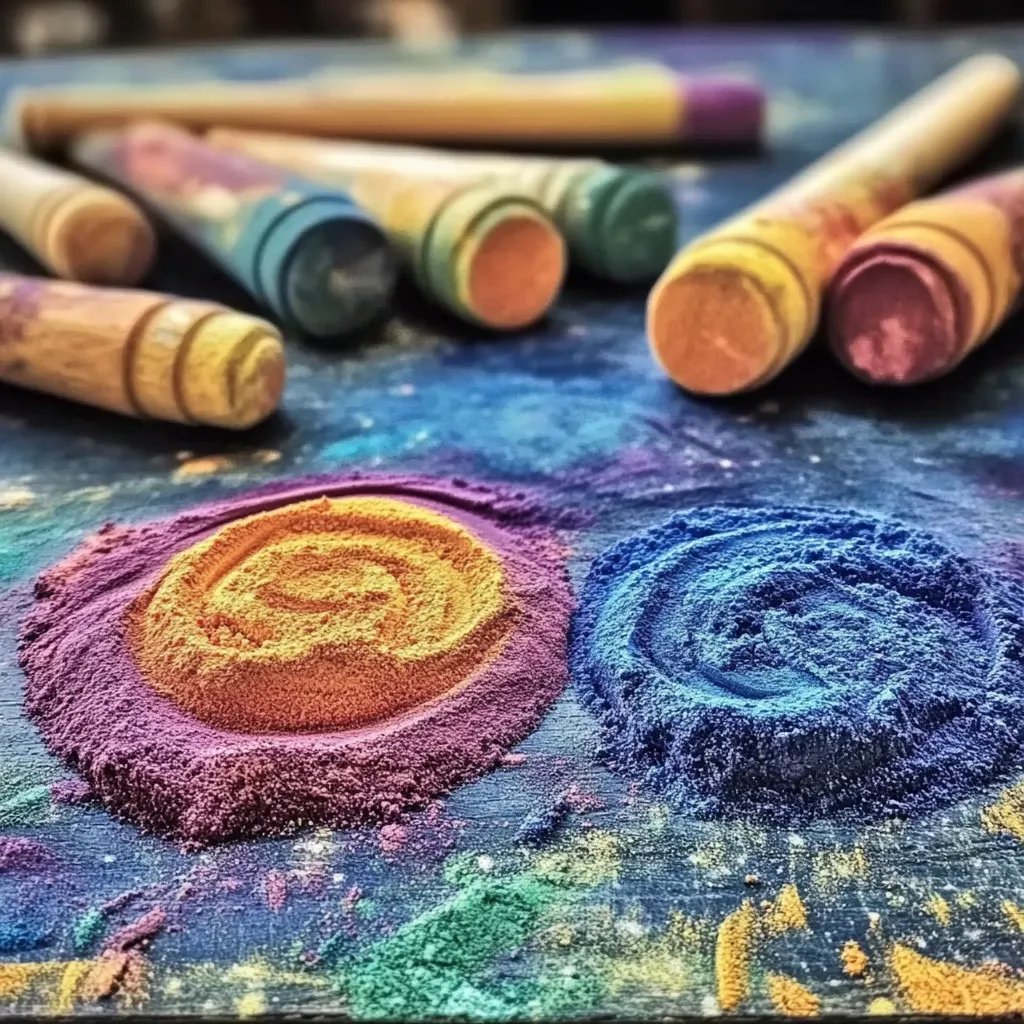
Hello, fellow crafters! Today, I’m thrilled to share my process for creating colorful, homemade chalk for sensory play—a delightful experience for kids and adults alike. Whether you're a parent looking to engage your children in a fun, creative activity or an educator seeking new tools for your classroom, this project is perfect for you. Not only is colored chalk a fantastic medium for artistic expression, but it also offers a tactile experience that supports sensory development, fine motor skills, and imaginative play. So, roll up your sleeves, because we’re about to dive into the wonderful world of DIY chalk-making!
What Is Colored Chalk?
Colored chalk is a vibrant, versatile medium primarily used for drawing on surfaces like sidewalks, chalkboards, or even in interactive art projects. It’s non-toxic, easy to clean, and best of all, completely customizable in color and texture. Making your own chalk at home is not only cost-effective but also a rewarding experience that can become a cherished family tradition. As a bonus, making chalk is an excellent opportunity for kids to understand basic science through the fun of experimenting with mixtures.
When to Use Colored Chalk
There’s no wrong time to bring out your colored chalk! Here are just a few occasions where homemade chalk shines:
- Outdoor Play: Rainy day? No problem! Grab your homemade chalk and head out for some creative outdoor artwork!
- Sensory Bins: Add pieces of chalk to sensory bins to create a vibrant tactile experience for your little ones.
- Art Projects: Encourage creativity by using chalk in artwork both at home and in schools.
- Seasonal Fun: Decorate your driveway for holidays or celebrations—imagine a colorful chalk display for Easter or Halloween!
Materials You’ll Need
Here's what you'll need to create your own colored chalk:
- 1 cup of Plaster of Paris: This is the main ingredient that binds your chalk together.
- Water: Used to mix with the Plaster of Paris.
- Food coloring or powdered paint: For adding vibrant colors. You can experiment with different pigments!
- Mixing bowl: A large bowl for combining ingredients.
- Stirring stick: Something to mix your ingredients together. A wooden stick or spoon will do!
- Muffin tin or silicone molds: To shape your chalk. Silicone molds come in all sorts of fun shapes!
- Plastic gloves (optional): To protect your hands from staining due to food coloring.
Step-by-Step Tutorial
Let’s get crafting! Follow these steps to make your very own colored chalk:
Step 1: Prepare Your Workspace
Before you dive in, cover your work area with newspaper or a plastic tablecloth to catch any spills. Plaster of Paris can get a bit messy, and a clean area will make the process feel less daunting. Safety first—make sure kids are supervised and aware of any potential mess!
Step 2: Measure and Mix the Ingredients
In a mixing bowl, combine 1 cup of Plaster of Paris with ½ cup of water. This ratio will yield a thick consistency, which is key for chalk that holds its shape. Start stirring slowly until it forms a smooth paste. *Pro tip*: Each bowl should be separate if you're making multiple colors.
Step 3: Add Color
Now comes the fun part! Add a few drops of food coloring or powdered paint to the mixture. I love using vibrant food colorings as they produce eye-popping shades. For pastel colors, use less color, and for bolder hues, add more until you achieve your desired shade. Mix well to ensure the color distributes evenly throughout the plaster.
*What could go wrong?* If your mixture becomes lumpy, it likely needs more water. If it’s too watery, simply add more Plaster of Paris until the right consistency is achieved!
Step 4: Pour into Molds
Carefully pour the colored mixture into your muffin tins or silicone molds. I personally find that silicone molds release the chalk easier once dry. If you’re feeling extra creative, mix different colors together in the molds for a tie-dye effect—your kids will love the surprise in each piece of chalk!
Step 5: Let It Dry
Allow the filled molds to sit for at least 24 hours. The drying time can depend on humidity and temperature. It’s always better to err on the side of caution and let them cure longer.
*Why does drying time matter?* Insufficient drying can lead to chalk that crumbles when used, so patience is key!
Step 6: Remove from Molds
Once dried, gently flex silicone molds to pop the chalk out. For metal tins, you may need to tap the edges lightly to release the chalk.
Tips and Tricks
- Storage: Keep your homemade chalk in an airtight container to maintain its integrity. If left out, it may absorb moisture and become unusable.
- Cleaning Up: To clean tools and bowls, simply rinse them immediately after use. Once the plaster has dried, it’ll be tough to remove.
- Creative Variations: Try adding scents like vanilla or peppermint to make drawing an even more sensory experience.
Safety Warnings
Although Plaster of Paris is non-toxic, it’s important to supervise children during this process. Avoid ingestion—explain to kids that while the chalk is fun to play with, it’s not food.
Personal Anecdotes
I remember the first time I made colored chalk with my daughter—it turned into a spontaneous rain dance when our outdoor playtime quickly transitioned into an exciting color explosion. We ended up with vibrant sidewalk art, laughs, and memories that we still cherish today.
Conclusion
Making your own colored chalk is not only an enjoyable craft but also a gateway for creativity and sensory exploration. Embrace the mess, celebrate the colors, and let your imagination run wild! I hope this guide inspires you to create your own vibrant chalk for sensory play—trust me, you won’t regret it. Happy crafting, and may your artistic adventures be filled with color and joy!