How to Make Bubble Painting: A Fun & Colorful Activity for Everyone!
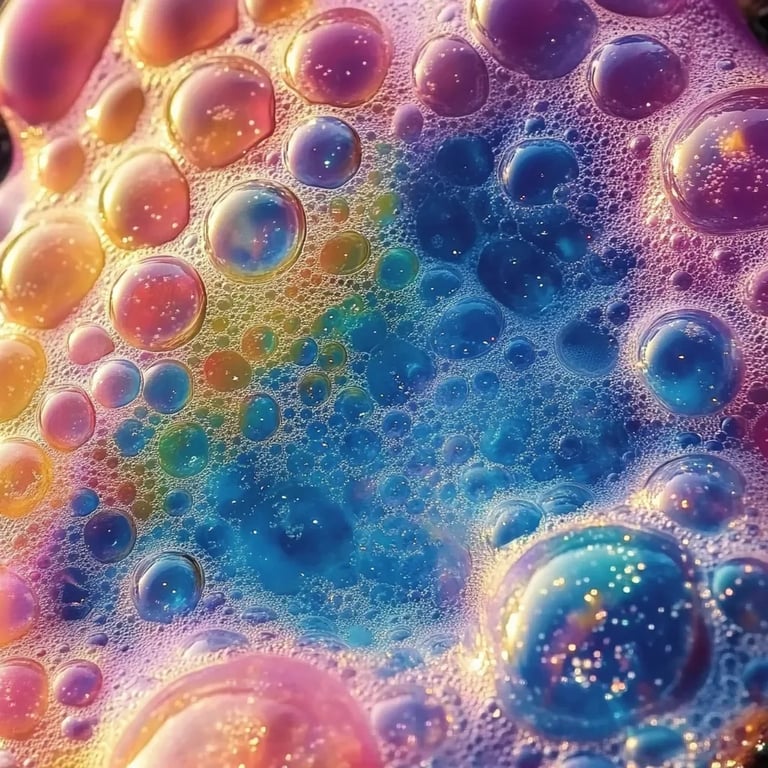
Ah, bubble painting – the joyous craft that combines the delight of blowing bubbles with the creativity of art! If you’re like me, you probably remember the colorful wonder of bubble painting from your own childhood or maybe you’ve seen the gorgeous artwork it can produce on Pinterest or social media. This delightful art form has surged in popularity not just among children, but also adults looking for a playful escape or a unique way to create art. Whether it's for a party, a rainy day activity, or just a family bonding experience, bubble painting is a fantastic way to introduce color and creativity into our lives.
Why Bubble Painting?
The beauty of bubble painting lies not only in its vibrant results but also in its simplicity. Utilizing materials you likely already have at home, bubble painting allows for creativity without borders. It's a medium that works well with children’s artistic exploration while being a therapeutic outlet for adults. Plus, who doesn’t feel like a kid again while blowing bubbles?
What You’ll Need
Before we dive in, let me share with you the materials you’ll need. The good news? They’re all easily accessible!
Materials:
- Liquid Watercolor Paint or Food Coloring: These will provide the beautiful colors. Liquid watercolors work best since they blend easily and are vibrant.
- Dish Soap: This is essential for making your bubbles. Any dish soap will do—just avoid the ultra-concentrated ones.
- Water: We’ll use it to dilute the paint and soap mixture.
- Straws: These are what you'll use to blow the bubbles!
- Paper: Thick paper, like cardstock, or watercolor paper works best for absorbing the paint and reducing bleed-through.
- Baking Tray: To catch any overflow and contain the mess.
- Old Newspaper or a Plastic Cover: For easy clean-up.
Step-By-Step Tutorial
Now, let’s jump into this bubbly adventure! Follow along, and I promise you’ll have tons of fun and produce stunning art pieces.
Step 1: Gather Your Supplies
First things first, gather all your materials in one space. Having everything handy will make the process smooth and enjoyable. Set out your paper, paint, dish soap, straws, and a baking tray.
Step 2: Create Your Bubble Mixture
In a bowl, mix together the following:
- 1/2 cup liquid watercolor paint or food coloring
- 1/2 cup dish soap
- 1 cup water
This mixture is crucial. Each component plays an essential role: the water allows for proper bubbling, while the dish soap helps to create those beautiful bubbles that will burst color onto your paper. Be sure to stir gently to avoid creating too many bubbles in the mixing bowl itself.
*Tip*: If you find the mixture is too thick, add a little more water. If it's too thin, increase the amount of soap or paint slightly.
Step 3: Set Up Your Workstation
Spread out your old newspapers or plastic cover on the table to protect the surface. Set the baking tray in the center and place a piece of paper on top of the tray. You want everything to be contained, as things can get a bit messy!
*Safety Warning*: Be sure to supervise little ones during this activity. Ingestion of soap and paint can be harmful, so keep an eye on their exploration.
Step 4: Blow Some Bubbles!
Dip the straw into your bubble mixture but don’t suck it in! Instead, gently blow into the straw to create bubbles—make sure the bubbles are overflowing over the edge of the container. This part is where the real magic happens.
*Common Mistake*: Sometimes, the bubbles won't reach the paper. If this happens, check if your straw is fully submerged in the bubble mixture, and try blowing a little harder.
Step 5: Burst the Bubbles onto Paper
Once you have a good amount of bubbles, place your paper over the top and let it come into contact with the bubbles. As the bubbles burst, they will leave vibrant circles of color on the paper. Feel free to move the paper around to catch more bubbles!
*Personal Anecdote*: I remember my first time bubble painting with my niece. She was giggling so much I was worried she’d accidentally blow into the straw too hard and spray paint everywhere. Thankfully, we both ended up with fun splashes of color instead!
Step 6: Let Your Artwork Dry
Carefully lift your paper straight up from the baking tray, giving a little wiggle to dislodge any remaining bubbles. Lay the paper flat on a drying rack or a clean, flat surface to dry completely.
Alternative Methods & Creative Variations
Once you’re comfortable with the basics, there are plenty of creative variations you can explore!
- Use Different Papers: Try canvas or fabric for a unique texture.
- Add Glitter: A sprinkle of glitter to your bubble mixture adds some sparkle!
- Layering: Once the first layer dries, you can go back and add more bubbles in different colors for complex designs.
- Use Cut-Out Stencils: Place stencils underneath the paper or cut out shapes to create more intricate designs.
Final Thoughts
Bubble painting is an enchanting experience that combines creativity with a bit of science. It engages multiple senses and allows for free-form expression without the confines of traditional painting. If something goes awry, don’t fret—crafting is all about experimenting, and every “mistake” can lead to beautiful outcomes.
So, grab your materials, gather your loved ones, and let the bubble painting begin! Don't forget to share your colorful creations and experiences; I can't wait to see the art you create. Happy painting!