How to Make Bubble Painting: A Colorful Crafting Adventure
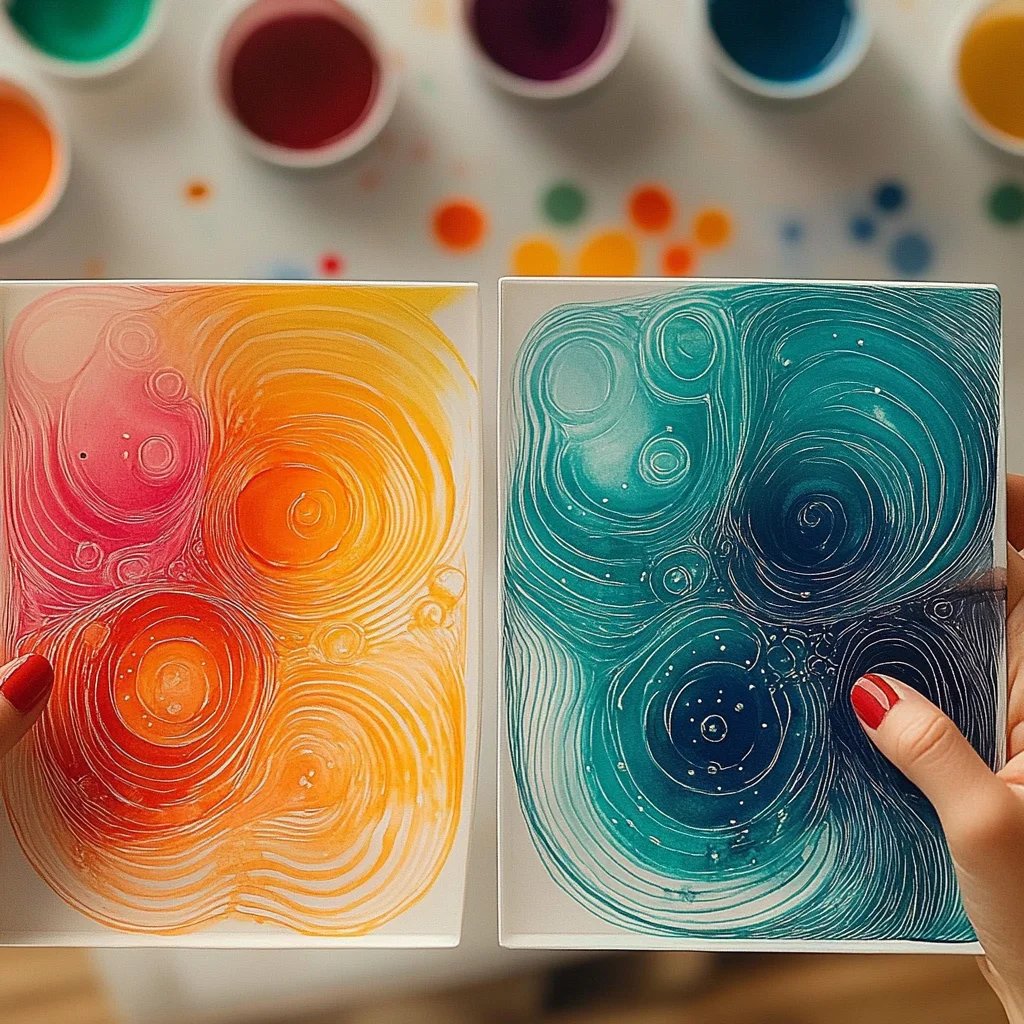
Welcome, fellow crafters! Today, I’m excited to share with you an incredibly fun and vibrant activity that will unleash your creativity and bring a smile to your face—Bubble Painting! This whimsical and interactive art project is perfect for children and adults alike. It’s an ideal way to create stunning artworks while exploring the fascinating world of bubbles. Whether you're a seasoned artist or a beginner looking for a simple yet rewarding activity, bubble painting is both accessible and incredibly satisfying.
Why is Bubble Painting So Popular?
Bubble painting has gained popularity in recent years for several reasons. First, there’s the sheer joy of blowing bubbles—everyone feels a bit like a child again! Secondly, the results can be uniquely beautiful, combining colors and textures that surprise and delight. It’s particularly popular in classrooms, birthday parties, summer camps, and family gatherings. It’s an ideal activity to foster creativity and encourage children to explore color mixing and artistic expression. Plus, it’s not only a fun craft; it’s also an engaging science experiment that illustrates how bubbles work.
What You'll Need
Before we dive into the fun part, let’s gather our materials. The best part of bubble painting is that you likely have most of these items at home, or they’re readily available at local stores.
Basic Supplies:
- Liquid Watercolor or Food Coloring: Liquid watercolors produce vibrant results, but food coloring is a great alternative.
- Dish Soap: This helps create the bubbles.
- Water: Simple tap water is perfect for mixing.
- Paper: Heavyweight paper or watercolor paper works best.
- Straws: Standard drinking straws can be used to blow the bubbles.
- Containers: Small cups or bowls for mixing the bubble solution.
- Protective Gear: Aprons or old t-shirts to protect clothing (and perhaps gloves if you're concerned about staining).
Optional Supplies:
- Baking Sheet or Tray: To contain the mess during the blowing process.
- Plastic Wrap: To cover your workspace and minimize cleaning.
- Sponge or Brush: For creating textured effects.
- Stencils or Cookie Cutters: To add interesting shapes to your artwork.
Safety Warning
While bubble painting is generally safe, please supervise young children during this activity, especially when using straws. They should not be used as toys or for any other purpose outside of this project to avoid choking hazards.
Step-by-Step Tutorial
Ready to dive into this bubbly world? Let’s go step by step.
Step 1: Create the Bubble Solution
In a small bowl or container, mix 1 cup of water with 1 tablespoon of dish soap. The soap is crucial for creating lots of bubbles, so don’t skimp! Add 2 tablespoons of liquid watercolor or a few drops of food coloring. Mix gently until combined; you don’t want to generate too many bubbles here, just a gently colored solution.
Tip: Start with lighter colors first, as they’ll mix nicely without overpowering.
Step 2: Prepare the Paper
Lay your heavyweight paper or watercolor paper flat on a clean, dry surface. If you want to keep things tidy, you can place it on a baking sheet or cover your workspace with plastic wrap. I often suggest doing this in an outdoor space, as it makes cleanup much easier!
Step 3: Bubble Time!
Using a straw, dip one end into your bubble solution—the other end stays outside the container. Blow gently into the straw. You’ll start to see bubbles forming! You may need to readjust your bubble solution if it’s not bubbling well; ensure the soap ratio is sufficient.
What Could Go Wrong?
If the bubbles don’t form, either your dish soap is too weak or you need more soap in your mix. Alternatively, if the bubbles pop before you can use them, try blowing with more controlled force and timing your blowing to the rise of the bubbles.
Step 4: Paint with Bubbles
As the bubbles erupt, move the straw away and allow the bubbles to burst onto the paper. You can repeat blowing bubbles over the same area for more intense color or switch to new colors for an engaging experience. Aim for layering and merging different colors!
Personal Anecdote:
The first time I tried bubble painting with my niece, we made a lovely abstract piece filled with swirls of blues and greens. It quickly turned into a playful competition to see who could make the biggest bubbles!
Step 5: Let It Dry
Once you’re happy with your masterpiece, set it aside to dry completely. This can take a couple of hours depending on the thickness of the paper and moisture levels.
Step 6: Display Your Art
After it dries, frame your artwork, or use it as part of a greeting card or gift wrap. The possibilities are endless!
Creative Variations
- Use Different Tools: Try using a bubble wand or an electric bubble machine for varying sizes and bursts! This can lead to different effects on the paper.
- Ink Blots: After your painting is done, drop a few drops of rubbing alcohol to create interesting ink blot effects.
- Color Patterns: Instead of just randomly applying colors, try to create patterns or images that you want to reveal.
- Bubble Wrap Printing: After you blow bubbles, you can place a piece of bubble wrap onto the wet paint. When you lift it off, it can leave mesmerizing impressions!
Conclusion
Bubble painting is not just an art project; it’s a joyful experience that encourages exploration and creativity. Each bubbly masterpiece is a unique expression of color and form—a reflection of your artistic journey. Whether you enjoy it solo or involve friends and family, I guarantee it will brighten your day and leave you with a stunning piece to admire.
I hope you enjoy embarking on this bubble painting adventure as much as I do! Don’t hesitate to share your creations and experiences. Remember, crafting is about the joy of making—so let go of perfection and immerse yourself in fun and color. Happy crafting!