How to Make Baking Soda and Vinegar Fireworks: An Exciting DIY Project for All Ages
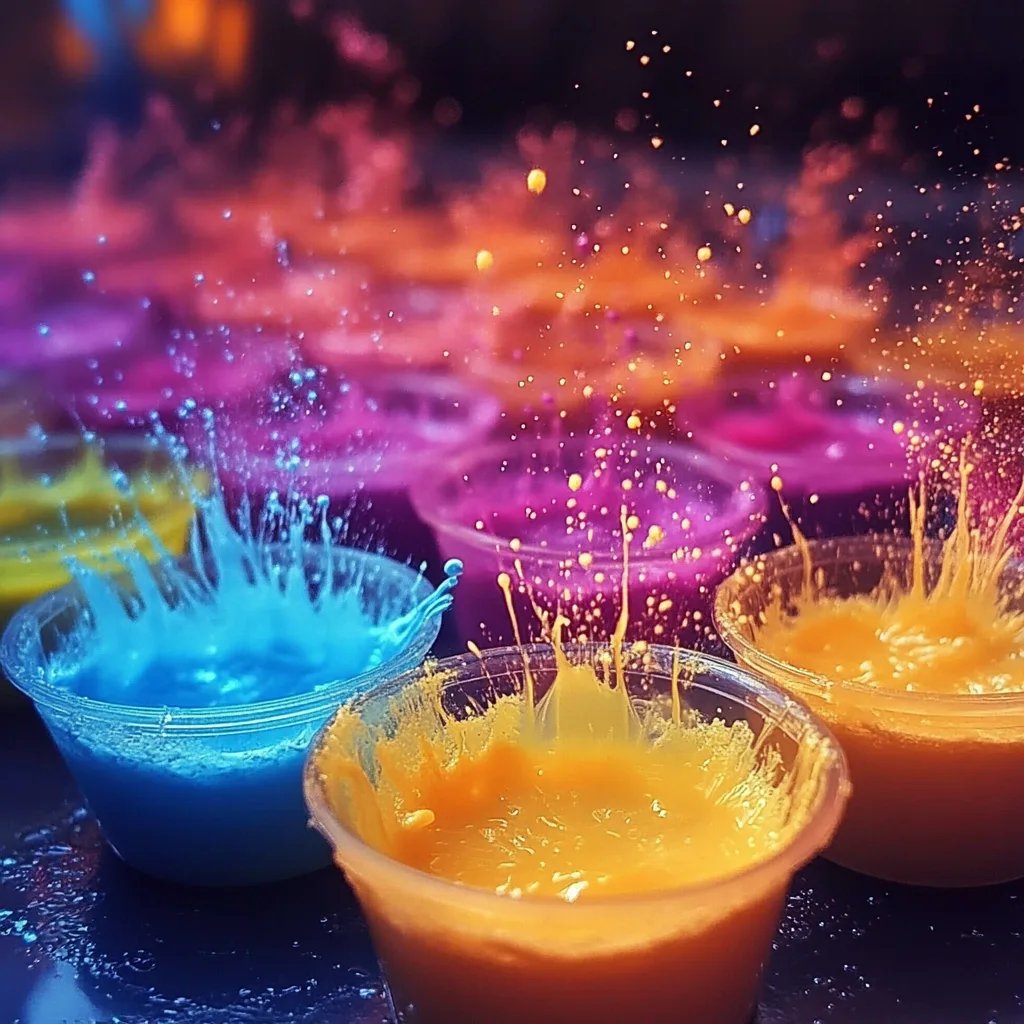
Hello fellow crafters and curious minds! Today, I'm thrilled to share one of my all-time favorite DIY science experiments—Baking Soda and Vinegar Fireworks! This mesmerizing reaction is not only a fantastic visual treat; it's also an engaging way to explore the fundamentals of chemistry at home. Whether you're looking to entertain the kids on a rainy afternoon, teach them about reactions in a playful way, or simply indulge in a little creativity, this project checks all the boxes.
What Are Baking Soda and Vinegar Fireworks?
Baking soda and vinegar fireworks create a colorful eruption that mimics a mini firework display. The reaction between baking soda (a base) and vinegar (an acid) produces carbon dioxide gas, which causes bubbling, fizzing, and the delightful eruption of colorful foam—just like fireworks popping in the night sky! This project is popular among educators and parents alike because it combines learning with fun, making it an ideal choice for birthday parties, science fairs, or home science activities.
Materials Needed
Before we dive into the step-by-step tutorial, let’s gather the materials you’ll need. Don’t worry, they’re all quite accessible!
- Baking Soda – About 1-2 tablespoons per “firework.”
- White Vinegar – About ½ cup per “firework.”
- Food Coloring – Optional, but highly recommended for a vibrant effect.
- Small Cups or Containers – To hold your baking soda and vinegar.
- Tray or Baking Sheet – To catch any spills.
- Spoon – For scooping and mixing.
- Safety Goggles – Always a good idea when doing experiments, especially if kids are involved.
- Optional: Liquid dish soap or corn syrup (for thicker bubbles).
Step-by-Step Tutorial
Step 1: Prepare Your Firework Station
First things first, let’s make sure you have a clean workspace. Lay down your tray or baking sheet to catch any spills, and be sure to gather all your materials. Safety goggles might not be needed for this simple experiment, but it’s a good habit to wear them, especially for kids.
Step 2: Prepare the Baking Soda Base
In your small cup or container, add 1-2 tablespoons of baking soda. The amount you use can depend on how big you want your explosion to be—start small for your first run and see how it goes!
Why This Matters:
Using the right amount of baking soda is crucial. If you use too much, the reaction will be huge but messy, potentially creating a spill. But don’t worry—cleaning up is part of the fun!
Step 3: Add Food Coloring (Optional)
Next, add a few drops of food coloring to the baking soda. You can choose multiple colors if you're feeling adventurous! This step adds to the visual effect and makes the result much more striking.
Step 4: Prepare the Vinegar
In a separate cup, measure out ½ cup of white vinegar. You can also add a few drops of dish soap or corn syrup to the vinegar if you want to create thicker bubbles that last longer.
Why This Matters:
This step transforms your fireworks from a quick pop to a captivating display. The added soap or syrup helps stabilize the bubbles, allowing for a longer-lasting effect.
Step 5: The Big Moment – Combine!
Now for the magic! Carefully pour the vinegar into the cup containing the baking soda mixture. Stand back a little, and observe the eruption!
What Could Go Wrong:
If nothing happens or the reaction is underwhelming, you may have used vinegar that’s lost its potency. Always use fresh vinegar for the best reaction!
Step 6: Let the Show Go On!
Once the fizzing has settled, you can repeat the process with different colors and amounts to create a mini fireworks show! Adjust ingredient quantities for bigger or smaller reactions as desired.
Step 7: Clean Up
After the fun, clean up is a breeze. Simply rinse your containers with warm water, and wipe down any spills with a damp cloth. Baking soda and vinegar are non-toxic, making them safe for all surfaces.
Safety Tips
- Protective Gear: Always wear safety goggles, especially with children involved.
- Adult Supervision: If kids are participating, ensure an adult is supervising the experiment.
- Work in a Safe Area: Choose a spacious area to conduct this experiment to avoid any mess affecting other belongings.
Creative Variations
- Color Wheel: Create layers of different colors by using multiple cups, each with a different food color. Pour them all together for a rainbow effect!
- Glow in the Dark: Mix in some glow-in-the-dark paint instead of food coloring for a unique night-time display.
- Themed Experiments: For holidays, try incorporating seasonal colors. Red and green for Christmas, or pastels for Easter—let your creativity run wild!
- Emerging “Fireworks”: Build a small funnel out of paper to channel the vinegar into the baking soda, creating an eruption that shoots upwards!
Personal Anecdotes
I remember the first time I shared this experiment with my niece and nephew during a family gathering. I was nervous that they might be bored, but as soon as that baking soda and vinegar mix erupted, their eyes lit up with wonder! We ended up spending the afternoon experimenting with different colors and measurements, much to everyone’s amusement. The joy was infectious, and it became a cherished memory.
Final Thoughts
Making Baking Soda and Vinegar Fireworks is a wonderful way to ignite your curiosity and share joyful moments with family and friends. Not only do you get to explore the science of chemical reactions, but you also create art in vibrant colors—what could be better?
So, gather your materials, put on those safety goggles, and let the DIY fun begin! Let me know your creative variations or any mishaps you encounter along the way—I’d love to hear about your experiences! Happy crafting!