How to Make a Space Sensory Bin: A Comprehensive Guide for Aspiring Crafters
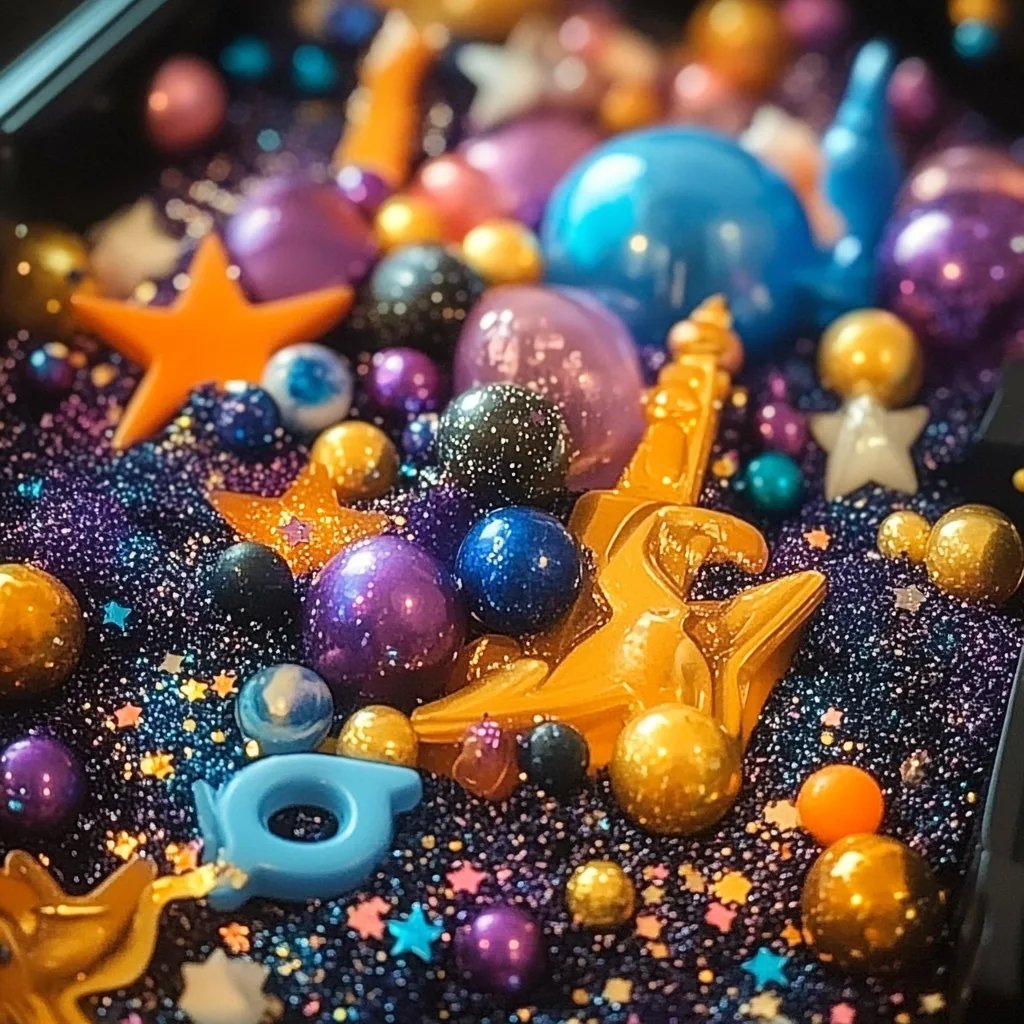
As an experienced crafter and a devoted advocate for play-based learning, I’m thrilled to share with you one of my favorite projects: creating a Space Sensory Bin. This engaging tool is not just a means of fun; it stimulates children's senses, fosters creativity, and supports developmental skills like fine motor coordination and imaginative play. With a little preparation and the right materials, you can create an unforgettable cosmic experience that will spark wonder and curiosity in your little ones.
Why Space Sensory Bins Are So Popular
In today's world of digital distractions, sensory bins stand out as a tactile, engaging activity that allows children to explore their environment. They’re perfect for various occasions—whether you’re gearing up for a space-themed birthday party, looking for a whimsical way to teach kids about astronomy, or simply providing a calm and structured activity for a rainy afternoon. The beauty of sensory bins lies in their versatility; parents and educators alike can adapt them to any theme or learning goal.
Materials Needed for Your Space Sensory Bin
Before we get into the step-by-step instructions, let’s gather our materials. You don’t need anything too elaborate—often, you might have some of these items already at home!
- Base Material:
- Blue and black colored rice (or any sensory sand, flour, or kinetic sand)
- Alternative: If you’re in a pinch, use dried beans or pasta.
- Space Themed Collaborators:
- Mini figurines (like astronauts, aliens, planets)
- Toy spaceships
- Decorative Elements:
- Star-shaped confetti or sequins
- Glow-in-the-dark stars
- Craft foam planets
- Tools for Exploration:
- Scoop, small scoops, or kitchen utensils
- Magnifying glass
- Small containers or cups (for sorting and collection)
- Bin for Containment:
- Plastic storage bin or a shallow tray
Step-by-Step Tutorial for Creating Your Space Sensory Bin
Step 1: Prepare Your Base Material
Why It Matters: The base material sets the stage for all the fun to come. It adds texture, color, and a foundation for sensory exploration.
- Instructions: If you're making colored rice or pasta, here's a quick method. For colored rice:
- In a large ziplock bag, add about 2 cups of uncooked rice.
- Pour in a couple of tablespoons of vinegar and a few drops of food coloring.
- Seal the bag and shake it until the rice is evenly colored.
- Spread the rice out on a baking sheet and let it dry for a couple of hours.
Tip: If it’s too wet, it won’t have the perfect texture. You can dry it out on low in the oven (about 200°F) for 15 minutes or until dry.
Step 2: Create Your Bin
Why It Matters: A designated bin helps keep everything contained and reduces mess during play—important for indoor activities!
- Instructions:
- Pour your dried colored rice into the bin or tray, filling it about 1/3 full.
- Smooth it out gently to create a level surface.
Alternative Method: You can also use a large baking tray if you want children to have a larger play area.
Step 3: Add Character to Your Bin
Why It Matters: Adding themed figures and decorations immerses children in the space theme, enhancing imagination and storytelling.
- Instructions:
- Place your mini figurines, spaceships, and other items throughout the base layer as if they are scattered across the cosmos.
- Toss in some star-shaped confetti or sequins to add sparkle.
Tip: Ensure the items are age-appropriate. For younger children, avoid small pieces that can be a choking hazard.
Step 4: Gather Your Tools for Discovery
Why It Matters: Tools encourage exploration and can enhance fine motor skills through scooping, pouring, and sorting.
- Instructions:
- Add scoops, magnifying glasses, and small containers to the bin, so children can use them in their space explorations.
Step 5: Introduce the Sensory Bin for Play
Why It Matters: Engaging children with the sensory bin encourages imaginative play and offers various learning opportunities—everything from vocabulary expansion to science exploration.
- Instructions:
- Sit with your child and introduce the concept. Encourage them to feel the rice, describe the colors, and talk about what they see.
- Use open-ended questions, such as “What do you think this alien is doing?” or “How many stars can you find?”
Personal Anecdote: I remember the first time I created a sensory bin for my children. Their eyes lit up with curiosity, and they dove right in! It led to hours of imaginative play, stories about space travel, and even an unexpected lesson in counting stars!
Tips for Success & Adjustments
Considerations for Safety
- Always supervise younger children during sensory play.
- Check and ensure that all items used are safe, non-toxic, and appropriate for their age.
Managing Mess
- Place a shower curtain underneath the bin to catch any stray bits.
- Reinforce the idea of cleaning up afterward as part of the activity.
What Could Go Wrong
- The base is too dry: Ensure your rice or alternative material is dry but not too dry that it becomes dust. Adjust by adding a little water with a spray bottle.
- Children lose interest: Keep it dynamic! Change out the figures or introduce new elements to renew interest.
Alternative Methods
- Nature-themed bin: Swap stars for leaves, and use brown or green rice to create a more Earth-bound sensory experience.
- Doughy additions: Use play dough to create planets and other celestial bodies for a tactile art component.
Creative Variations
- Glow-in-the-dark Edition: Add glow-in-the-dark stars and paint to make a nighttime sensory experience, perfect for midnight play.
- Themed Storytime: After play, gather your kids for a story about space exploring how the imagination can take us anywhere.
- Color Exploration: Change the color of the base material to represent different planets. Encourage discussions about the properties and characteristics of those planets.
Conclusion
Creating a Space Sensory Bin is not only straightforward but also incredibly rewarding. The process of making this imaginative tool filled my home with creativity, laughter, and learning opportunities. I hope this guide inspires you to embark on your crafting adventure, helping to spark your child's curiosity about the universe.
Remember, there are no absolute rules when it comes to crafting. Adapt this project to fit your family’s unique interests and materials. Most importantly, enjoy the process, cherish the moments of exploration, and let your imaginations soar through the stars! Happy crafting! 🌌