How to Make a DIY Lava Lamp: A Step-by-Step Guide from an Experienced Crafter
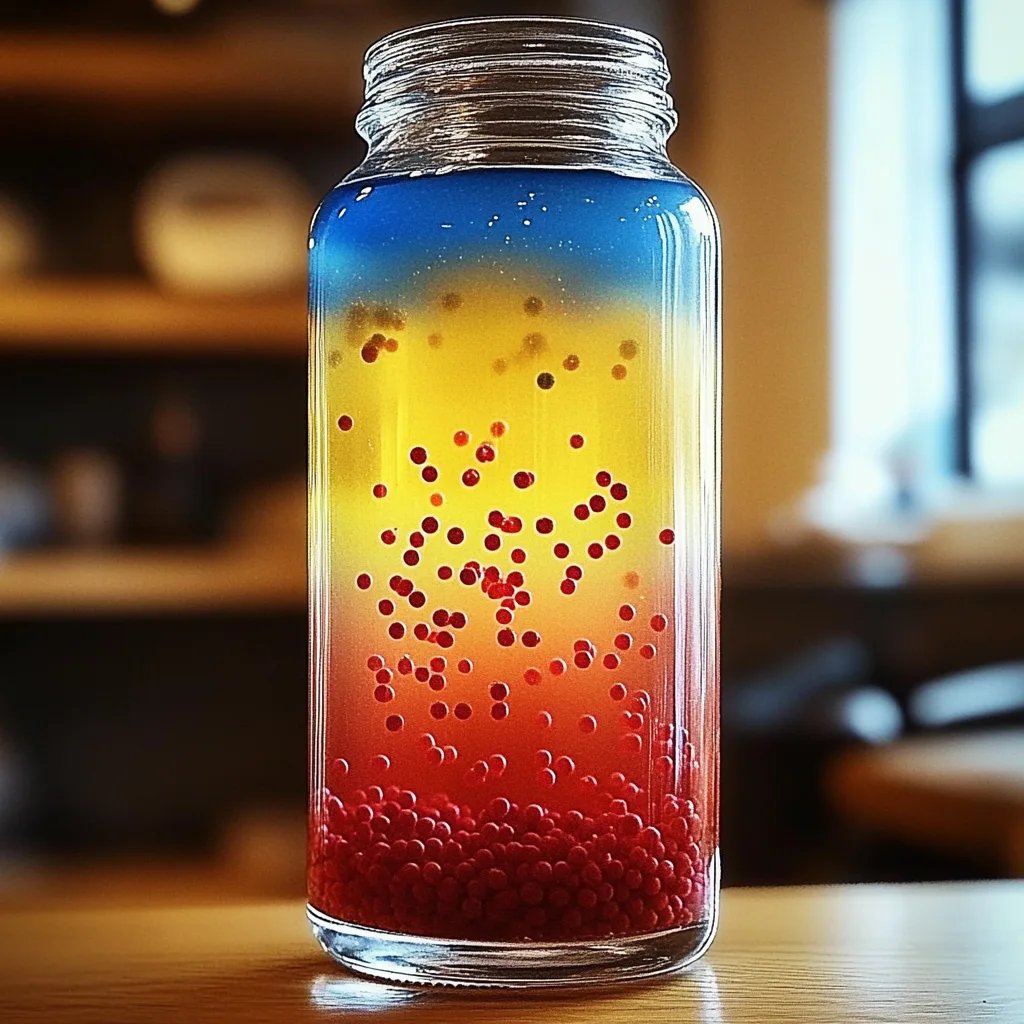
Ah, the mesmerizing sway of a lava lamp—who doesn’t adore the psychedelic movements of wax globs gently sloshing up and down a seemingly magical container? As an experienced crafter, I am thrilled to share with you my tried-and-true method for creating a DIY lava lamp. This nostalgic item has captured hearts for decades, and I guarantee it will become a cherished staple in your home—even if you’re not hosting a retro-themed party!
Why DIY Lava Lamps Are So Popular
Lava lamps provide ambient lighting and serve as quirky home decor. They invoke nostalgia for those who remember them from childhood and entice new fans with their captivating visual effects. I love using mine during relaxation time, while I read a book or simply chill out and let my mind wander. You can also use them to create a soothing atmosphere for meditation or as a conversation starter during gatherings. Regardless of the occasion, a DIY lava lamp is a fantastic way to express yourself!
Materials You Will Need
Before we dive in, let’s gather our supplies. Luckily, you won't need anything too exotic or expensive. Here’s your checklist:
Basic Supplies:
- Clear Plastic Bottle or Glass Jar – Make sure it’s tall and narrow, with a tight-sealing lid.
- Water – Regular tap water will do just fine.
- Vegetable Oil – This will be the main ingredient for your lava-like effect.
- Food Coloring – Choose any color that speaks to you!
- Alka-Seltzer Tablets or Baking Soda – This will create the “lava” effect.
- Optional: Glitter or Small Sequins – For some extra sparkle!
- Funnel – To help with pouring, especially when dealing with small openings.
- Light Source – You can use an LED light, a lamp, or even a candle (just be cautious!).
Safety Requirements:
- Work in a well-ventilated area.
- Avoid using glass jars if you're working with kids without supervision.
- Be careful with sharp objects when cutting or pouring.
Step-by-Step Tutorial for Making Your Lava Lamp
Step 1: Prepare Your Bottle
Start by washing and drying your clear plastic bottle or glass jar thoroughly. This ensures that it's clean and free of any residues that could affect the clarity of your water or the quality of your lamp.
*Tip*: If you’re using an old bottle, make sure to remove all labels so you can admire the beauty of your lava lamp without distractions!
Step 2: Fill the Bottle
Using your funnel, fill the bottle about one-quarter full with water. This water will serve as the base for the waxy movement that we’re aiming for.
Step 3: Add Oil
Now, slowly pour vegetable oil into the bottle until you almost reach the top, leaving a small gap. You'll notice that the oil floats on top of the water, creating two distinct layers. This is crucial; if you pour too quickly, the oil can emulsify with the water, and you won’t achieve that delightful “lava” effect!
Step 4: Add Food Coloring
Here’s where you can unleash your creativity! Add a few drops of food coloring into the water layer. Watch how it creates beautiful streaks and swirls, contrasting beautifully against the oil. This is the fun part!
*What could go wrong*: If you added too much food coloring, the bottom of your lamp may appear overly dark and won't give you the vibrant colors you want when the lava action starts.
Step 5: Create the Lava Effect
Here’s the magic! Break an Alka-Seltzer tablet into quarters, and drop one piece into the bottle. Watch in awe as bubbles rise, dragging the colored water up with them. This is the “lava” you came for!
*Tip*: If you don’t have Alka-Seltzer, you can use baking soda. Simply mix it with vinegar separately and slowly add that mixture into your lamp. This will still create a fun bubbling effect.
*What could go wrong*: If you don’t see much movement, check to make sure the tablet is still fresh and hasn’t expired.
Step 6: Seal and Light Up
After you’re satisfied with the effect, seal your lamp with the lid. If you want it to double as a lamp, place it on an attractive surface with your light source underneath.
*Tip*: For a cozy effect, aim for a color-changing LED light that can hypnotize you for hours!
Troubleshooting & Personal Anecdotes
When I first attempted this craft, I used too small of a jar and flooded it with oil. The mess was considerable, but it taught me the importance of measuring my layers properly. Don’t rush the process—each layer needs its time to shine (literally)!
Sometimes, I’d pour a little too much food coloring and had to add more water to balance it out. If that happens, no worries; just pour a little out and add more water slowly.
Creative Variations
Once you get the hang of the basic DIY lava lamp, let your creativity flow! Here are some ideas:
- Color Themes: Coordinate colors for holidays or seasons, like orange and yellow for Halloween or pastels for Spring.
- Add Fragrance: Use scented oils instead of vegetable oil for an aromatic twist.
- Layering: Experiment with different layers of colored water to create a more layered lava effect.
- Decoration: Add small seashells or pebbles at the bottom for additional visual interest.
Final Thoughts
Creating a DIY lava lamp is not just about the end product; it’s about the journey, the joy of crafting, and the vibrant centerpiece for your space. Every lamp you create carries your unique touch, making it a personalized treasure.
As you embark on this creative endeavor, remember: there is no right or wrong way to make a lava lamp. Trust your instincts, troubleshoot if needed, and allow yourself to have fun with the process. I can’t wait to hear about your experiences! Happy crafting!