How to Make a Chia Seed Sensory Bin: A Step-by-Step Guide
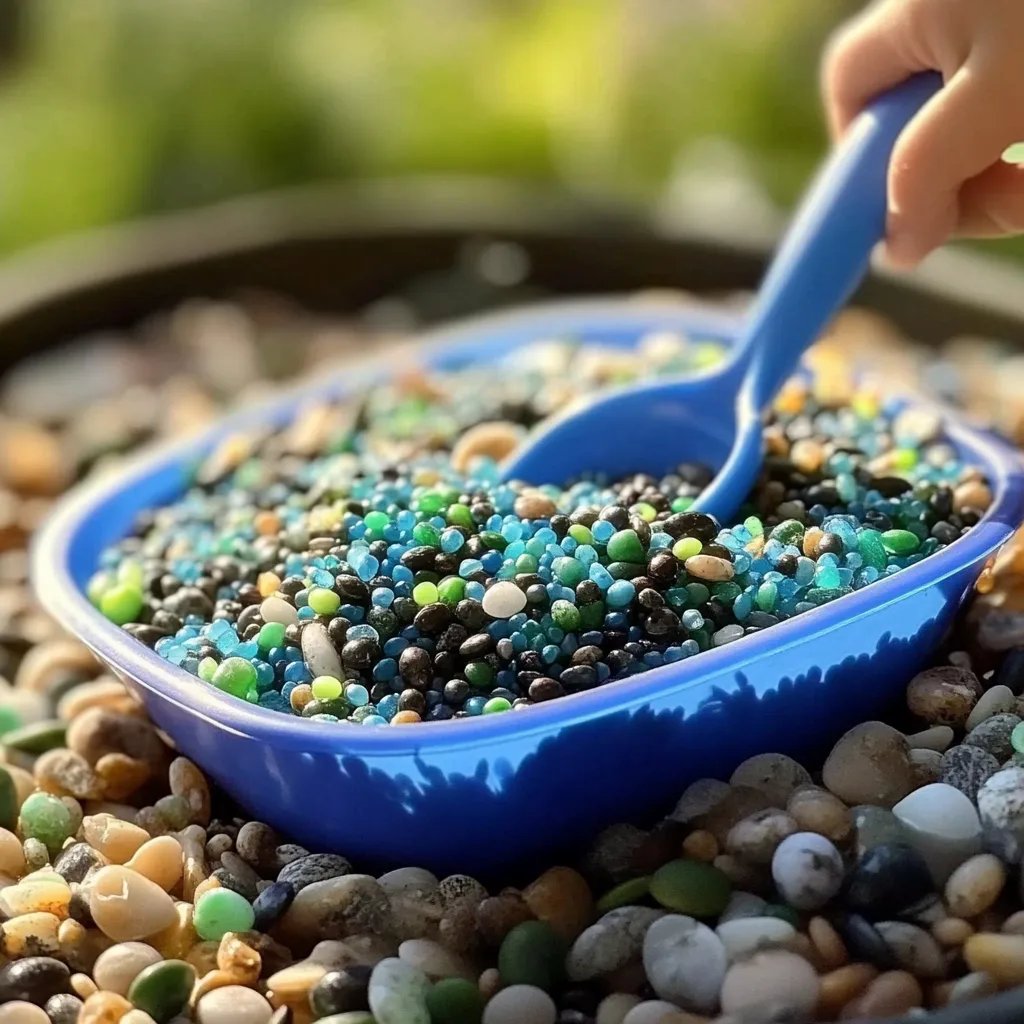
Hello, fellow crafters and sensory adventurers! Today, I'm excited to share one of my favorite projects that is not only a creative outlet but also a thoughtful sensory experience: the Chia Seed Sensory Bin. This project is perfect for little ones eager to explore textures, colors, and sensory play, while also introducing them to the soothing qualities of nature. But don't worry—this isn't just for kids! This sensory bin can be a delightful addition for anyone looking to add a little mindfulness and creative relaxation to their day.
What is a Chia Seed Sensory Bin?
A Chia Seed Sensory Bin is a tactile play environment filled with chia seeds, along with various items that encourage exploration and imaginative play. Chia seeds are fantastic for sensory bins because of their unique texture—smooth and slightly squishy, they provide a truly engaging experience for little fingers. This sensory bin can be used for learning about textures, colors, and counting, or simply enjoyed for the sheer joy of creative play. Plus, it’s a low-cost, easy project you can set up in no time!
Why It’s Popular
Sensory bins are highly popular among parents, educators, and therapists alike. They stimulate fine motor skills, promote imaginative play, and can be tailored to suit various learning objectives and themes. Chia seeds, specifically, are gaining popularity due to their affordability, availability, and versatility in both sensory play and nutrition (yes, chia seeds are edible!). The beauty of a sensory bin is that it can be assembled to reflect various themes—think seasonal changes, holidays, or even special events.
Getting Started: Materials You’ll Need
Before you dive in, gather the following materials:
- Chia Seeds: About 1-2 cups, dry.
- Containers: A large, shallow plastic bin works well; clear containers can add visual appeal.
- Water: For hydrating the chia seeds.
- Spoon or Whisk: To mix the chia seeds and water.
- Scoop and Measuring Cups: For fun transfers!
- Sensory Items: Add small toys, nature items (like leaves or pebbles), and craft supplies (think colored paper, glitter, etc.).
- Food Coloring (optional): To dye the chia seeds for added fun.
- Digital Scale (optional): To weigh the chia seeds precisely, although this is not necessary for this project.
Step-by-Step Tutorial
Step 1: Preparing the Chia Seeds
What to Do: Start by hydrating your chia seeds. For every 1 cup of chia seeds, add 3 cups of water. Mix thoroughly with a spoon or whisk to prevent clumping.
Why It Matters: Chia seeds absorb water and expand, turning into a gel-like substance. This transformation is key to creating that enjoyable squishy feeling in your sensory bin!
Potential Issues: If you see clumps forming, they can become difficult to mix. Just keep stirring until everything is consistently wet and lovely.
Step 2: Coloring (Optional)
What to Do: If you want to add some flair to your sensory bin, consider dyeing the chia seeds with food coloring. Simply add a few drops of food coloring to the chia seed mix and stir until you achieve the desired color.
Why It Matters: Color can enhance the sensory experience and make it visually appealing, allowing your little ones to engage their creativity even further.
Tips: Remember that adding too much dye may make the mix stickier, so start with a few drops and add more as needed.
Step 3: Setting Up the Sensory Bin
What to Do: Once the chia mixture is ready, pour it into your plastic bin to create a smooth layer. Aim for about 2-3 inches deep for maximum sensory experience.
Why It Matters: A deeper layer provides more opportunity for digging and exploration, creating an immersive and tactile experience.
Potential Issues: If there is too little chia mix, it may not be as fun to play with, while too much can get messy. Maintain a comfortable balance.
Step 4: Adding Sensory Items
What to Do: Here comes the fun part! Take your chosen sensory items and arrange them within the chia seed mixture. These could be small toys, measuring cups, jingle bells, or even seasonal decorations.
Why It Matters: The addition of various items provides the opportunity for tactile exploration, imaginative play, and even informal learning (like counting or color recognition).
Creative Variations: For a nature theme, use twigs, rocks, and plastic insects; for a holiday, add themed decorations or colors. Let your creativity shine!
Safety Considerations
While chia seeds are safe for most ages, be mindful that they can be a choking hazard for very young children. Supervise playtime, ensuring that the seeds remain in the sensory bin and don't end up in little mouths. If your child has an allergy to nuts or seeds, be sure to consult with your pediatrician before introducing chia seeds.
Troubleshooting Tips
- Too Wet or Too Sticky?: If the bin feels overly wet, add more dry chia seeds gradually until you reach a comfortable consistency. If it’s too dry, add a small splash of water and mix again.
- Seeds Sticking Together: Stirring continuously while hydrating can help avoid clumps. If you’re having persistent issues, try sprinkling a little cornstarch to minimize stickiness.
- Toys or Items Difficulty: If items tend to sink, consider using lightweight options. Floating items, like rubber ducks or plastic sea creatures, can add fun without sinking.
Conclusion: Enjoying Your Sensory Bin
Now that you’ve set up your Chia Seed Sensory Bin, it’s time to have fun! Encourage your little ones to dive in, scoop, pour, and explore the textures. Take this time to engage with them, asking questions about what they feel, see, and even create stories based on the items in the bin.
As you observe their interactions, you’ll realize how much children learn through play—each sensory experience aiding their cognitive and physical development. Plus, don’t underestimate the therapeutic benefits it offers to adults, too!
I related this gentle sensory play to the first time I made a sensory bin for my youngest child; both of us were mesmerized by how the chia seeds moved under our fingers. It was a joyful bonding moment and sparked hours of imaginative play.
So gather your materials, set the scene, and enjoy a wonderful sensory experience with your very own Chia Seed Sensory Bin—where creativity meets sensory play in the most delightful way! Happy crafting!