How to Make a Baking Soda Volcano: A Step-by-Step Guide to Crafting the Ultimate Eruption
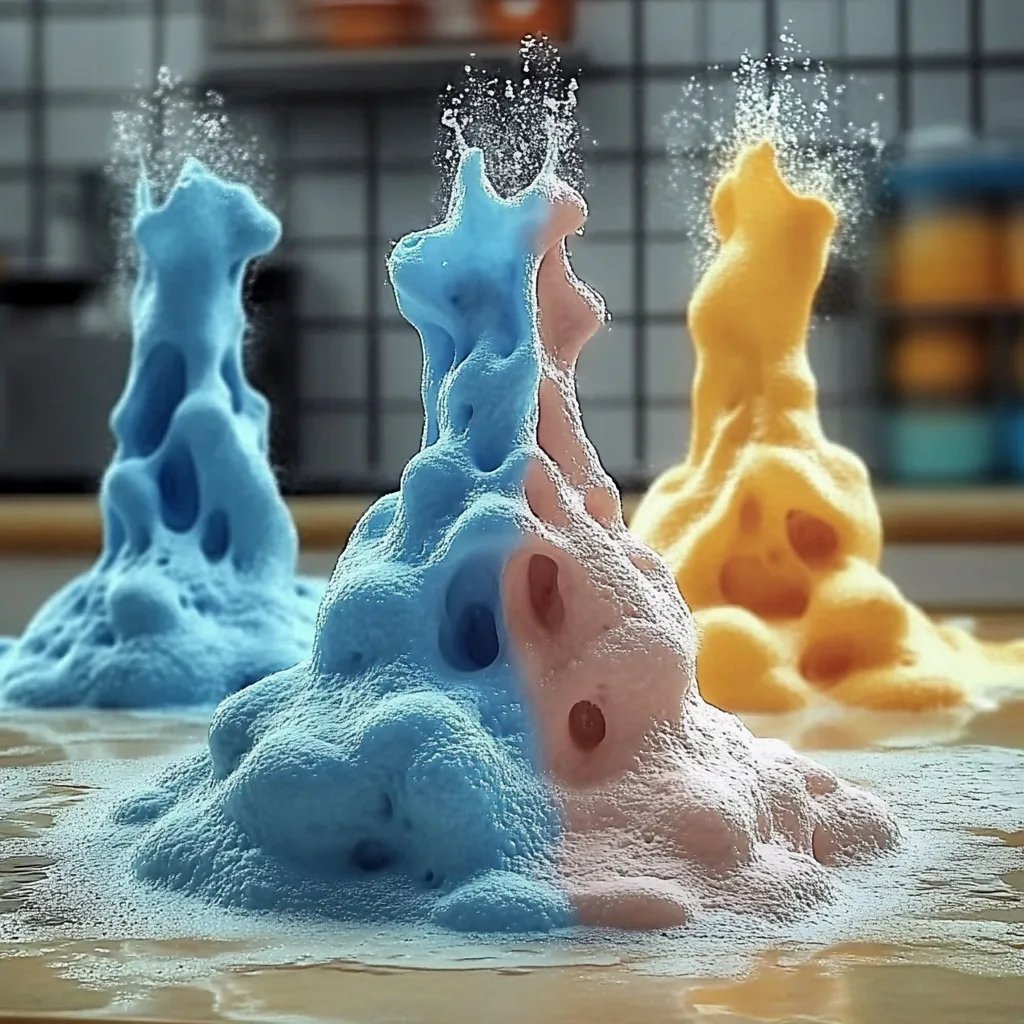
Hello fellow crafters! Today, I’m excited to share a beloved classic with you—how to make a baking soda volcano. This timeless project not only serves as a fun and educational science experiment but also as a wonderful craft activity that sparks creativity in both kids and adults. Whether you're planning for a school project, a science fair, or simply looking for an engaging weekend activity, this is a guaranteed hit that teaches basic chemical reactions in an entertaining way.
Baking soda volcanoes are popular for a good reason: they combine simple ingredients with impressive results, captivating audiences with their dramatic, fizzy eruptions. I remember the first time I made a baking soda volcano with my younger siblings—we were absolutely mesmerized! I felt like a true scientist witnessing nature's raw power in our own backyard.
What You'll Need
Before we dive into the fun, let’s gather the materials you’ll need for this delightful experiment:
Basic Materials:
- Baking Soda (1/2 cup)
- Vinegar (1 cup)
- Dish Soap (1 tablespoon)
- Food Coloring (optional, but highly recommended for that lava effect!)
- Plastic bottle (or any small container for the volcano's "magma chamber")
- Modeling Clay or Play-Doh (to shape the volcano)
- Tray or Baking Sheet (to contain the mess)
- Water (1 cup, for mixing with ingredients if needed)
Optional Decorations:
- Small rocks or gravel (for adding realism)
- Paint, glitter, or craft supplies (for decorating the volcano)
*Note: You can get creative! Use recycled materials like plastic bottles or cardboard to give your volcano a unique flair.*
Step-by-Step Tutorial
Step 1: Build the Volcano Structure
Why this matters: A sturdy, visually appealing volcano enhances the overall experience and makes the eruption more exciting.
- Shape the Base: Start by taking your plastic bottle and using modeling clay or Play-Doh to shape a volcano around it. Make sure to leave the top of the bottle open for the eruption. I like to mold the clay up to about 6–8 inches high, tapering it to create a realistic volcanic cone. You can press in some rocks or gravel for added detail.
- Check for Stability: Ensure that your volcano is sturdy enough to hold itself up and won't tip over during the eruption. If it is wobbling, reinforce it with more clay around the base.
Step 2: Prepare the Eruption Mix
Avoiding pitfalls: Making sure to get the right proportions is key for a successful eruption. Too little baking soda or vinegar can lead to a lack of fizz, while too much can cause overflow.
- Combine Baking Soda and Dish Soap: In a separate bowl, mix your 1/2 cup of baking soda with 1 tablespoon of dish soap. The dish soap helps create more foam during the eruption. This is where the “lava” effect gets amplified!
- Add Food Coloring: If you want your lava to ooze with vibrant color, add several drops of food coloring to the baking soda mixture. The more you add, the more colorful the eruption will be!
- Fill the Volcano: Pour your colored baking soda mixture into the open top of the volcano container, filling it about halfway.
Step 3: Get Ready for Eruption!
Safety considerations: Ensure that you have some paper towels, a cloth, or an apron handy, as eruptions can be messy!
- Prepare the Vinegar: In a measuring cup, pour the 1 cup of vinegar. If you like, you can add a few more drops of food coloring to this as well for a bolder eruption color.
- Set Up the Eruption Area: Place your volcano on a tray or baking sheet. When you pour in the vinegar, it’s bound to bubble over and flow like real lava!
Step 4: Erupt the Volcano
A practical tip: Make sure to be ready when you pour in the vinegar. The reaction happens quickly!
- Pour in the Vinegar: Slowly pour the vinegar into the baking soda-filled container. Stand back and watch the magic happen as the fizz begins!
- Observe the Reaction: Enjoy the spectacle! The combination of baking soda and vinegar creates carbon dioxide gas, which bubbles up, pushing out the mixture like a mini volcanic eruption.
Troubleshooting Common Issues
- Not Enough Eruption: If the volcano doesn't erupt dramatically, you might need to adjust the baking soda and vinegar ratios. Adding more water to the vinegar can help.
- Overcrowding: If the eruption is too messy, reduce the amount of vinegar used.
Creative Variations
Once you get the hang of this volcano, why not mix things up?
- Use Different Viscosity Materials: Experiment by adding corn syrup for a thicker lava.
- Scale It Up: Try constructing a larger volcano using cardboard and a bigger container for a bigger impact.
- Themed Volcanos: Create themed volcanoes (like dinosaur or alien themes) with additional decorations.
Personal Insights and Anecdotes
Whenever I engage in making a baking soda volcano, I'm reminded of childhood scientists looking to unravel the world’s mysteries. Each eruption sparks an excitement that bubbles over into creativity and exploration. I remember one Thanksgiving when my family wanted an unusual centerpiece, so we used our volcano! It erupted right before dinner, and everyone erupted into laughter. That’s what crafting is all about—memory-making!
Safety Warnings
- Vinegar Warning: While it’s relatively safe, be careful not to pour vinegar near sensitive areas (like eyes or mouth).
- Adult Supervision: For younger users, always have an adult present, especially when dealing with children under 12.
Conclusion
Creating a baking soda volcano is not just an experiment; it’s an opportunity for learning and bonding with those around you. I genuinely hope you enjoy crafting your volcano as much as I have over the years. Grab your ingredients, gather your loved ones, and enjoy this splendid, sensory eruption.
The joy of watching a simple scientific reaction unfold is a gift that keeps on giving, reminding us that sometimes, the best things are built from the simplest of ingredients. So go ahead, erupt with creativity, and let your inner scientist flourish! Happy crafting!