Homemade Play Dough: An Amazing Ultimate Recipe
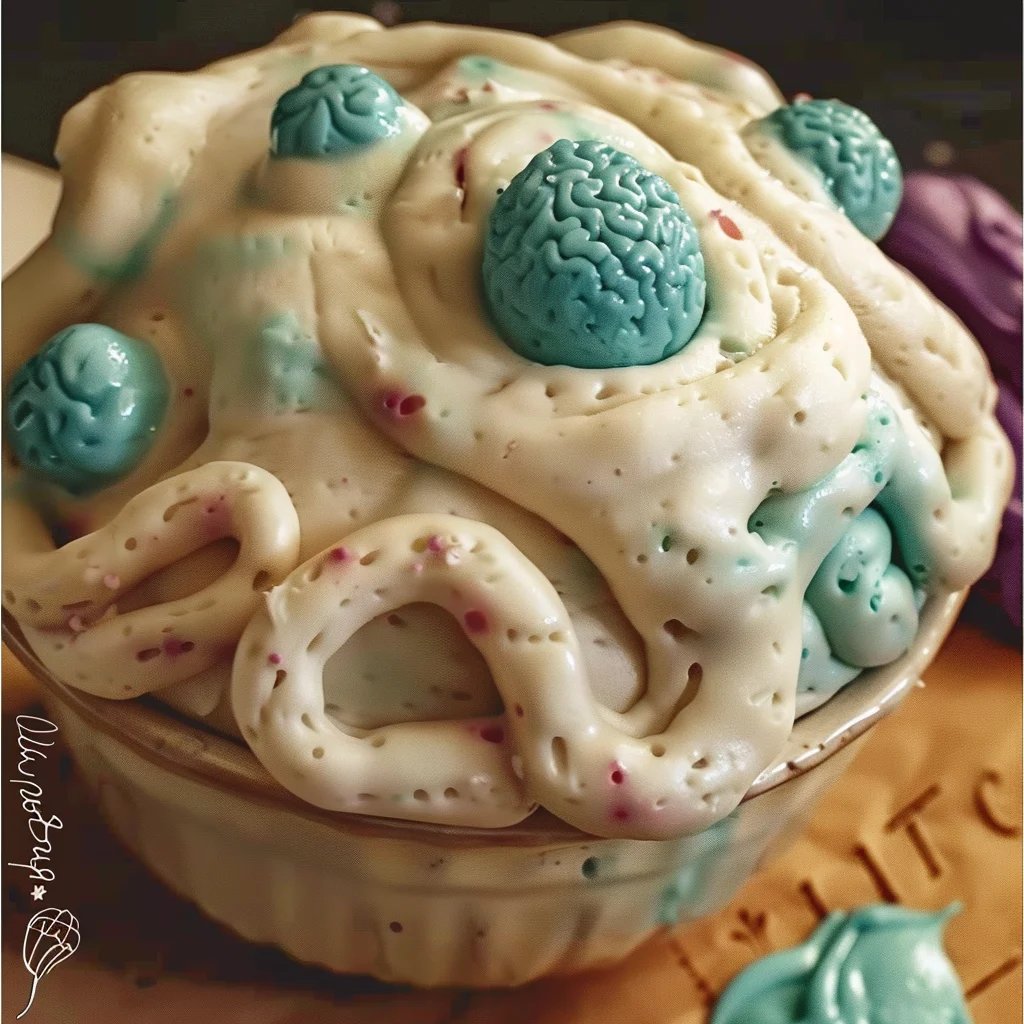
Homemade Play Dough is a wonderful activity that combines creativity and fun for children and adults alike. This all-time favorite crafting material is not only easy to make but also provides endless hours of imaginative play. The vibrancy of colors and the tactile experience of molding and shaping dough provides a rich sensory adventure for your little ones. Plus, making your play dough at home allows you to control the ingredients, ensuring a safe and non-toxic item for your kids to enjoy.
If you're a parent, caregiver, or teacher looking for an enjoyable activity, homemade play dough is an incredible solution. The softness and malleability of the dough allow for an endless array of shapes and structures. The ability to customize colors or add scents makes it even more exciting. In this guide, you will find the essential reasons to love this recipe, details regarding preparation and cooking times, the ingredients required, step-by-step instructions, and tips on serving your creation.
Let’s dive deep into the world of homemade play dough, where creativity knows no bounds, and learning occurs through play!
Why You’ll Love This Recipe
Homemade Play Dough brings a multitude of benefits that make it a favorite among children and parents. Here are a few reasons why this recipe will capture your heart:
- Cost-Effective: Making your own play dough is often cheaper than buying commercial versions. Most ingredients are readily available in your kitchen.
- Non-Toxic and Safe: By using common kitchen ingredients, you ensure a safe sensory play experience for your children.
- Customization: You can modify colors and scents according to your child's preferences. Adding glitter or essential oils can personalize the experience.
- Durability: Homemade play dough can last for weeks when stored correctly, making it a long-term activity.
- Easy to Follow: The steps are simple and require minimal cooking knowledge, making it accessible for everyone.
- Fun Family Activity: Involving your children in the dough-making process can be an educational bonding experience.
With these incredible benefits in mind, there’s no reason not to try making your homemade play dough!
Preparation and Cooking Time
Creating your homemade play dough is a straightforward process that takes approximately 15 minutes to prepare and about 5 to 10 minutes to cook. Here's a breakdown of the timing:
- Preparation Time: 15 minutes
- Cooking Time: 5-10 minutes
- Cooling Time: Let it rest for a few minutes before your child starts to mold and play.
These times may vary slightly depending on your culinary skills, but this framework provides a good estimate.
Ingredients
- 2 cups all-purpose flour
- 1 cup salt
- 2 tablespoons vegetable oil
- 2 cups water
- 2 teaspoons cream of tartar
- Food coloring (optional)
- Essential oils (optional, for fragrance)
Step-by-Step Instructions
Making homemade play dough is quick and easy. Follow these steps for a successful batch:
- Mix Dry Ingredients: In a large saucepan, combine the flour, salt, and cream of tartar. Stir them well to ensure an even mixture.
- Combine Wet Ingredients: In another bowl, mix the water and vegetable oil. If you want colored dough, add a few drops of food coloring to your wet ingredients.
- Combine Mixtures: Gradually pour the wet mixture into the dry mixture in the saucepan. Stir continuously until it becomes a consistent batter.
- Cook the Dough: Place the saucepan over medium heat. Stir the mixture until it thickens and begins to form a ball, which usually takes about 5-10 minutes.
- Cool Down: Once the dough has formed a ball and has a smooth texture, remove it from the heat. Transfer it to a clean surface and let it cool for a few minutes.
- Knead the Dough: Once it’s cool enough to handle, knead the dough with your hands for a few minutes until it is smooth and pliable.
- Customize: If desired, you can add essential oils or additional food coloring at this stage to enhance the play dough.
- Store: Place the dough in an airtight container or a zip-lock bag when completely cool. It can be stored for weeks, providing endless fun.
These steps will guide you through crafting your amazing homemade play dough.
How to Serve
To make the most out of your homemade play dough, here are some serving tips:
- Play Surface: Set up a designated area, like a table or a play mat, for children to explore their creations easily.
- Tools: Provide various tools and accessories such as cookie cutters, rolling pins, and plastic utensils to enhance their creativity.
- Color Mixing: Encourage color blending by allowing children to mix different colored doughs to create new shades.
- Scents and Textures: Introduce different textures like beads, sand, or glitter into the dough for a multi-sensory experience.
- Create Themes: Suggest themes for play like making animals, food, or characters from stories to spark their imagination.
With these tips, you can elevate the experience of homemade play dough, making it a beloved activity for your little creators. Happy crafting!
Additional Tips
- Experiment with Colors: Mix different food coloring to create unique shades. Pastel tones can be used for a softer look, while vibrant hues can spark excitement.
- Add Herbs and Spices: For a delightful aromatic experience, consider adding cinnamon, peppermint, or lavender essential oils to the dough, which can enhance the sensory play.
- Involve the Kids: Let your children take charge of the coloring process! It adds an extra layer of fun and ownership to the creation of their play dough.
- Incorporate Texture: Adding materials like sand, beads, or rice can create unique textures that can stimulate sensory exploration.
- Set Limits: Establish a time frame for play to avoid stressing over the mess and ensure an enjoyable experience.
Recipe Variation
Explore these engaging variations to enhance your homemade play dough experience:
- Glitter Play Dough: Add a tablespoon of fine glitter during the mixing stage for a dazzling sparkle that will captivate your child's imagination.
- Scented Dough: Use flavored extracts like vanilla or almond to add a pleasant smell to your play dough. A hint of peppermint can feel refreshing too!
- Natural Dyes: Substitute food coloring with natural alternatives such as beet juice for red, turmeric for yellow, or spinach for green. It’s a healthier option for color enthusiasts.
- Glow-in-the-Dark Dough: Incorporate a small amount of tonic water, which contains quinine, for an exciting glow-in-the-dark effect when exposed to UV light.
Freezing and Storage
- Storage: Keep your homemade play dough in an airtight container or a zip-lock bag. This prevents it from drying out and keeps it fresh. It can last for several weeks.
- Freezing: You can freeze the dough for up to three months. Just ensure it's sealed well to avoid freezer burn. When you're ready to use it again, let it sit at room temperature to soften before playing.
Special Equipment
While making homemade play dough doesn't require fancy equipment, having a few tools can make the process easier:
- Measuring Cups and Spoons: Precision in measuring ingredients leads to the perfect consistency.
- Saucepan: A medium-sized saucepan is essential for cooking the dough.
- Wooden Spoon: This helps effectively mix the ingredients together.
- Cooling Surface: A clean countertop or cutting board ensures a space to cool and knead the dough.
- Plastic Storage Containers: These are perfect for storing the finished product.
Frequently Asked Questions
How long can I store homemade play dough?
Homemade play dough may last up to 4-6 weeks when stored correctly in an airtight container.
What should I do if the dough is too sticky?
If your dough turns out sticky, try adding a small amount of flour gradually until the desired consistency is achieved.
Can I use gluten-free flour for this recipe?
Yes, you can substitute regular flour with gluten-free flour. The texture might differ slightly, but it will still be enjoyable.
Is it safe for young children?
Yes! Since all ingredients are common kitchen items, it’s safe for kids. However, supervise their play, especially with smaller materials like beads.
Can I reheat the dough if it gets hard?
Yes, if the dough becomes slightly hard, you can place it in the microwave for a few seconds to soften it. Just be careful not to overheat it.
Conclusion
Crafting homemade play dough is not just a delightful activity but also an enriching experience for children. The ability to create, explore, and manipulate the dough fosters creativity and strengthens motor skills. With the straightforward recipe, customization options, and serving tips outlined in this guide, you can easily provide endless hours of fun and learning. So gather your ingredients, involve your children in the process, and enjoy the amazing world of homemade play dough!