Frozen Ocean Rescue: An Incredible Ultimate Guide to Saving Our Seas
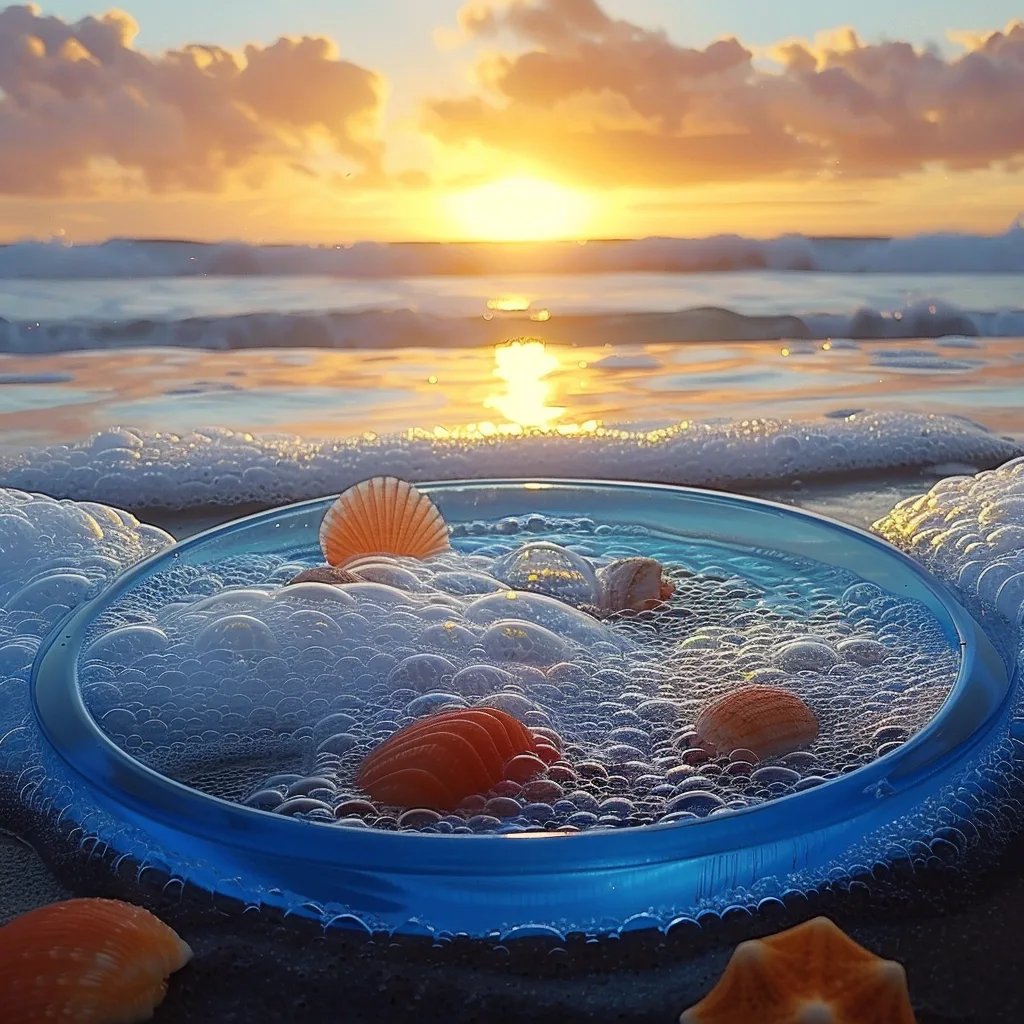
Frozen Ocean Rescue is not just a necessity; it’s an urgent call to action, highlighting the amazing effort needed to preserve our fragile marine ecosystems. The oceans, which cover more than 70% of our planet, are suffering from various issues, including climate change, pollution, and overfishing. The time has come for collective action, innovative solutions, and inspiring stories that must be told—because the future of our oceans depends on it.
In recent years, our seas have encountered unprecedented challenges, leading to alarming consequences like coral bleaching, plummeting fish stocks, and widespread habitat destruction. This crisis requires us not only to acknowledge the dire state of the world’s oceans but also to understand the essential role they play in global health and wellbeing. Enter the term “Frozen Ocean Rescue,” which encapsulates both the urgency of the situation and the incredible potential that lies in our hands.
Throughout this article, we will delve deeper into the various aspects of Frozen Ocean Rescue. You'll discover why we should care, how to take part in rescue efforts, and the actions individuals and communities can implement. By being stewards of the oceans, we contribute to a more sustainable future and preserve the biodiversity that thrives within these aquatic realms. Let’s dive into the ocean rescue story—one that must be told to inspire change and action.
Why You'll Love Learning About Frozen Ocean Rescue
Understanding Frozen Ocean Rescue is essential for every person who has ever enjoyed a day at the beach, participated in water sports, or relished a seafood meal. Here are some reasons to appreciate this important topic:
- Connection to Nature: Our oceans provide a vital connection to the natural world, encompassing stunning landscapes filled with diverse life forms.
- Importance of Biodiversity: Healthy oceans are crucial for supporting marine species and ecosystems. Learning about rescue efforts can foster appreciation for biodiversity.
- Empowerment Through Action: Understanding how to get involved in rescue initiatives empowers individuals to contribute actively to conservation.
- Impact on Climate: Oceans are the planet’s largest carbon sinks. Protecting them is vital for combating climate change.
- Cultural Significance: Many communities worldwide rely on oceans for their livelihoods. Understanding and supporting rescue efforts can help sustain their way of life.
These reasons underscore why taking the time to learn about Frozen Ocean Rescue is not just beneficial; it's a moral imperative. By understanding the consequences of inaction, we can rally support for transformative change.
Preparation and Action Time for Frozen Ocean Rescue
To implement effective Frozen Ocean Rescue initiatives, we must recognize how to prepare and take action efficiently. While many tasks may seem overwhelming, breaking them down will allow for achievable steps.
- Preparation Time: Learning about local marine ecosystems and conservation laws can take a few hours to days, depending on your dedication.
- Action Time: Participation in community clean-up days, educational programs, and informing others takes ongoing effort. Even small actions contribute over time.
Engaging in Frozen Ocean Rescue is more than a single act; it's a lifestyle choice that reflects respect and admiration for our oceans.
Ingredients of a Successful Ocean Rescue Initiative
To effectively contribute to Frozen Ocean Rescue, here’s a list of essential ingredients:
- Community Engagement: Collaborate with local organizations and individuals interested in protecting marine life.
- Education and Awareness: Inform yourself and others about the importance of ocean conservation and the hazards that threaten marine life.
- Volunteering: Participate in beach clean-ups, wildlife surveys, and citizen science projects that track marine health.
- Sustainable Practices: Embrace and promote sustainable fishing, reducing plastic use, and responsible tourism practices.
- Policy Advocacy: Support local and national policies that prioritize the protection of marine resources and habitats.
- Funding and Donations: Contribute to non-profit organizations that specialize in ocean rescue efforts and scientific research.
Each ingredient plays a vital role in creating a recipe for successful ocean conservation. The more we prioritize each aspect, the better our chances for a healthy ocean future.
Step-by-Step Instructions for Getting Involved
If you’re ready to clarify your role in Frozen Ocean Rescue, follow these straightforward steps:
- Educate Yourself: Read books, watch documentaries, or attend talks focused on marine conservation.
- Identify Local Issues: Research specific problems affecting your local marine environment, such as pollution or habitat destruction.
- Join a Local Conservation Group: Connect with an organization that actively promotes ocean health in your community.
- Participate in Cleanup Events: Engage in events aimed at removing debris from beaches or waterways. Every piece counts!
- Spread the Word: Use social media and conversations to encourage others to take part in ocean conservation efforts.
- Reduce Plastic Usage: Switch to reusable bags, bottles, and containers to lessen the volume of plastic entering our oceans.
- Choose Sustainable Seafood: Educate yourself about sustainable fishing practices and select seafood that is responsibly sourced.
- Advocate for Change: Write to local representatives advocating for environmental protection policies that benefit marine ecosystems.
By following these steps, you become an integral part of the movement toward a healthier marine environment.
How to Serve the Message of Frozen Ocean Rescue
Sharing the passion for Frozen Ocean Rescue effectively can ignite action and inspire others to get involved. Here are some tips for serving this message:
- Host Community Events: Plan beach days or informational gatherings to foster community spirit around ocean conservation.
- Create Educational Materials: Design brochures or online content that informs others about the ocean's significance and how to help.
- Engage with Schools: Target younger generations by collaborating with schools to introduce ocean awareness programs.
- Use Art and Creativity: Implement creative projects, such as murals or installations, that emphasize the beauty of marine life.
- Promote Social Media Campaigns: Utilize platforms like Instagram or Twitter to post educational content that reaches a wider audience.
Serving the message of Frozen Ocean Rescue can change perspectives and motivate collective actions, making a remarkable difference in our oceans.
In conclusion, Frozen Ocean Rescue is a significant and urgent movement that warrants our attention. By understanding the importance of our oceans, getting involved in local initiatives, and spreading the word, we empower ourselves and others to participate in this crucial journey. Together, we can transform our oceans from vulnerable to resilient, ensuring a sustainable future for generations to come.
Additional Tips
- Get Involved with Local Schools: Partnering with schools enhances the impact of educational outreach on younger generations. Engage students in ocean conservation projects.
- Leverage Technology: Use apps and digital platforms to track pollution levels in your area. This data can be invaluable for advocacy and raising awareness.
- Participate in Citizen Science: Join projects that allow volunteers to collect data about marine life, contributing directly to ongoing research efforts.
Recipe Variation
Explore exciting variations to enhance your Frozen Ocean Rescue experience:
- Themed Events: Create themed ocean conservation events, such as “Coral Reef Day,” that focus on specific conservation efforts.
- Different Cleanup Efforts: Collaborate on various cleanup initiatives, like riverbank cleanups, to engage different communities while protecting freshwater ecosystems.
- Interactive Workshops: Organize workshops that teach sustainable practices, from crafting with recycled ocean plastics to cooking seafood sustainably.
Freezing and Storage
- Storage: If you have printed materials or resources during your rescue efforts, ensure they are kept securely in a dry place, protected from moisture to maintain quality.
- Freezing: Volunteering in rescue initiatives may lead to materials or tools being available at certain times. Keep inventory organized to maximize available resources for your efforts.
Special Equipment
A few essential tools to facilitate your Frozen Ocean Rescue actions include:
- Trash Bags: Vital for cleanup efforts on beaches or local waterways.
- Recycling Bin: For sorting recyclable waste collected during events.
- Educational Materials: Brochures and guides to help inform community members about ocean conservation.
- First Aid Kit: Essential for any outdoor activity, ensuring safety while you focus on ocean rescue efforts.
Frequently Asked Questions
Why should I care about ocean conservation?
Caring for the oceans affects global climate, biodiversity, and human health. Healthy oceans equate to a healthier planet.
How can I involve my family in ocean rescue?
Involve your family by participating in local cleanups, attending educational events, and making sustainable choices at home.
What if I live in a landlocked state?
Even in landlocked areas, you can help by reducing plastic usage and educating others about how local rivers connect to the ocean.
Are there age restrictions for volunteering?
Most local organizations welcome volunteers of all ages, but it’s best to check specific requirements with the group you're interested in.
Can I organize my own cleanup event?
Absolutely! Gather friends, plan your event, and promote it through social media to engage your community.
Conclusion
Frozen Ocean Rescue is a vital initiative that demands our attention and action. By engaging and educating ourselves and others, we can create significant change for our oceans. Remember, every effort counts, no matter how small. By prioritizing marine conservation, we can work toward a sustainable future, overflowing with marine life and ecological health.