Floating Dry Erase Marker Science Experiment: A Step-By-Step Guide
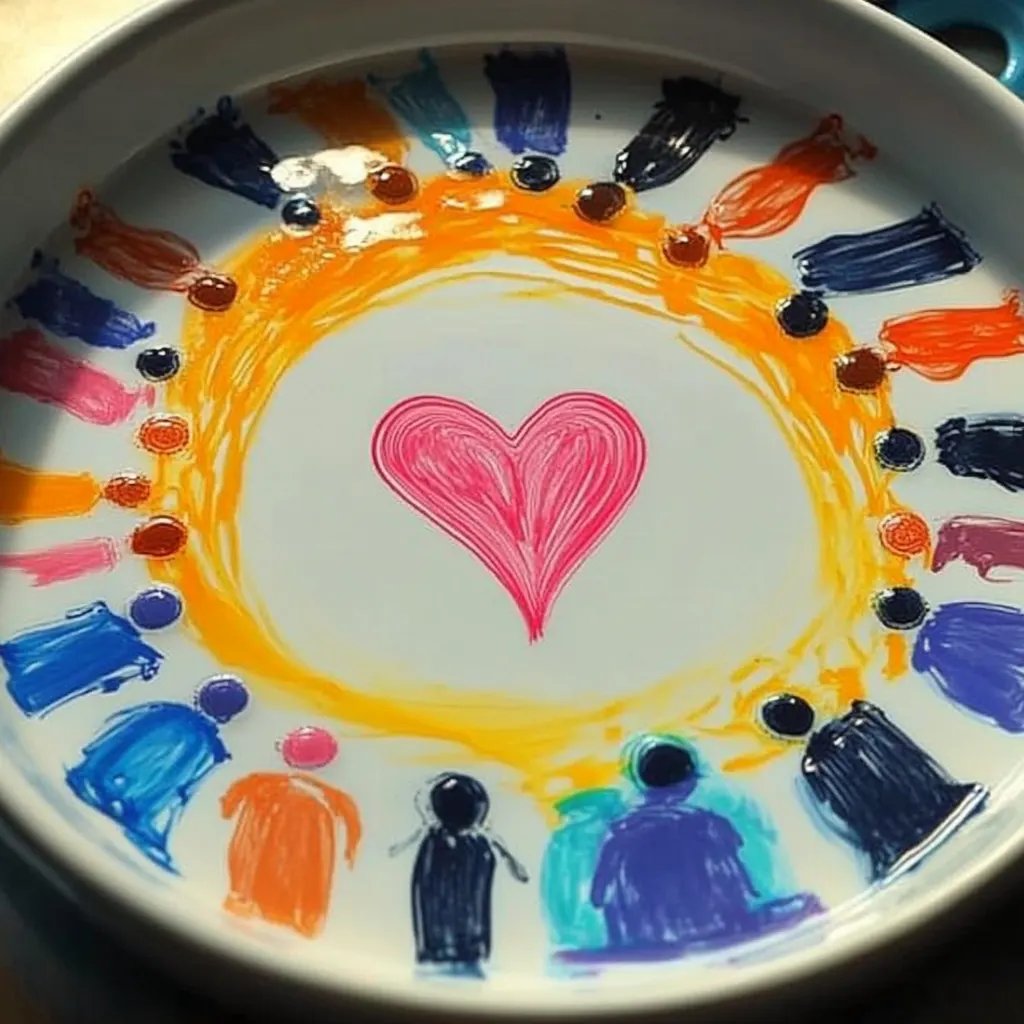
If you're searching for a fun and visually striking science experiment to captivate young minds—or even your own—let me introduce you to the Floating Dry Erase Marker Science Experiment. This fascinating project brings together art, science, and a dash of magic to create a colorful display that appears to defy gravity. This experiment isn't just mesmerizing; it's a fantastic way to explore concepts such as surface tension, buoyancy, and the interplay of colors.
I can assure you, this experiment quickly became a favorite among kids in my neighborhood and even piqued the interest of their parents. What’s more, it’s an affordable, accessible project that you can whip up with materials you probably already have at home.
Why Floating Dry Erase Markers?
Floating dry erase markers provide an engaging visual effect that can linger in your memory long after the experiment is over. As you watch the colors swirl and merge, children learn valuable lessons about chemistry in a fun, hands-on way that books simply can't provide. Whether you’re a teacher looking for classroom activity ideas, a parent wanting to encourage curiosity in your kids, or a hobbyist aiming to impress your friends, this experiment is perfect for you.
You can use this experiment for science-themed parties, classroom demonstrations, or just for an afternoon of fun. No matter the context, I can guarantee it'll spark interest and excitement.
What You’ll Need
Before we dive into the step-by-step guide, let’s gather our materials. Here’s what you will need:
- A clear, shallow dish (like a pie plate or a large, flat bowl)
- Water (enough to fill the dish about 2 inches deep)
- Dry erase markers (preferably different colors)
- Dish soap (liquid)
- Toothpick or cotton swab (for applying the soap)
- Paper towels (for clean-up)
- Safety goggles (to keep things safe, especially for kids)
Step-by-Step Tutorial
Step 1: Prepare Your Workspace
First, ensure you have a clean, stable work surface. Lay down some old newspapers or paper towels to catch any drips or spills. I also recommend wearing safety goggles, especially if you have younger children involved. While dish soap is generally safe, it’s always best to err on the side of caution.
Step 2: Fill Your Dish with Water
Now, take your shallow dish and fill it with about two inches of water. It's important that the water is deep enough to allow the markers to float when we get to that part. The base of the dish should be completely covered, creating a vibrant canvas for our floating markers.
Step 3: Introduce the Dry Erase Markers
Grab your dry erase markers and start making dots or spirals on the surface of the water. My favorite technique is to use a rainbow of colors to create a more colorful effect. The aim is to create as many designs as you can, but avoid spreading the ink too thin—this can affect how well the colors float.
*Tip:* If you notice that the color isn’t spreading as you expected, try getting closer to the surface of the water to ensure the ink disperses appropriately.
Step 4: Add the Dish Soap
This is the magic moment! Use your toothpick or cotton swab to dip into the dish soap, then gently touch the surface of the water in a few strategic spots. Be careful not to disrupt the markers too much; you just want to introduce the soap into the mix without disturbing the arrangement.
The dish soap breaks the surface tension of the water, allowing the colors to swirl and move. It's truly mesmerizing to watch! You’ll see the colors start to spread, creating beautiful patterns. If the colors seem sluggish or aren't moving as much as you'd like, you can add a little more dish soap; however, don’t overdo it, as too much may cause the colors to wash out.
Step 5: Reflect and Discuss
Take a moment to watch the changes happening in the dish. This is a perfect opportunity to discuss why the colors are moving. The dish soap reduces the surface tension, allowing the heavier colored inks to move freely. Consider asking questions like, "Why do you think the colors mix, but some stay together?" or "What do you think will happen if we add more soap?"
Troubleshooting Common Issues
Every craft project comes with its share of hiccups. Here are a few potential issues you might encounter and how to resolve them:
- Markers not floating: If the colors are too thin or concentrated, they may sink instead of float. Try repositioning your markers and avoid creating too dense a concentration.
- Colors not spreading: If the colors don't seem to be moving, it could be due to not adding enough dish soap. Add a tiny bit more, and swirl gently.
- Too much movement: If things are getting out of control, try to stabilizing your dish by placing it on a flat surface and keeping disturbances to a minimum.
Safety Warnings
While this experiment uses safe, household materials, it’s always best to supervise young children, as they might be tempted to taste the soap or markers. Ensure that safety goggles are worn during the process, especially during the soap application. If you’re worried about clean-up, make sure to have paper towels handy to wipe away any drips from the dish or surrounding areas.
Creative Variations
Once you've mastered the classic floating dry erase marker effect, why not try these creative twists?
- Color Mixing: Use primary colors and explore color mixing. Watch the creation of secondary colors right before your eyes!
- Incorporate Glitter: For an added magical twist, sprinkle a bit of edible glitter on the surface before adding the soap. The result? Dazzling, sparkling effects as the colors swirl.
- Change the Container: Experiment with other dishes of different shapes and depths. This can create varied patterns and effects!
- Use Different Soaps: Try using different types of liquid soaps to see how they interact with the markers. Each soap has a different level of surfactant which could lead to unique results.
Final Thoughts
As you wrap up this experiment, take a moment to admire your colorful masterpiece. Not only have you created an eye-catching visual display, but you've also engaged in an impressive hands-on learning experience. Whether you’re using this experiment as a fun activity at home or as a teaching tool in the classroom, you have the potential to inspire curiosity and creativity.
I hope this guide has provided you with the confidence and knowledge to embark on your Floating Dry Erase Marker Science Experiment. There’s something incredibly rewarding about mixing artistry with science, and I can’t wait to see what beautiful designs you create! Remember, the key is to experiment, learn from mistakes, and—most importantly—have fun. Happy crafting!