Fizzy Science Experiment: An Engaging DIY Activity for All Ages
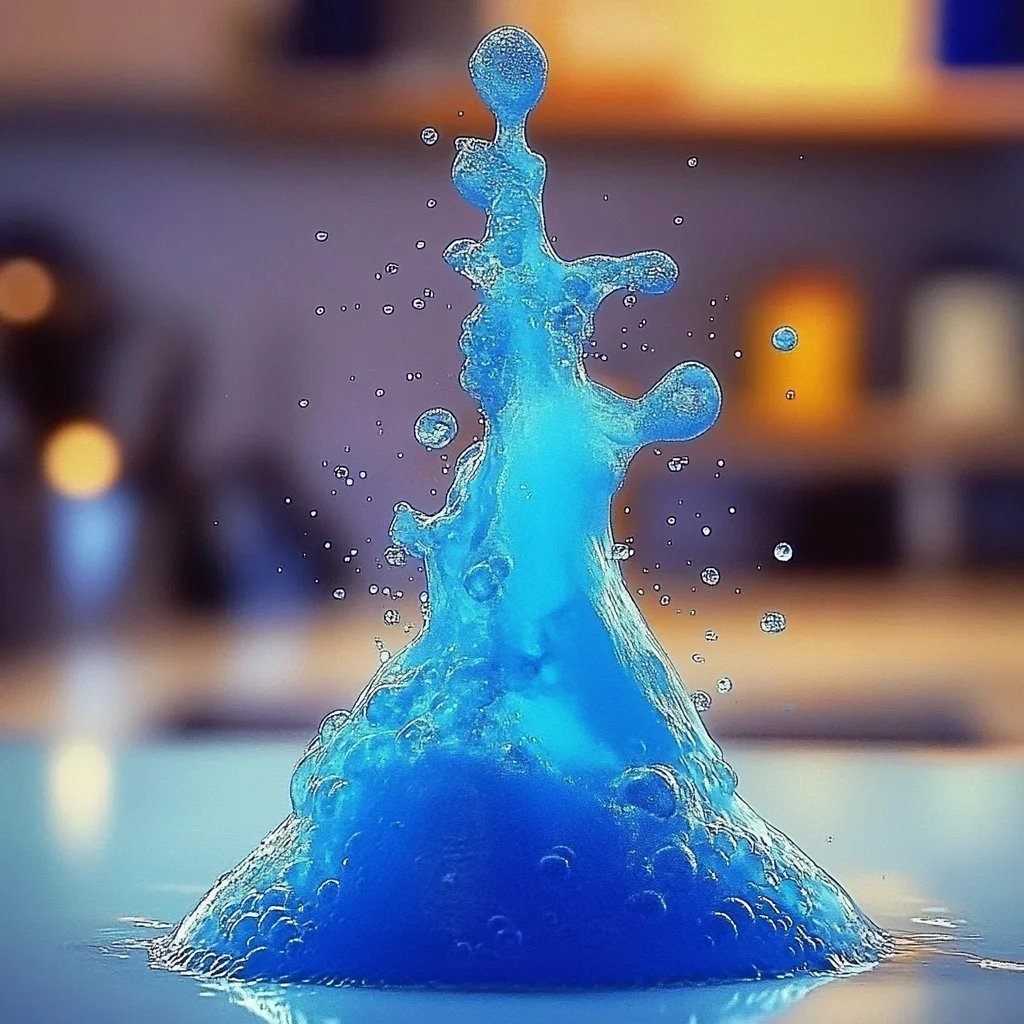
As an experienced crafter and science enthusiast, I can’t express enough how exhilarating it is to combine creativity with hands-on experimentation. One of my favorite projects—and one that’s sure to amaze kids and adults alike—is the Fizzy Science Experiment. Whether you're looking for a fun activity for a birthday party, a captivating science lesson at school, or a rainy-day project at home, this fizzy concoction is a delightful way to engage everyone in the wonders of chemistry.
What is the Fizzy Science Experiment?
The Fizzy Science Experiment is a simple and magical demonstration of a chemical reaction between baking soda and vinegar, resulting in an effervescent explosion of bubbles! This reaction is not only visually stunning but also serves as an excellent introduction to the basics of acids and bases. The end product often resembles a fizzy lava lamp or a bubbling volcano, making it a fantastic centerpiece for any demonstration.
What makes the Fizzy Science Experiment so popular is its accessibility. With ordinary household materials, anyone can plunge into the world of science without any complicated equipment. Plus, it offers endless possibilities for variations, making it versatile, fun, and educational for almost any age group.
—
When and How to Use This Experiment
This fizzy activity is perfect for:
- Science Fairs: Wow the judges with a stunning visual and an explanation of the chemical reactions involved.
- Children's Parties: Spicing up a birthday celebration with engaging science-themed fun.
- Classroom Learning: Teaching kids about reactions in a memorable way.
- Home Schooling: Incorporating hands-on learning into your curriculum.
—
What You’ll Need
Materials:
- Baking soda (about 1 tablespoon)
- White vinegar (approximately 1 cup)
- A clear cup or container (to observe the reaction)
- Food coloring (optional, for fun colors)
- Tray or dish (to catch any overflow)
- Spoon or stirring stick
- Safety goggles (for safety, especially with younger kids)
Step-by-Step Tutorial
Step 1: Gather your Materials
Start by collecting all the materials mentioned above. Having everything ready ensures a smooth experiment and keeps the excitement going without interruptions. I often remind kids that preparation is half the fun!
Step 2: Prepare Your Workspace
Find a suitable location for your experiment. A table or countertop is best, but make sure to lay down a tray or dish to catch any potential spills. I always emphasize the importance of keeping things tidy—science can sometimes get messy, but a quick cleanup can save you headaches later!
Step 3: Add Baking Soda
Measure about 1 tablespoon of baking soda and add it to your cup or container. Here’s where you can get creative: try different shapes of containers or use a muffin tin for mini eruptions! Baking soda is the base in our reaction, and its role is essential for creating the fizz.
Step 4: Add Food Coloring (Optional)
If you're feeling adventurous, a couple of drops of food coloring can turn this experiment into a stunning visual feast. Squirt in a few drops before moving to the next step. In my experience, this adds an extra layer of excitement, especially for younger kids who are visual learners and appreciate vibrant colors.
Step 5: Pour in the Vinegar
Now for the thrilling part! Carefully pour approximately 1 cup of vinegar over the baking soda. You’ll see immediate bubbles forming as the reaction happens. The acetic acid in the vinegar reacts with the sodium bicarbonate (baking soda) to create carbon dioxide gas, which causes the fizzing explosion!
What Could Go Wrong? If your reaction is minimal, you might not have used enough baking soda or vinegar. Don't hesitate to add more! It’s all about experimentation. Some containers might also be too small, causing the fizz to overflow. If that happens, simply switch to a larger container.
Step 6: Observe the Reaction
Let the fizz settle, and take some time to observe what happens. You can even take notes! The bubbling fizz represents carbon dioxide gas escaping. This is a great opportunity to discuss gas production in chemical reactions.
Step 7: Clean Up
Once your experiment concludes, remind everyone to help clean up. Dispose of the leftover mixture and wash your containers with hot soapy water. Baking soda and vinegar are both safe and non-toxic, making cleanup a breeze.
—
Tips and Variations
- Different Containers: Experiment with different shapes and sizes of containers—test to see how the reaction differs!
- Change Ratios: Explore using more or less vinegar to see how the reaction changes. Always document your findings.
- Use a Funnel: If you're pouring into small containers, a funnel can help control the vine and minimize spills.
- Add Essential Oils: For a fun twist, consider adding a drop of essential oil to your mixture for a pleasant scent. Just be mindful of allergies.
Safety Warnings
- Adult supervision is highly recommended, especially when younger children are involved.
- While the materials we use are safe, always ensure a clean workspace to avoid accidents.
- Safety goggles are a great addition to protect eyes from splashes.
Personal Anecdotes
I fondly remember the first time I conducted this experiment with my niece on a rainy afternoon. She was about six then and, after watching the colorful explosion, her eyes lit up with wonder. That moment sparked her interest in science, and now she’s passionate about conducting her experiments! Seeing that spark in a child's eye is what keeps me enthusiastic about DIY science experiments.
—
In Conclusion
The Fizzy Science Experiment is more than just a fun activity; it’s an opportunity to ignite curiosity in young minds while learning about science and having fun. By following this step-by-step tutorial, you can create a memorable experience that will surely leave everyone talking about the “magical fizz” for days to come.
So grab your materials, put on your safety goggles, and let’s make some fizzy magic together! Happy experimenting!