DIY Mini Rain Cloud Science Experiment in a Jar: A Creative and Educational Craft
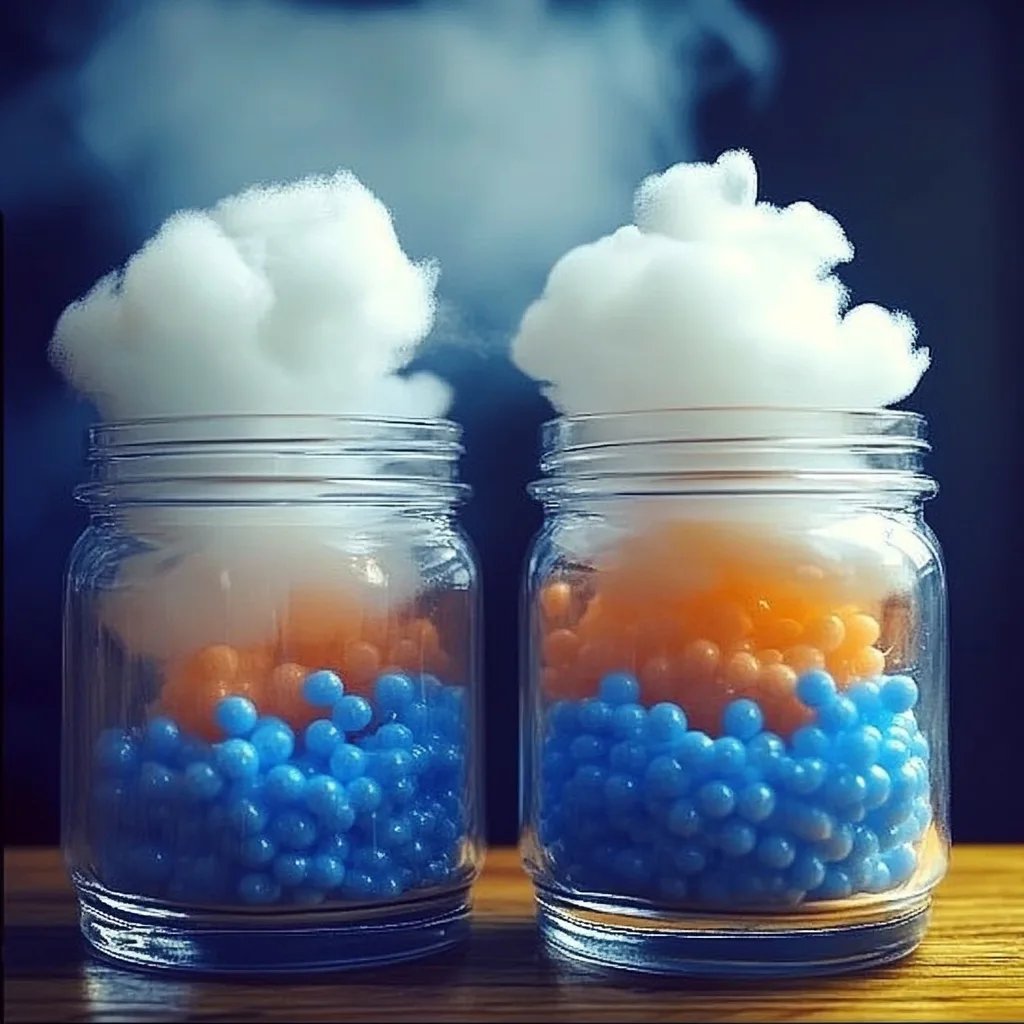
Hello fellow crafters and science enthusiasts! Today, I'm excited to take you on a delightful journey through one of my favorite DIY projects: the Mini Rain Cloud Science Experiment in a Jar. As someone who is always seeking fun yet educational activities, I can confidently say that this charming experiment not only engages creative minds but also teaches valuable lessons about weather patterns and the water cycle. Whether you’re a teacher looking for a classroom activity, a parent hoping to entertain your kids on a rainy day, or simply an adult wanting to relive your childhood curiosity, this experiment is perfect for you!
Why This Project is Popular
The Mini Rain Cloud Experiment has gained quite a bit of popularity in recent years, and it’s easy to see why. This project is simple, visually captivating, and incredibly satisfying to watch—especially as you see your “cloud” release colorful rain into the jar! It's also a wonderful opportunity to discuss science concepts like evaporation, condensation, and precipitation with curious minds of all ages.
When and How to Use It
This experiment is perfect for all occasions—be it a rainy day indoors, a fun weekend science project, or even a summer camp activity. You can customize it based on age groups, making it an excellent choice for classrooms or playdates. Plus, the materials are inexpensive and usually found in your home, making it accessible for everyone.
With that said, let’s gather our materials and get started!
What You'll Need
Materials
- A Clear Jar: A glass jar or a clear plastic container (I prefer glass for the aesthetic but ensure safety with children).
- Shaving Cream: The fluffy kind works best—this simulates the cloud.
- Food Coloring: Two or three of your favorite colors (I recommend blue and yellow for a bright effect!).
- Warm Water: To fill your jar about halfway.
- Dropper or Spoon: For adding your colored rain.
- Small Bowl: For mixing colors, if you’re feeling creative.
Tools & Safety
Clear any fragile items off your crafting surface, especially if you’re using glass jars. Since we’re working with water and food coloring, I recommend having some paper towels handy to quickly clean up any spills. A smock or old apron is optional but may save your clothes!
Step-by-Step Tutorial
Step 1: Prepare Your Jar
Begin by filling your clear jar about halfway with warm water. This represents the atmosphere in which your “cloud” will form. Using warm water can help with evaporation and works better for this experiment.
Why This Matters:
A good amount of water ensures that you have enough space for cloud formation and the subsequent colorful “rain” to fall.
Step 2: Create Your Cloud
Next, it’s time to create the cloud using shaving cream! Shake the canister gently, and then, holding it upside down over the jar, squirt a generous dollop of shaving cream on top of the water. Aim for something that looks like a fluffy cloud.
What Could Go Wrong:
If you don’t add enough shaving cream, you won't achieve that voluminous cloud effect. Conversely, too much cream may make it difficult for the "rain" to penetrate. Aim for a nice fluffy dome that sits above the water surface.
Step 3: Prepare the “Rain”
Now for the fun part—let’s mix our “rain”! In your small bowl, add a few drops of food coloring to warm water. If you’re using different colors, mix them in separate bowls. Don’t be afraid to get creative—mix blue and yellow to make green, or stick with classic blue for a stormy sky!
Tip:
If you want more vibrant rain, increase the number of food coloring drops. If the colors are too dark, dilute them with a bit of extra water.
Step 4: Create Your Rainfall
Using your dropper or spoon, slowly drizzle your colored water over the cloud you created earlier. Watch carefully as the colored mixture interacts with the shaving cream. The colors will start to seep through the cloud, simulating rain falling from the clouds.
Why This Matters:
Drizzling slowly helps you observe how the food coloring reacts with the shaving cream. You may notice the cloud “letting go” of the colored water, which is exactly the phenomenon you want to replicate!
Step 5: Observe and Discuss
After you’ve added the rain, take a moment to observe what’s happening in the jar. Watch how the colored rainwater trickles down into the clear water below, creating beautiful swirls and patterns.
Personal Anecdote:
When I first did this experiment with my kids, their faces lit up in wonder as they saw the colorful rain begin to fall. It became a joyful conversation starter about where real rain comes from and how the water cycle works.
Troubleshooting Common Issues
If your colored water doesn’t seem to be seeping through the cloud, you may not have used enough food coloring. Try adding more slowly. If it’s not mixing well, it could be too thick—either add more warm water to your colored mix or use a little less shaving cream next time.
Creative Variations
Once you feel confident with your basic Mini Rain Cloud, why not try some creative twists?
- Color Rainbows: Use multiple colors to create a rainbow effect. Allow each color to settle for a few seconds before adding the next for a mesmerizing layered look.
- Layering with Glitter: Add some glitter to the jar before you begin. It can represent the particles in the atmosphere and make your experiment even more magical!
- Themed Experiments: Create clouds that represent different weather conditions. For instance, add white cotton for fluffy sunny clouds or dark blue for stormy weather.
Conclusion
I hope you enjoyed creating your DIY Mini Rain Cloud Science Experiment in a Jar as much as I did! This project is not just a feast for the eyes but a beautiful way to explore scientific concepts with those you love or inspire students in the classroom.
Remember, the key is to have fun and let your creativity flow, just like the rain! Don’t forget to share your creations and any variations you tried—I would love to hear about your sunny and rainy adventures in crafting!
So grab your materials, gather your curious minds, and let’s make it rain! Happy crafting and experimenting!