DIY Gliding Foam Airplanes: An Incredible Ultimate Project for Kids
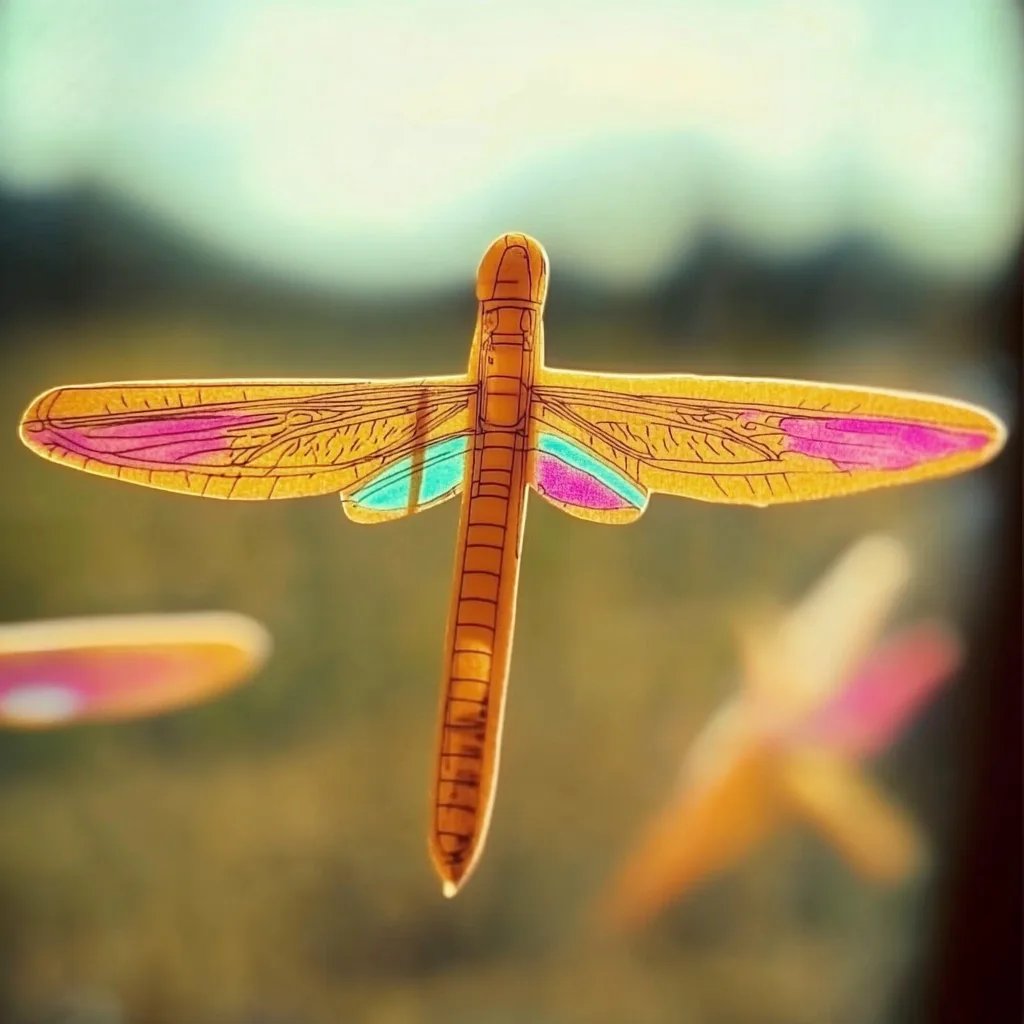
DIY gliding foam airplanes provide an amazing opportunity for kids to explore the world of flight while engaging in hands-on creativity. Building these lightweight aircraft fosters not just fun but also learning about aerodynamics and physics. With just a few materials and easy-to-follow steps, you can create a project that will have your kids soaring through the skies — right in your backyard or at the park!
Making foam airplanes can be an exciting bonding activity for parents and children alike. Whether you’re planning an outdoor playdate or a small family gathering, these gliding airplanes are perfect for thrilling entertainment. They aren't just toys but a gateway to understanding concepts such as lift, drag, and thrust. As your children craft their planes, they can learn valuable lessons about problem-solving and patience while enhancing their motor skills.
In this article, we will guide you through why DIY gliding foam airplanes are perfect for kids. You'll also discover the preparation and time needed for this fun project, and get a comprehensive list of materials. To top it all off, we offer step-by-step instructions to help you craft these amazing flying machines. So, let’s dive into this incredible DIY adventure!
Why You’ll Love This DIY Project
DIY gliding foam airplanes are not only fun but packed with benefits that both children and parents can appreciate. Here's what makes this project so special:
- Educational Value: Understanding the principles of flight opens up a world of knowledge in science and engineering.
- Enhanced Creativity: Children can customize their planes with colors, designs, and unique shapes.
- Easy to Assemble: No complex tools or professional skills are required, making it accessible for kids of all ages.
- Promotes Outdoor Play: Encourages physical activity and social interaction, helping kids to engage with their environment.
- Affordable Materials: Foam sheets and basic craft supplies are inexpensive and can be found at most craft stores.
- Satisfying Reward: Watching their creations glide through the air brings a sense of accomplishment.
These aspects are what make DIY gliding foam airplanes an engaging and rewarding project for everyone involved. Let’s not wait any longer — dive into the preparation and cooking time!
Preparation and Cooking Time
Creating your own DIY gliding foam airplanes can typically be completed in around 1 to 2 hours. Here's a quick breakdown of the time you may expect to spend:
- Preparation Time: 30 minutes to gather materials and set up your workspace.
- Assembly Time: 30 minutes to build the airplanes.
- Testing and Tweaking: 15-30 minutes to test the airplanes and make any adjustments.
These times vary depending on factors such as the complexity of designs and the skill level of the child. However, this guideline should help you plan what to expect during this creative project!
Ingredients
- Foam sheets (various colors)
- Scissors
- Craft knife (parent supervision recommended)
- Ruler
- Pencil or marker
- White school glue or hot glue gun
- Tape (optional for added stability)
- Decorative items (stickers, paints, etc. for customization)
Step-by-Step Instructions
Follow these steps to create your own DIY gliding foam airplanes:
- Select Materials: Choose your preferred colors of foam sheets and gather your supplies.
- Design Template: Use a ruler and pencil to sketch the airplane on a foam sheet. A simple glider shape often works best.
- Cut Out Shapes: Carefully cut out the airplane shapes using scissors. If necessary, use a craft knife for more intricate parts.
- Construct Fuselage: Create the body of the airplane by gluing different sections together using craft glue. Allow drying time between pieces.
- Add Wings: Cut out wing shapes from another sheet of foam. Attach them symmetrically on either side of the fuselage.
- Customize: Encourage kids to personalize their airplanes with stickers, paint, or other decorative items.
- Test Flights: Once complete, take the airplanes outside for testing. Adjust the wings or body if needed for better flight.
- Fly and Compete: Have fun launching your airplanes! See whose can glide the farthest or perform the best tricks.
Taking these steps will ensure a successful and enjoyable experience making DIY gliding foam airplanes.
How to Serve
To create the best experience with your DIY gliding foam airplanes, consider these tips on how to present and enjoy your creations:
- Outdoor Launch Zone: Choose an open area free from obstacles where kids can safely launch their airplanes.
- Friendly Competitions: Organize fun challenges such as distance contests or accuracy tests to engage their competitive spirits.
- Team Building: Pair kids together, allowing them to help each other with designs and flight techniques.
- Document the Fun: Capture moments with photos or videos to create lasting memories of this fun activity.
- Post-Activity Snacks: After the flying fun, enjoy some refreshments together to share highlights and laughs.
Following these ideas will enhance their enjoyment of this incredible DIY project, making it not just a craft, but a joyful experience for all!
Additional Tips
- Encourage Teamwork: Let kids work in pairs or small groups. Collaborating fosters teamwork and enhances creativity.
- Test Different Designs: Experiment with various wing shapes and sizes to see how they affect flight.
- Use Wind: Take advantage of windy days for longer flights. It adds excitement as they see how the planes perform.
- Document Progress: Have kids draw their planes before and after and note any changes for a mini science project.
- Safety First: Ensure an adult supervises during cutting to keep the environment safe.
Recipe Variation
You can customize your DIY gliding foam airplanes! Here are some fun variations to try:
- Color Themes: Choose specific colors for all planes to create a themed flying session, like a team color day.
- Shape Variations: Try making different types of aircraft like rockets or gliders with varying wing designs.
- Size Differences: Create small and large planes to see how size influences flight distance and stability.
Freezing and Storage
While DIY gliding foam airplanes are meant for immediate play, storing them wisely is important.
- Storage: Keep finished airplanes in a safe, dry space to avoid damage. Store them upright to maintain their shapes.
- Repairing: If a plane becomes damaged, repair it with glue or tape. This makes them last longer for countless flights.
Special Equipment
To successfully create your DIY gliding foam airplanes, gather the following supplies:
- High-quality foam sheets in various colors
- Sharp scissors and craft knife (for adult supervision)
- Ruler for measuring and ensuring symmetry
- Markers or crayons for detailed design work
- White school glue or a hot glue gun for solid bonding
- Clear tape for quick fixes or added stability
Frequently Asked Questions
What age is appropriate for making DIY gliding foam airplanes?
Kids aged 5 and above can participate, but younger children may need help.
Can we make bigger planes?
Certainly! Just adjust the foam sheet size and wing dimensions for larger designs.
How can we ensure our planes fly well?
Experiment with adjustments to wing angles and weight distribution for optimal flight.
Is it possible to reuse materials?
Yes! If planes are damaged, consider deconstructing them and reusing foam for new designs.
How far can we expect them to fly?
Flight distance varies but testing different designs can lead to surprising results. Make it a fun challenge!
Conclusion
Creating DIY gliding foam airplanes is a rewarding project that combines creativity, learning, and outdoor fun. This engaging activity enhances understanding of flight principles, fosters imagination, and encourages teamwork. As families come together to build and customize these foam airplanes, they also create lasting memories. So gather your materials, follow the simple instructions, and get ready to watch your kids experience the joy of flight!